Series· 2021· 50m
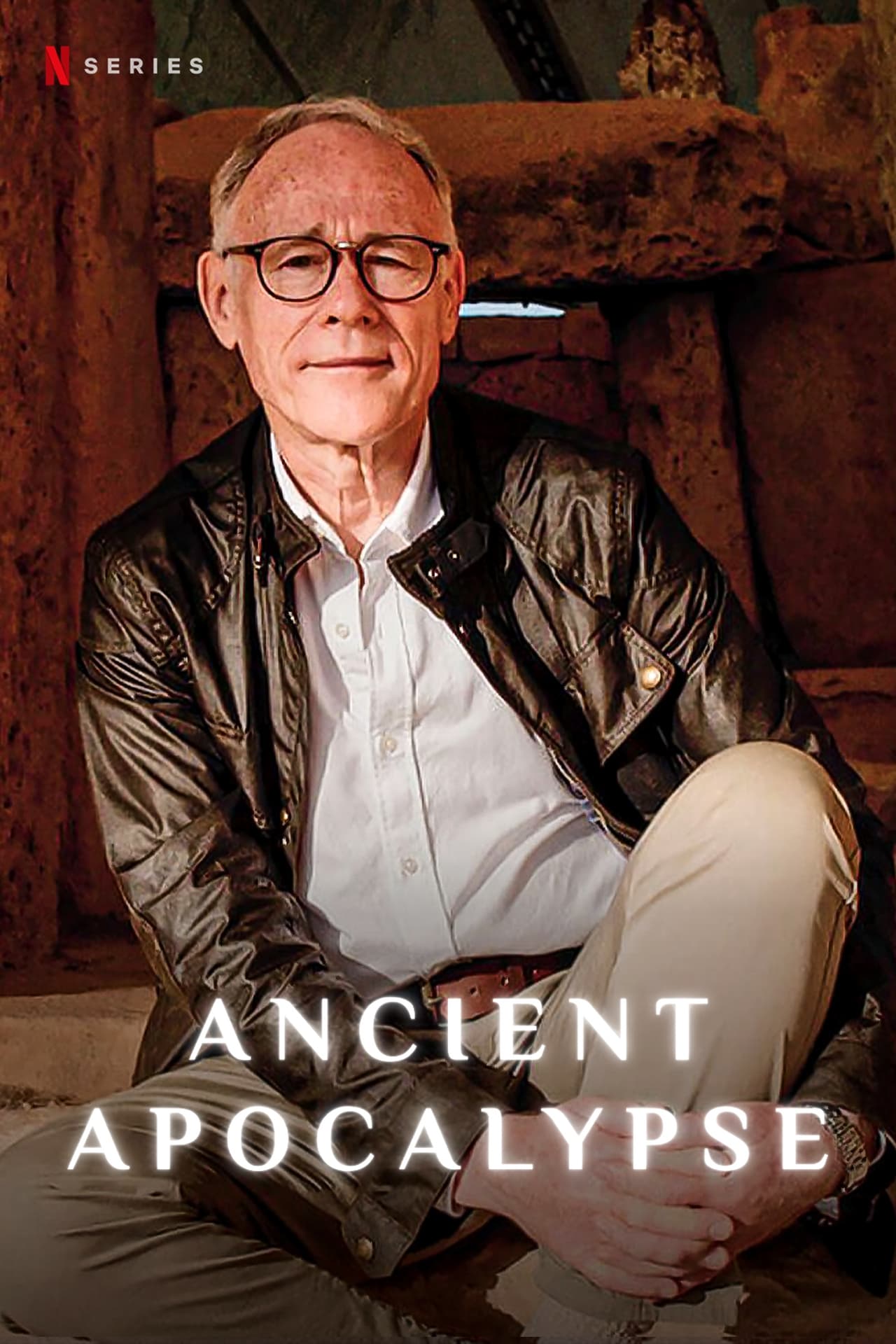
Ancient Apocalypse
★7.3IMDbDocumentary
Ancient Apocalypse is not currently streaming in India. It is available on The Roku Channel in other regions.
- Creators:
- Nicky Traversin, Justin Rickette, Patrick Dickinson, Kim Lask
Ancient Apocalypse is a 2021 German documentary series created by Nicky Traversin, Justin Rickette, Patrick Dickinson and Kim Lask. It spans 3 seasons and 15 episodes. It holds an IMDb rating of 7.3.
Synopsis
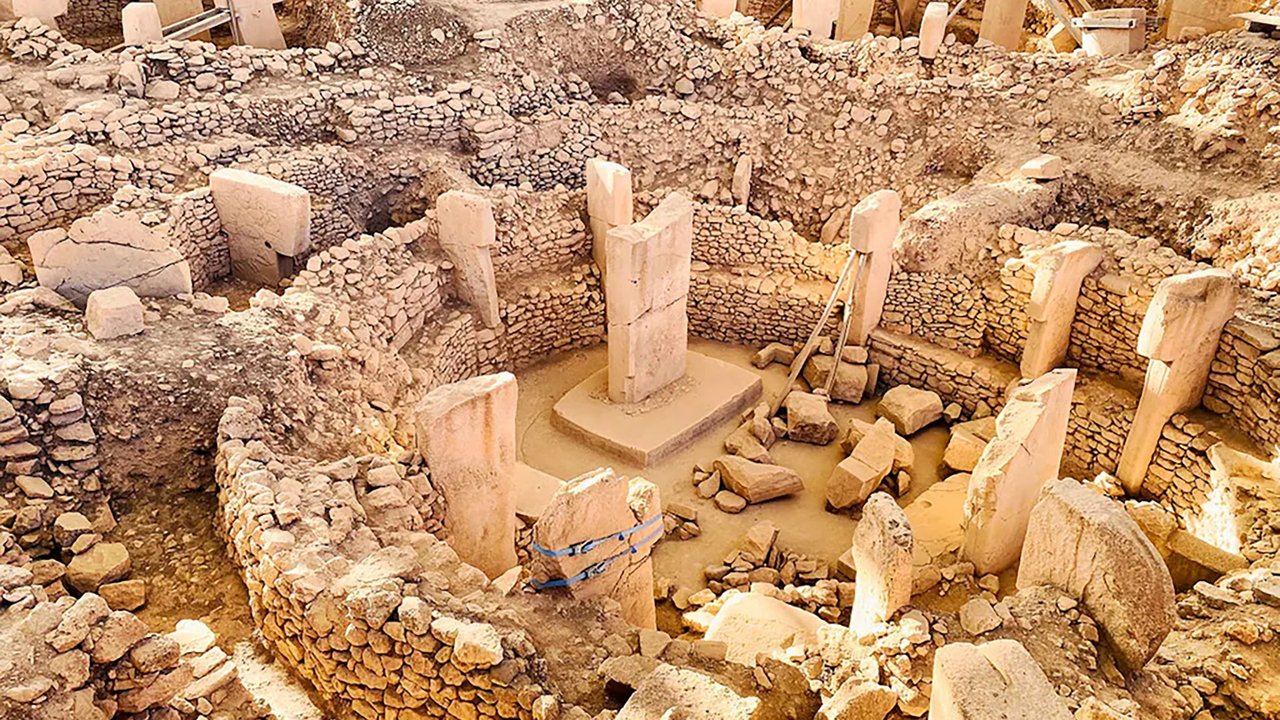
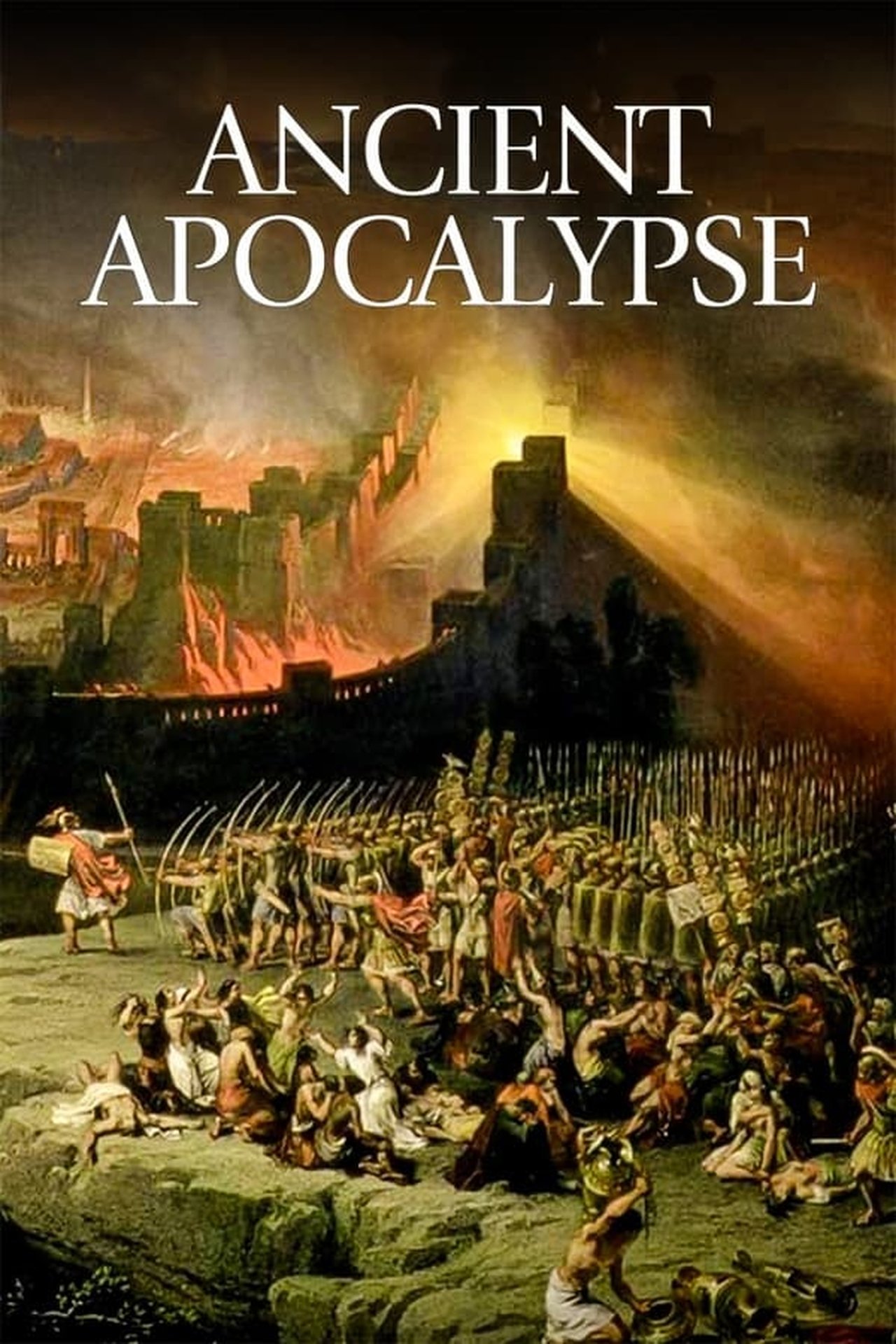
Ancient Apocalypse investigates six catastrophic stories of how the world’s greatest civilisations collapsed. Every continent has its ruins — places where only stones tell the tale of a fallen people. They might lay buried under the Earth, in the shade of jungle canopy or amidst the teeming industry of a modern city. However, they all raise the same questions: How could something so great all but vanish? Why do civilisations collapse? In this 6-part series, we uncover the scientific reasons why some of history’s most fascinating peoples have disappeared in the face of the natural world’s might. We investigate the end of The Akkadian Empire, The Lost City of Helike, Sodom and Gomorrha, The mystery of the Sea Peoples, The Maya Civilisation and Doggerland. Some of the world’s greatest natural disasters reduced these societies to nothing.
Currently airing
Last aired
S3 · E3Episode 3
Seasons
Season 320253 episodes
Season 32025
3 episodes- No stillE1Episode 1· 45m
- No stillE2Episode 2· 45m
- No stillE3Episode 3· 45m
 Season 220236 episodes
Season 22023
6 episodes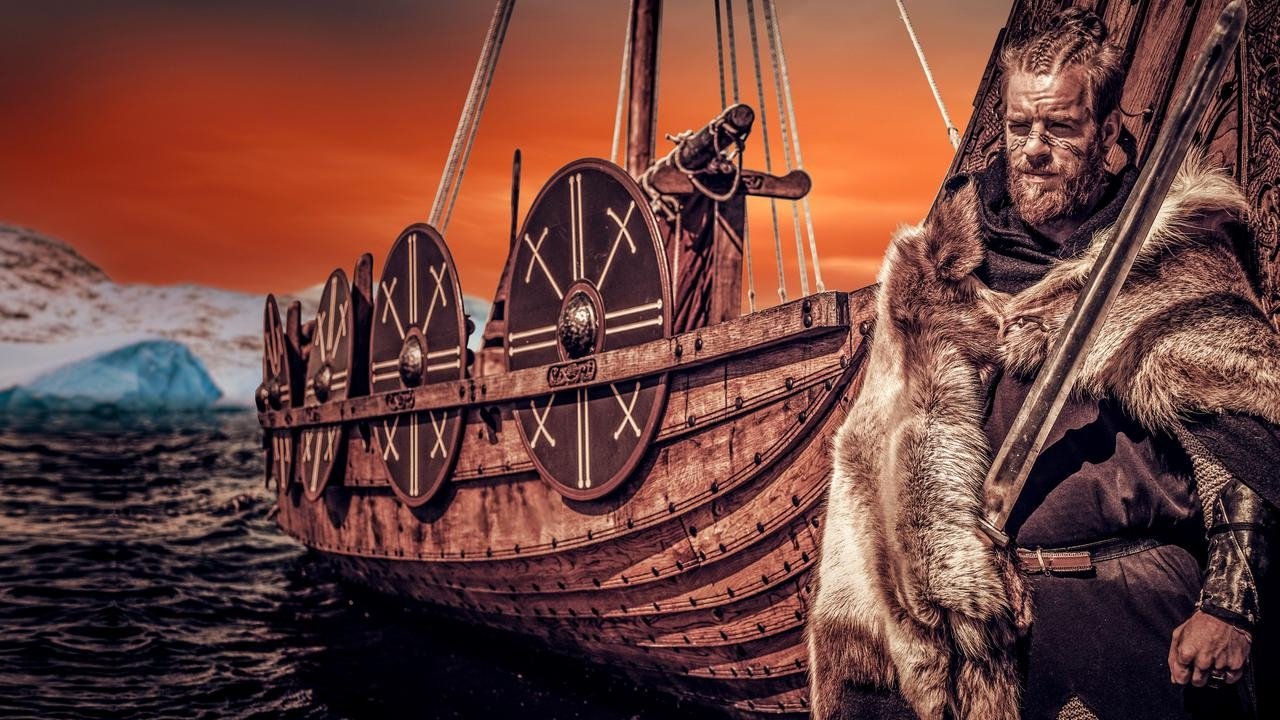 E1The Minoans· 50m
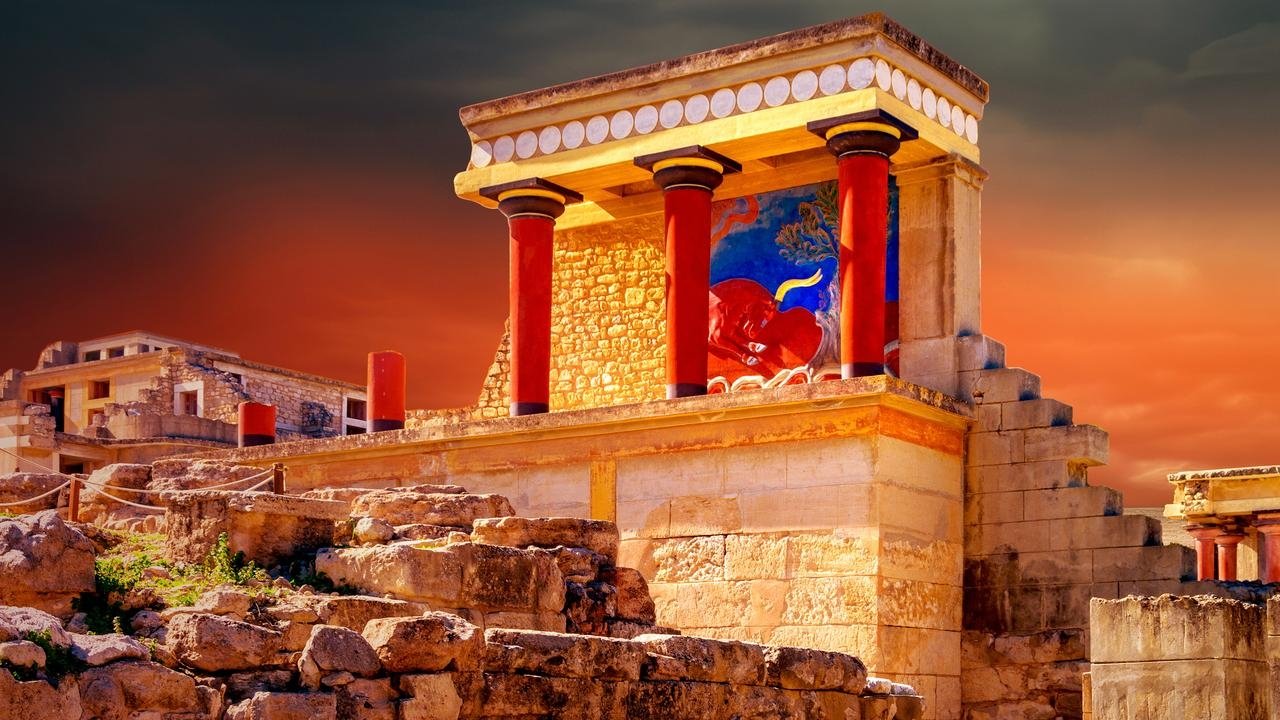
The Minoans, considered by many as the first European civilisation, flourished in the islands of the Aegean in the 3rd and 2nd millennia BCE before eventually disappearing around 1100 BC. A sophisticated people, both artistically and technologically, they are described as the first literate society in Europe, having left behind an unmatched legacy of unique art and architecture, incredible labyrinth-like palace complexes and fine artefacts. Their mercantile culture led to their presiding over a vast trade network and the grandeur of their civilisation is immortalised in the myth of King Minos and the Minotaur trapped beneath his palace at Knossos. But despite an extended period of cultural growth, Minoan civilisation is abruptly ended around 1550 BC as a result of a powerful explosive event.
 E2The Rapa Nui· 50m
Hundreds of years ago, sea-faring people called the Rapa Nui flourished on a small island at the easternmost edge of the Polynesian Islands – the Easter Island. When Europeans explorers first arrived in 1722, they found a tropical paradise, a land safeguarded by mysterious stone figures known as the moai. Hundreds of these statues dot the land to this day, facing inwards on the island, as if protecting its people. Scholars and archaeologists have spent centuries sifting through discoveries, trying to solve the mystery of the Rapa Nui. They soon discovered that the outbreak of a major conflict had devastating effects for the population on the Easter Island. Suddenly after, the Rapa Nui further succumbed to a series of deadly events that saw the entire social order of the island collapse and their culture, lost to history.
 E3The Aztecs· 50m
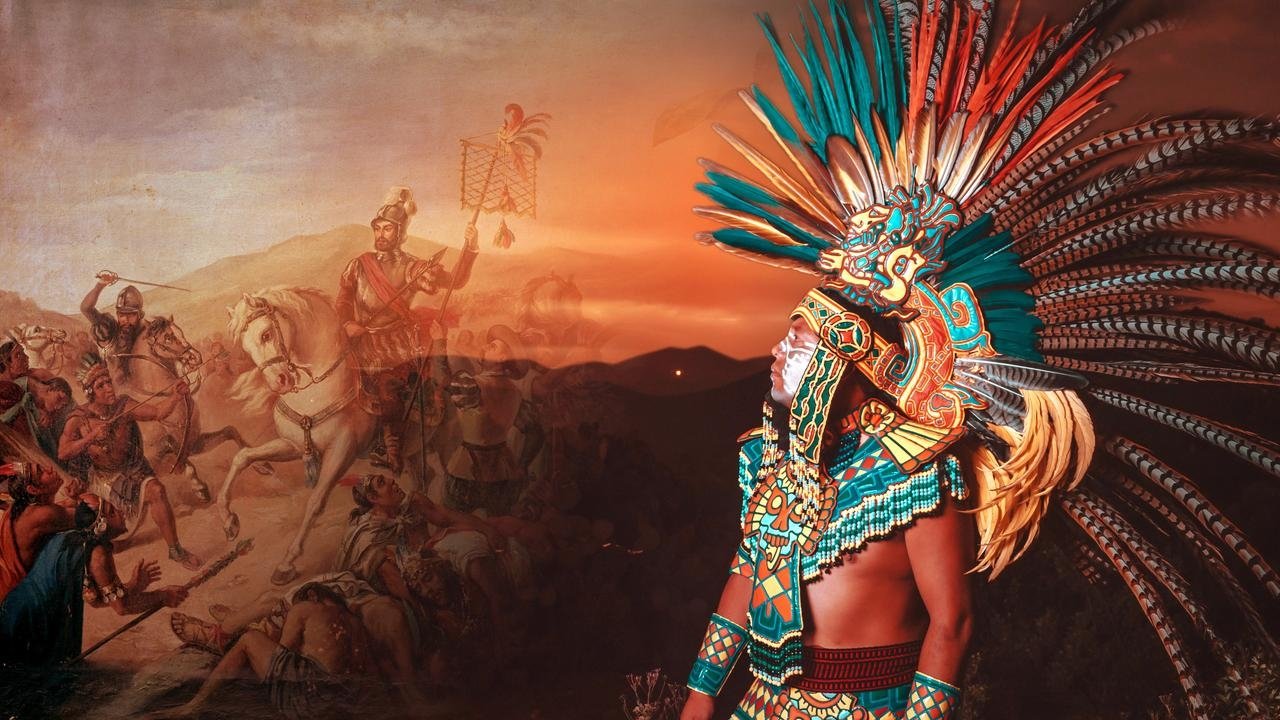
The Aztec Empire was the last great civilisation and dominant power of Mesoamerica in the 15th and 16th centuries. By the time the Spanish arrived in 1519, the Aztecs had built an empire covering an area of about 200km2. Its capital city of Tenochtitlan was a huge trading centre and it supported up to 140,000 people, making it the largest city in the Pre-Columbian Americas. Underpinning this empire was its military power of conscripted adult males. Aztec cities boasted temples, palaces and artwork displaying devotion to many gods. They developed sophisticated writing systems, calendars, and a religion that required human sacrifice. Yet their powerful empire would soon be decimated by their encounters with European colonisers and their demise does not just lie in the technological advantages their conquerors had against them.
 E4The Moche· 50m
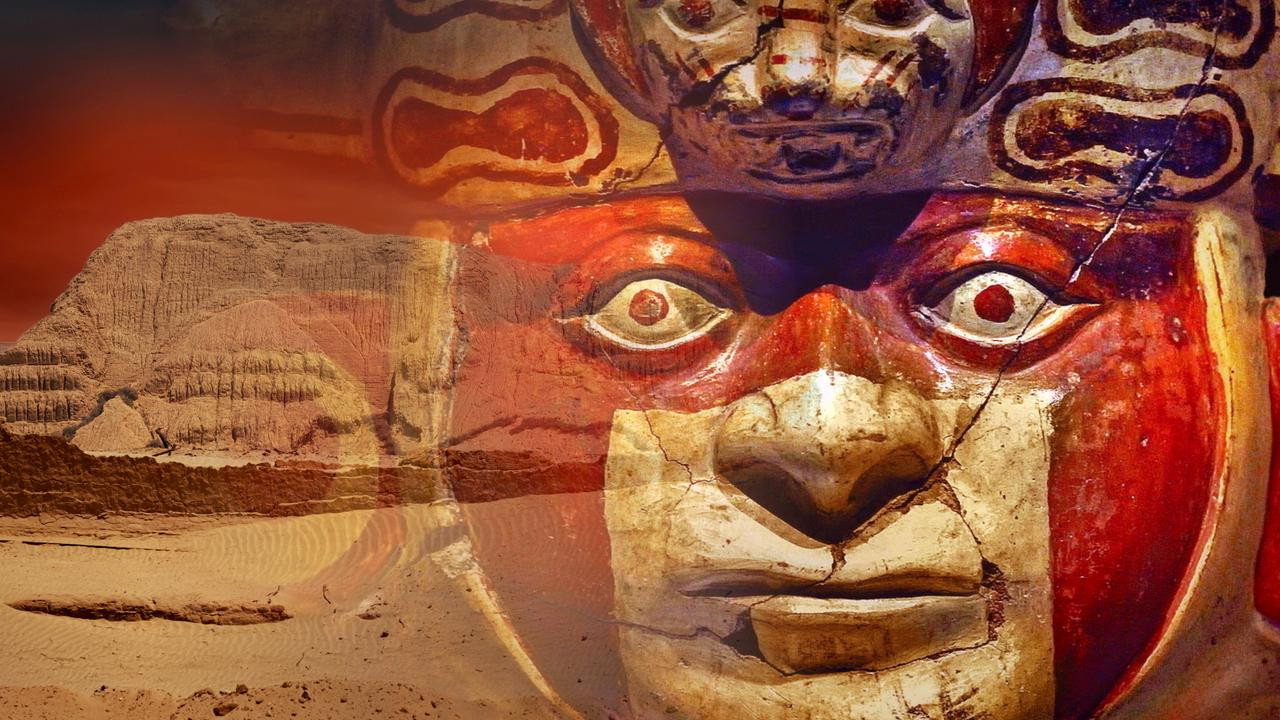
The Moche flourished in a narrow strip between the Pacific Ocean and the Andres mountains of Peru for 650 years (100-750 AD). Sometimes referred to as the 'Greeks of the Andes', the Moche may have founded the first South American state. Their culture was contemporary with the Nazca civilisation but through conquest and expansion they were able to accumulate the wealth and power necessary to become the most important pre-Incan culture. Despite desert conditions, they created a prosperous agricultural civilisation: their engineers building canals up to 32 km long to irrigate the land. Their temples and monuments include enormous pyramid mounds which dominate the landscape to this day. But their society is short-lived and around the 6th century AD, the Moche succumb to a series of disasters that lead to the end of their culture.
 E5The Greenland Vikings· 50m
Led by Erik the Red, in 985 AD, an initial wave of Vikings from Scandinavia establish two successful outposts along the fjords of Southern Greenland – the ‘Eastern’ and ‘Western’ settlements. Numbering around 4,000 at their peak, they construct manor house and work the harsh terrain, to make it suitable for their European pastoralist life. They raise sheep, goats, and cattle; they trade furs, walrus-tusk ivory, and other arctic goods with Europe. For hundreds of years, they hold a quasi-monopoly on the European ivory trade, and almost all of it comes from walruses hunted by the Norsemen in Greenland. However, despite their commercial success, the Norse suddenly and mysteriously disappear from historical record at the start of the 15th century. The fate of the Norse will continue to bewilder archaeologists for centuries to come.
 E6The Khmer· 50m
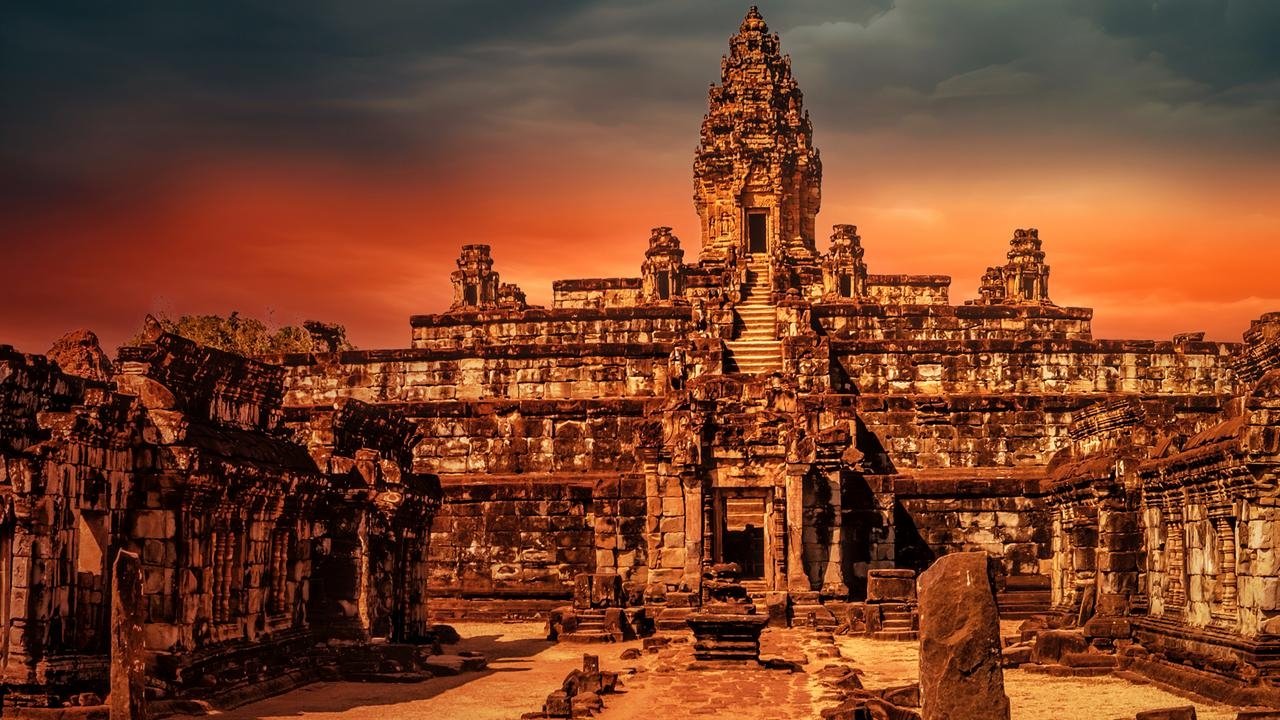
Founded at the beginning of the 9th century CE, the Khmer Empire had been one of the most powerful states in Southeast Asia, covering much of Cambodia, Thailand, Laos, and Southern Vietnam. The jewel in the crown was the capital city of the Khmer – Angkor – containing the largest religious structure ever built, Angkor Wat. The key to this growth was the Khmer mastery of rice cultivation and water management. Khmer cities were ‘hydraulic cities’, made up of complex systems of canals and reservoirs called ‘barays’, which steered water from the Khulen mountains to the plains of Angkor, ensuring a year-round supply for the population, agriculture, and livestock. Soon, however, the very factors that allowed the empire to rise lead to the abandonment of the Khmer’s magnificent temple-cities and their reclaim by the rainforest.
 Season 120216 episodes
Season 12021
6 episodes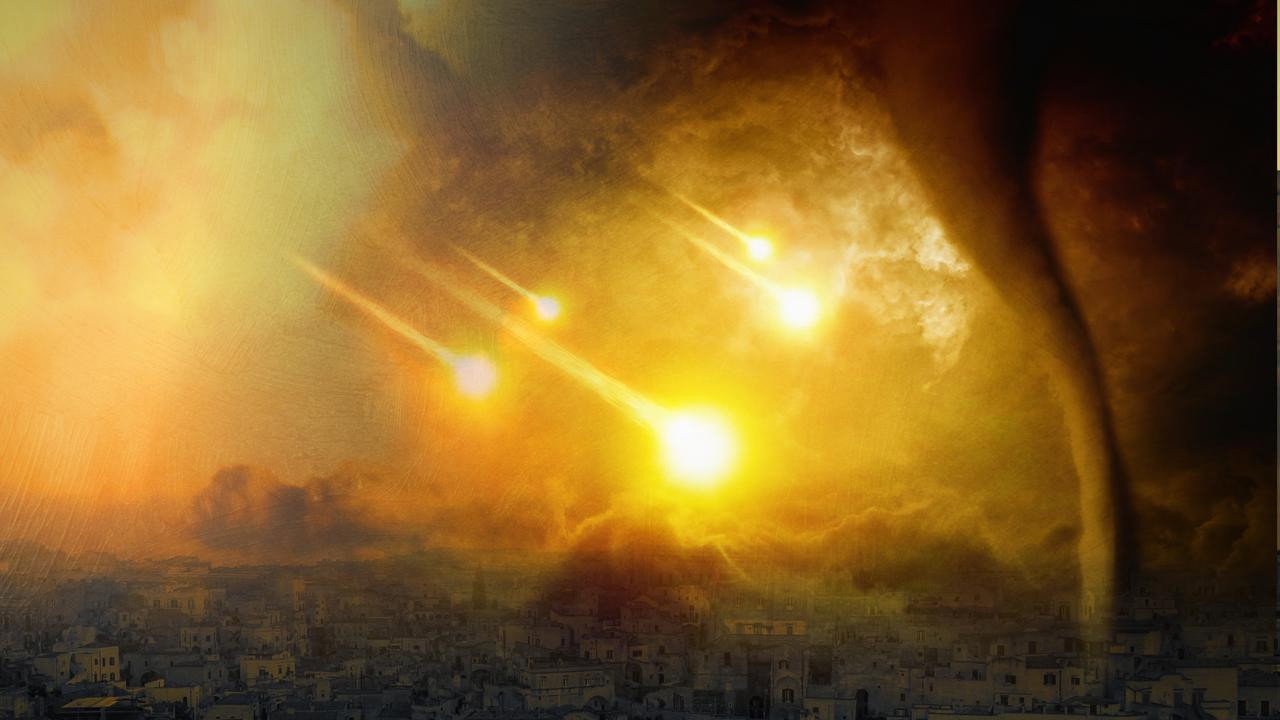 E1Sodom and Gomorrah· 50m
The biblical story of Sodom. It’s stood for thousands of years as a powerful lesson of the perils of wickedness. According to the Bible, the men of Sodom were so wicked that God destroyed the city in a shower of fire and brimstone. But did the city of Sodom ever exist and could it be possible to locate? At Tall el-Hammam, in modern day Jordan, archaeologists have uncovered evidence of a once thriving bronze age city, destroyed by some cataclysmic event, that they believe is the city of Sodom.
 E2Doggerland· 50m
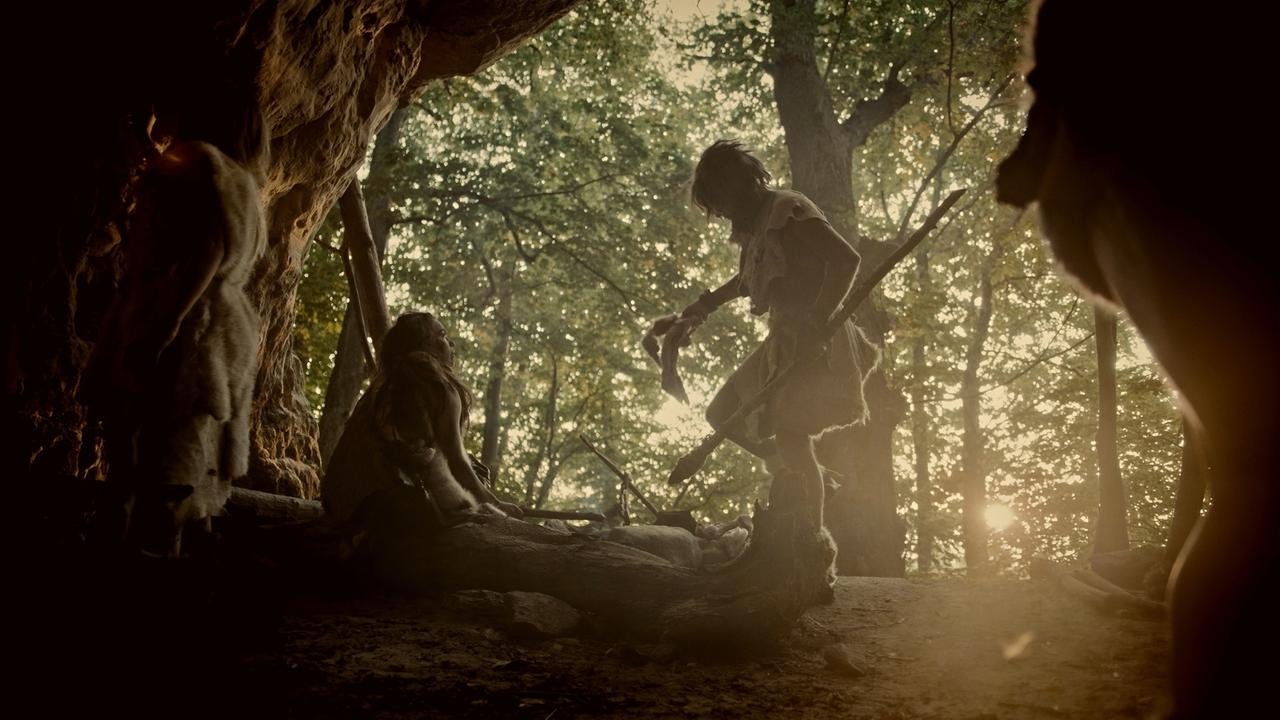
Eight thousand years ago, a lush paradise, home to mammoth, deer, and societies of hunter-gatherers connected Britain and mainland Europe - Doggerland. But this stone age Eden no longer exists. It was wiped out by a single devastating event, leaving it hidden beneath the waves of the North Sea for nearly 8,000 years. Slowly archaeology is revealing what life would have been like in this mesolithic paradise. But also how these people struggled to survive as their world was lost beneath the waves.
 E3The Lost City of Helike· 50m
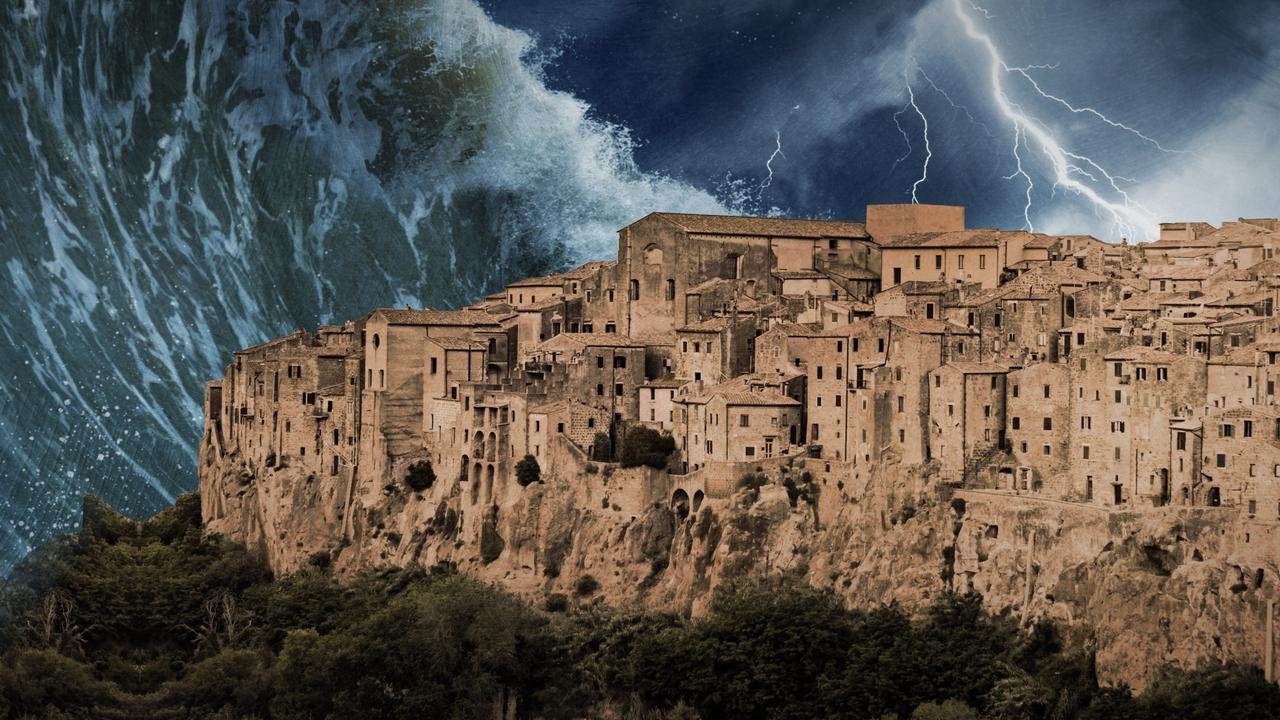
In 373 BCE the classical Greek city of Helike disappeared beneath the waves. Its destruction was so catastrophic that the only way the Greek authors could make sense of it was to blame it on the supernatural - Poseidon destroyed the city. It’s hauntingly similar to the myth of another Ancient civilization lost beneath the waves - Atlantis. Helike’s location is one of the greatest mysteries in archaeology, but could it be possible to rediscover the lost city and could Helike actually be Atlantis?
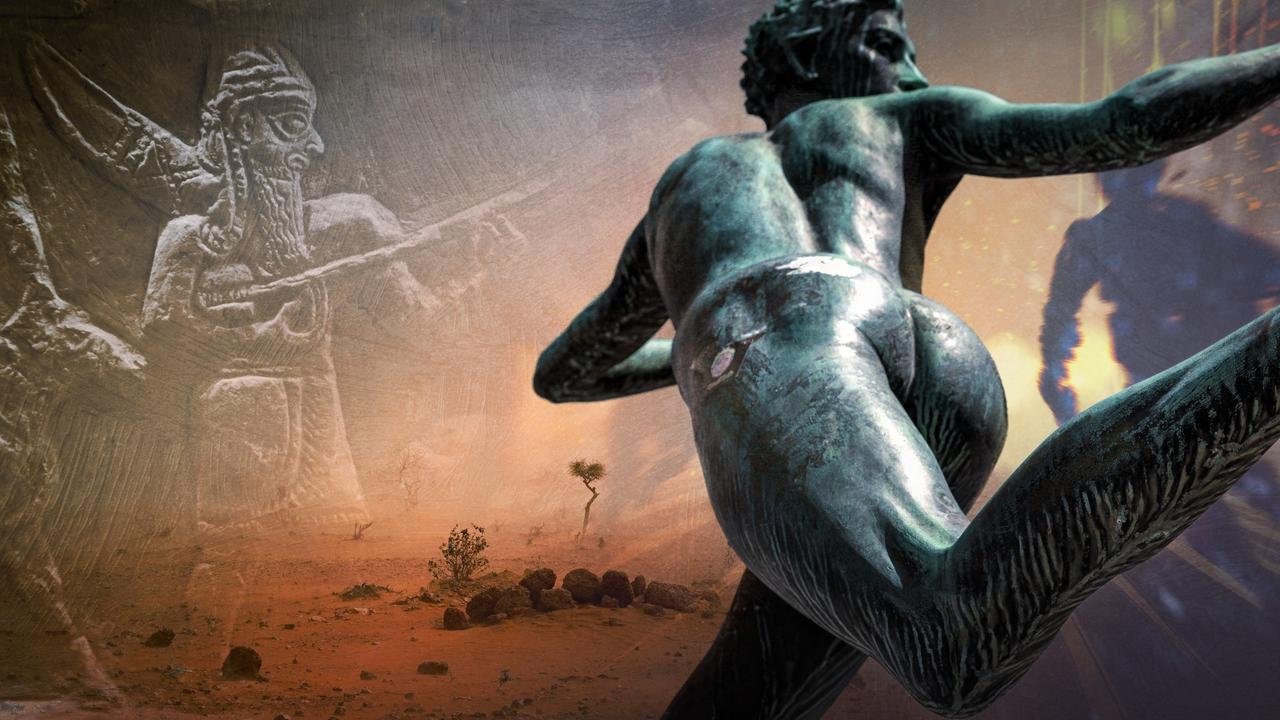 E4Akkadian Empire· 50m
In 2334 BCE the Akkadians conquered and united the Sumerian city state kingdoms to create the world’s first empire. The Akkadian’s ruled over much of Mesopotamia, what is now modern day Iraq, Syria and Turkey, but after only 140 years the Akkadian Empire fractured. Entire regions of Mesopotamia descended into chaos and the Akkadian Empire’s very existence was lost to history. Now archaeologists scour the Middle East searching for information about how they became so powerful and why they collapsed.
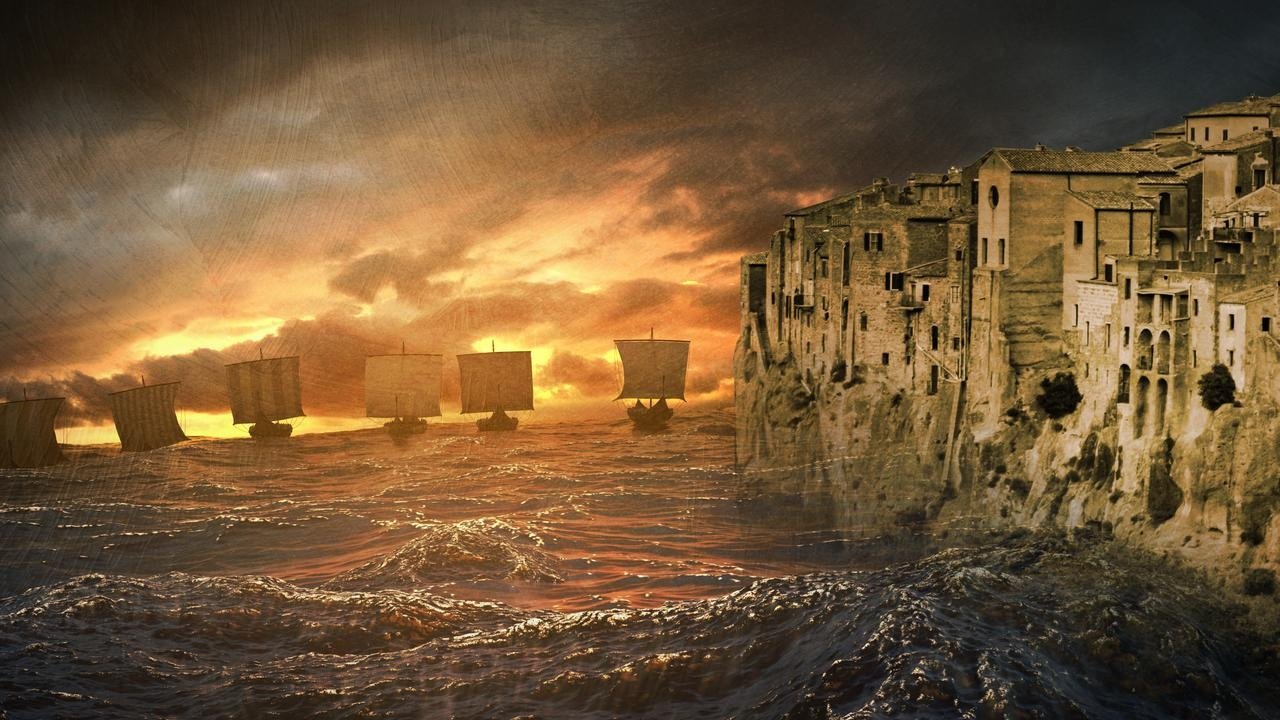 E5The Mystery of the Sea People· 50m
In modern day Egypt, Syria, Turkey and Greece some of the greatest Bronze Age Civilizations rose to power. The Hittite Empire, the Mycenaeans, the all powerful Egyptian Empire. But in 1,200 BCE they imploded and the Bronze Age period of history collapsed. What, or who, was to blame? Evidence from across this region point to wave after wave of marauders invading from the sea right at the point the Bronze Age Collapse occurred. They’ve become known as the Sea People. Could they be responsible?
 E6The Maya CivilizationFinale· 50m
Between 250 and 900 CE the Maya civilization built some of the most spectacular cities in history. They perfected mathematics, astronomy, architecture and the calendar. However, there was also a dark side — evidence of human sacrifices and war. But from around 900 CE the Maya’s luck ran out and their great cities were largely abandoned. Were their gods displeased? Archaeologists scour the jungles of Central America looking for clues to help explain the spectacular collapse of the Maya Civilization.
More like this
Movies and shows similar to Ancient Apocalypse — open any to see where it streams in India.






Ancient Apocalypse — frequently asked questions
- Where can I watch Ancient Apocalypse?
- Ancient Apocalypse is not currently streaming in India. It is available on The Roku Channel in other regions.
- Is Ancient Apocalypse available on OTT in India?
- No. Ancient Apocalypse is not part of any Indian OTT platform's streaming catalogue.
- Is Ancient Apocalypse on Netflix?
- No. Ancient Apocalypse is not on Netflix in India, and it is not streaming on any other Indian OTT platform right now.
- Is Ancient Apocalypse on JioHotstar?
- No. Ancient Apocalypse is not on JioHotstar in India, and it is not streaming on any other Indian OTT platform right now.
- Is Ancient Apocalypse on Prime Video?
- No. Ancient Apocalypse is not on Prime Video in India, and it is not streaming on any other Indian OTT platform right now.
- Can I watch Ancient Apocalypse online for free?
- Ancient Apocalypse is not available on any free or subscription service in India at the moment. Beware of pirated "full web series" streams — they are illegal and unsafe.
- How many seasons of Ancient Apocalypse are there?
- Ancient Apocalypse has 3 seasons and 15 episodes.
- When did Ancient Apocalypse first air?
- Ancient Apocalypse first aired on 1 January 2021.