History's Greatest Mysteries
Documentary · Mystery
Cast: Laurence Fishburne
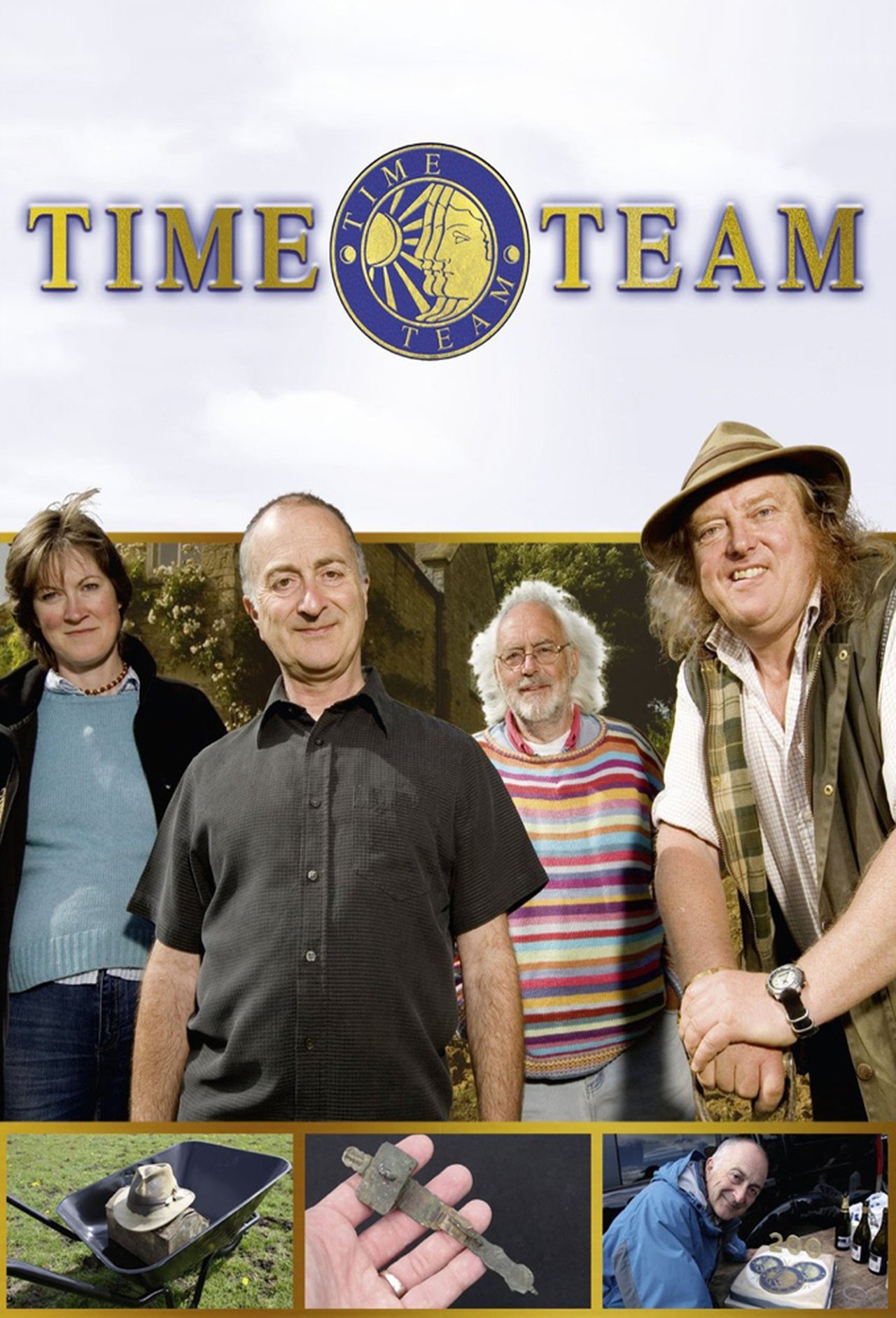
Time Team is streaming on Magellan TV in India.
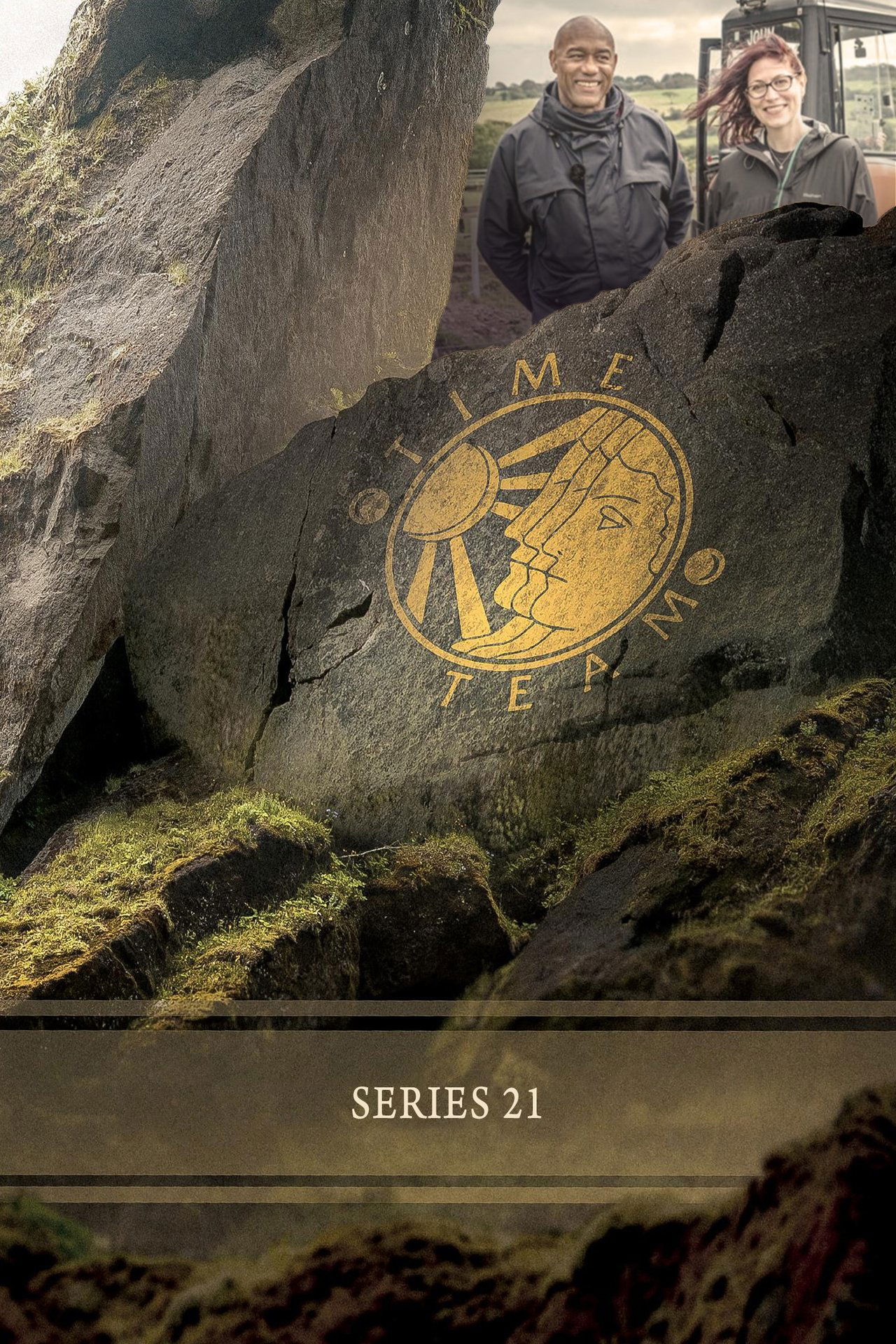
Time Team is a 1994 English documentary series created by Tim Taylor. It spans 21 seasons and 246 episodes. The cast is led by Gus Casely-Hayford, Natalie Haynes and Carenza Lewis. It holds an IMDb rating of 7.3.
Time Team is a British television series which has been aired on British Channel 4 from 1994. Created by television producer Tim Taylor and presented by actor Tony Robinson, each episode featured a team of specialists carrying out an archaeological dig over a period of three days, with Robinson explaining the process in layman's terms. This team of specialists changed throughout the series' run, although has consistently included professional archaeologists such as Mick Aston, Carenza Lewis, Francis Pryor and Phil Harding. The sites excavated over the show's run have ranged in date from the Palaeolithic right through to the Second World War.

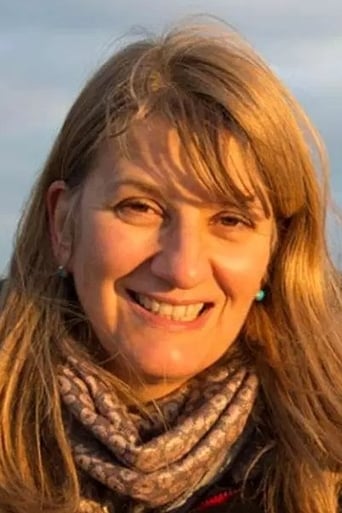
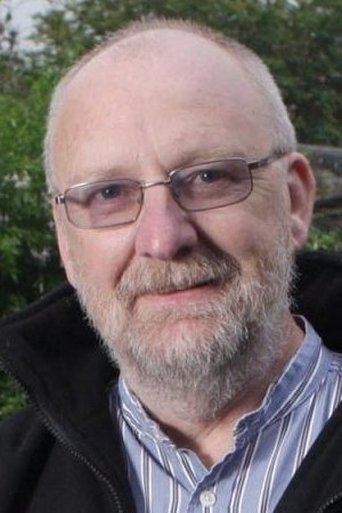
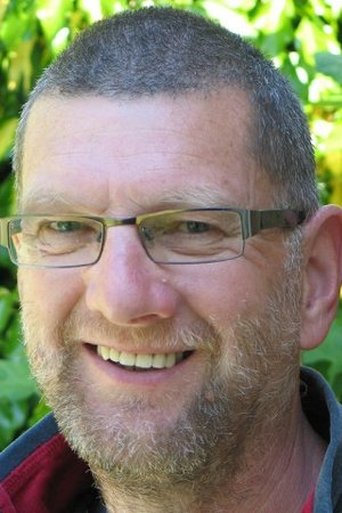
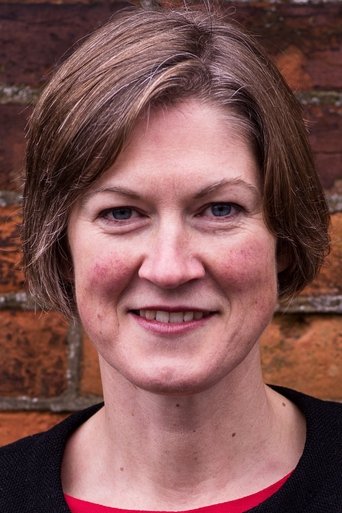
After several years off air, creator Tim Taylor crowd-sourced a new series of the programme, making it available to watch on YouTube for free. While the format was revamped and included new presenters, many popular familiar faces returned, including Carenza Lewis, Helen Geake, Stewart Ainsworth, and John Gator.
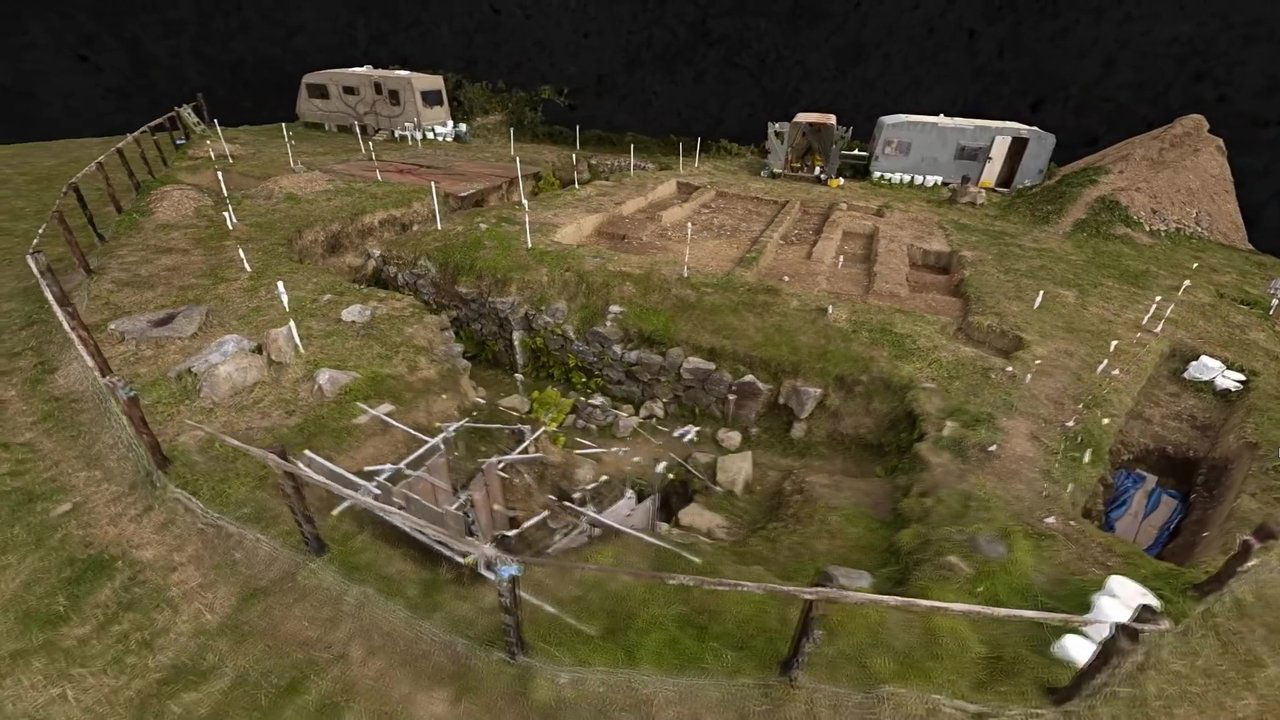
Time Team officially returns for its first brand new episode in a decade. New presenters Dr Gus Casely-Hayford and Natalie Haynes join team members old and new to investigate an Iron Age settlement in Cornwall with mysterious underground passages, known as a fogou. Armed with new technology, and with help from Site Director James Gossip and the Meneage Archaeology Group, Time Team have just three days to shed light on this fascinating prehistoric site on the Lizard Peninsula. Can they do it?

The team's investigation into the Iron Age settlement continues and Natalie tries her hand at making some Bronze Age pottery.
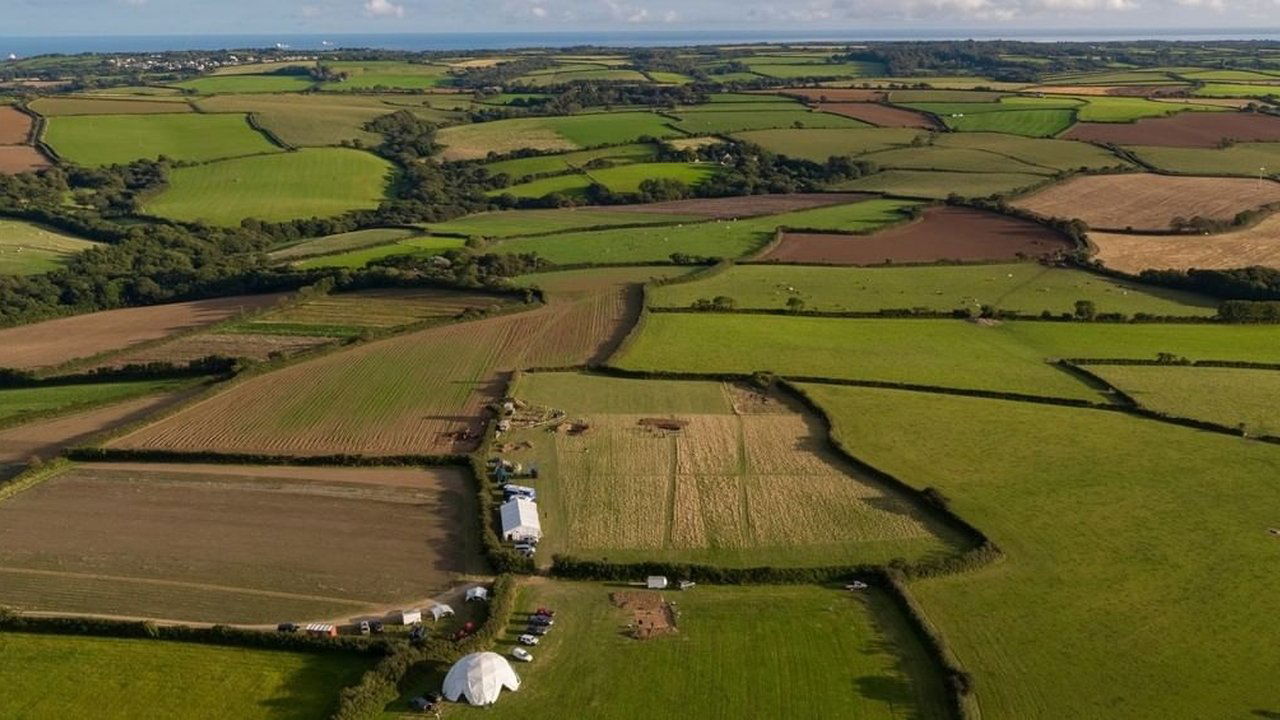
The final day of the Cornish dig and will the team be able to resolve whether they've found a barrow or some other structure? Elsewhere, there is news about Helen's coin and some exciting finds in Matt's Bronze Age roundhouse.
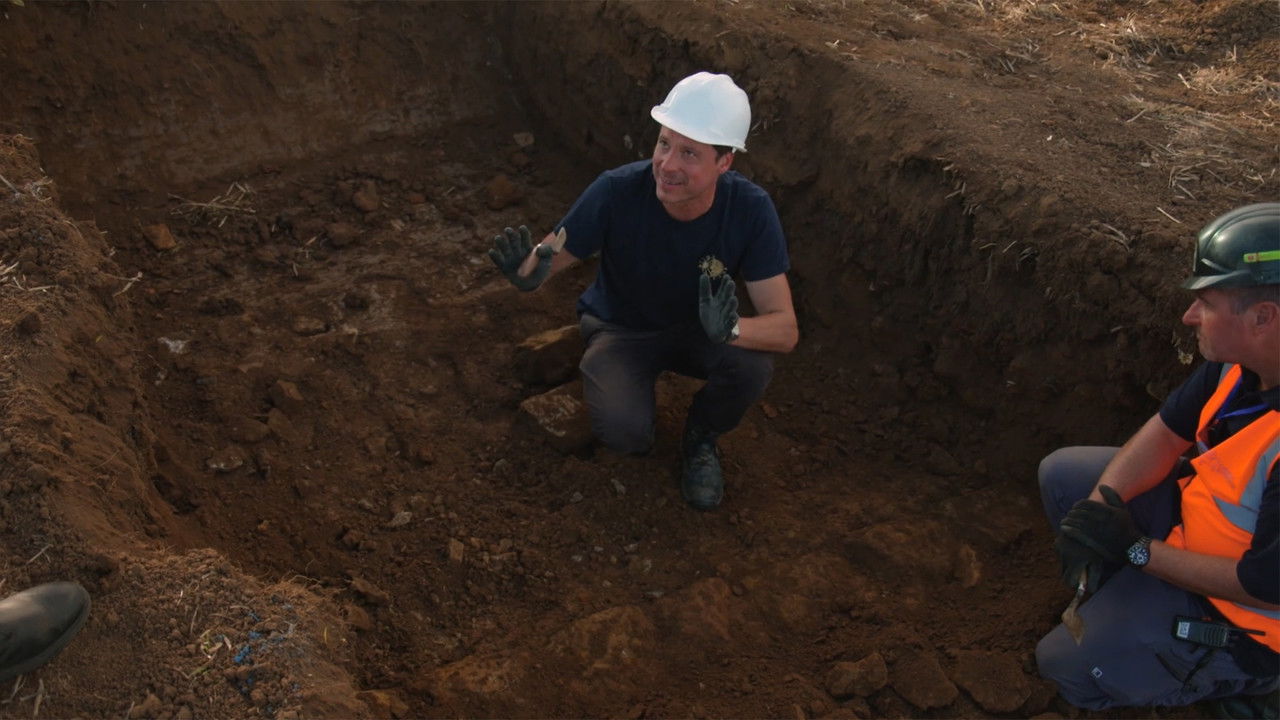
Time Team continues with its second brand new excavation in a decade. New presenters Dr Gus Casely-Hayford and Natalie Haynes join team members old and new to investigate a huge Roman villa on the estate of Broughton Castle in Oxfordshire. Armed with new technology, and with seasoned Site Director Neil Holbrook back at the helm, Time Team have just three days to shed light on this complex site.

Day Two, Matt extends Trench One in hopes of finding the north-west corner of the Roman villa, while the radar results reveal a significant structure in the south-east end.
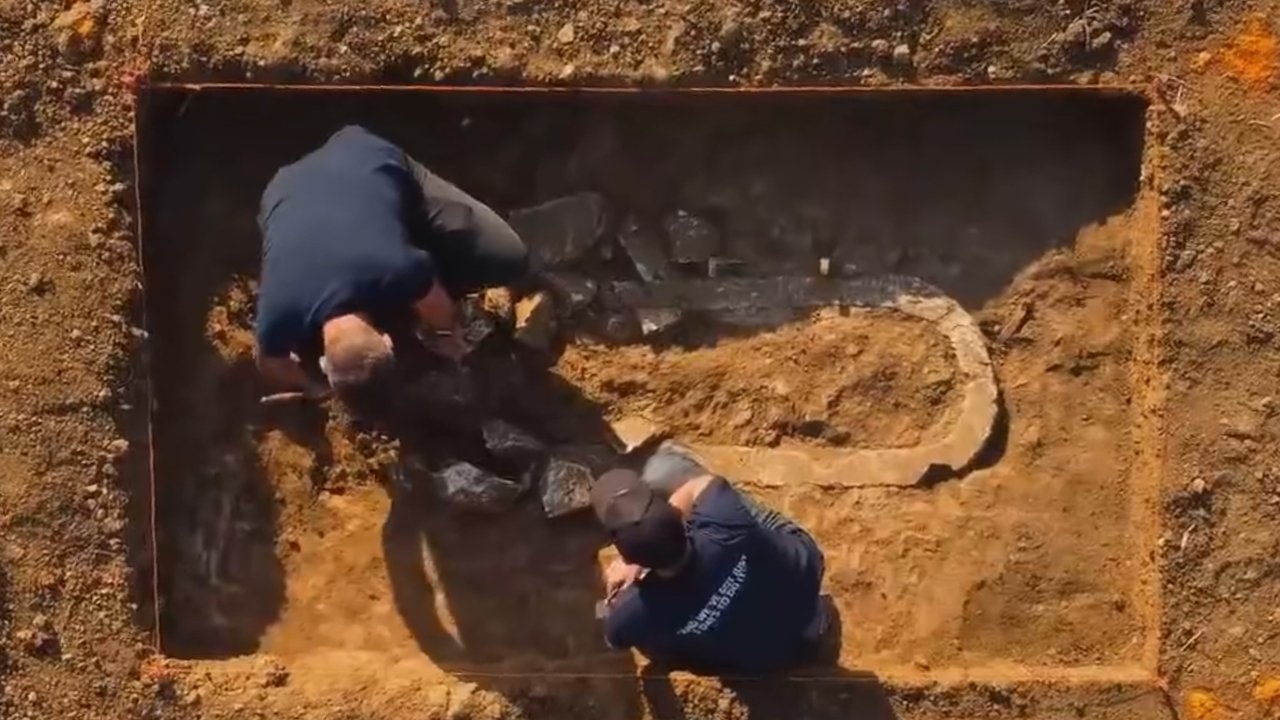
The final day of the dig and the team re-investigate the stone sarcophagus first discovered in the 1960s. Elsewhere on the site, the trench containing the horse's head unearthed on Day Two is expanded.
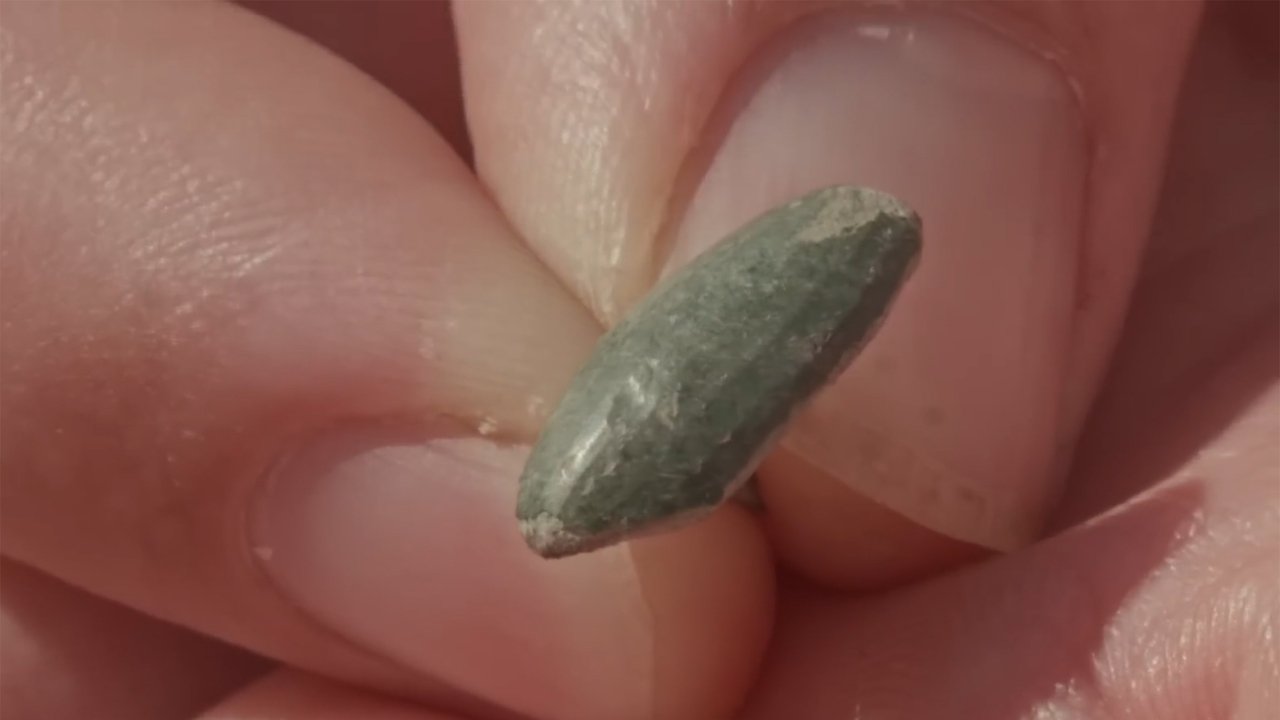
Time Team are at Halston Hall, Shropshire, where Stewart Ainsworth believes he's found a lost Knights Hospitaller preceptory. Is Stewart right? The team have just three days to find out!
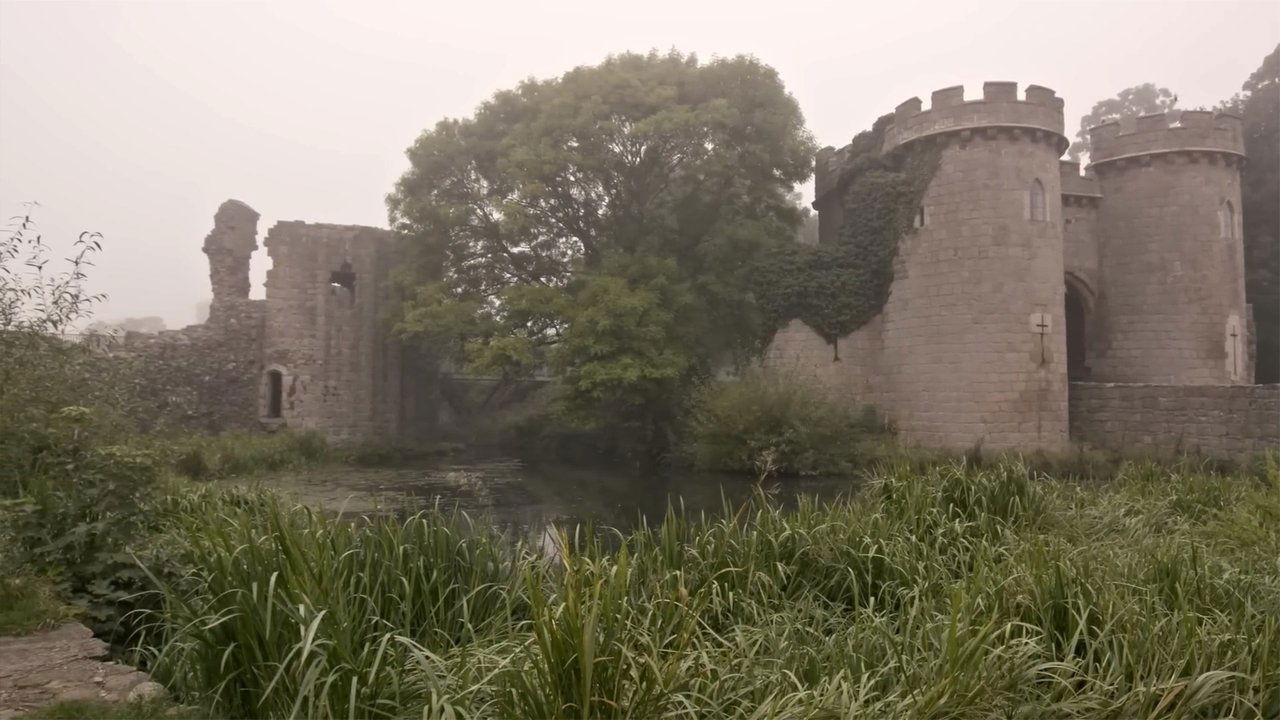
It's Day 2 at Halston Hall, Shropshire, where Time Team are trying to locate a possible Knights Hospitaller preceptory.
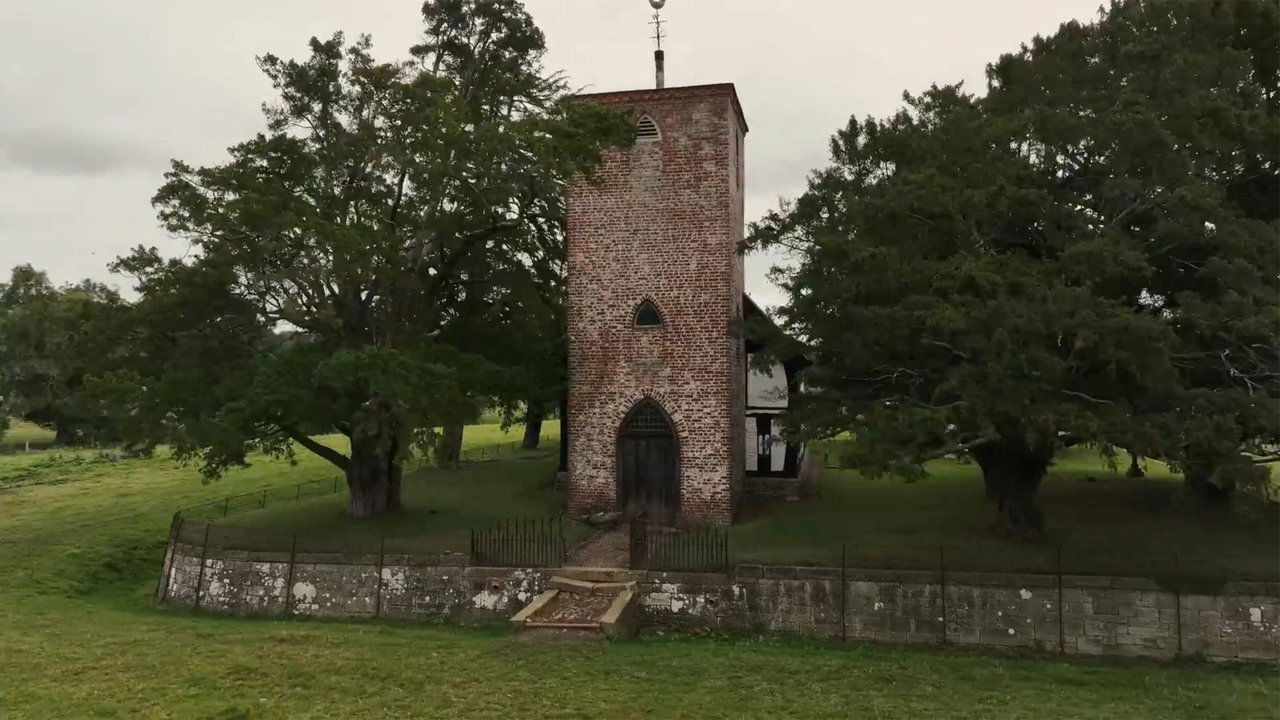
It's the final day at Halston Hall, Shropshire, where Time Team are trying to locate a possible Knights Hospitaller preceptory. Can we make sense of another complex site? Join us to find out!
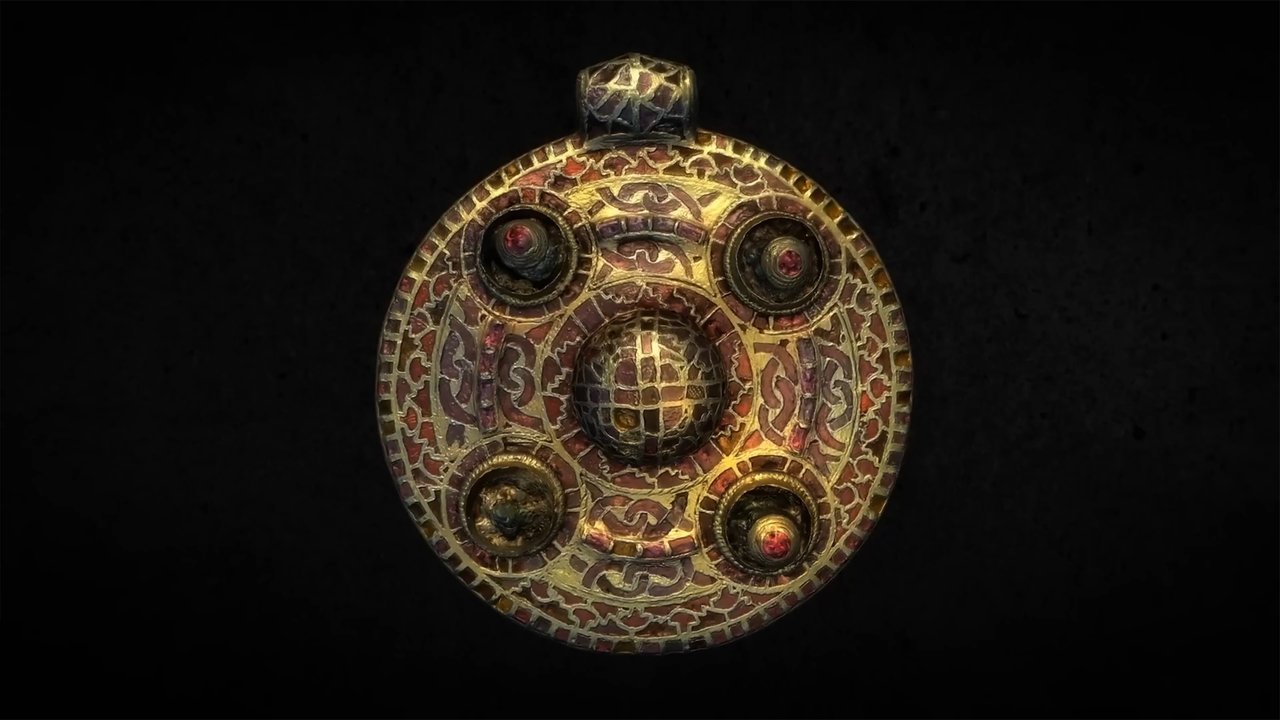
Time Team have been called in by Dr Helen Geake to investigate the site of an early Medieval burial in Norfolk that has unearthed some incredible finds. Can the team relocate the grave and is it the site of a larger cemetery? We have just three days to find out!
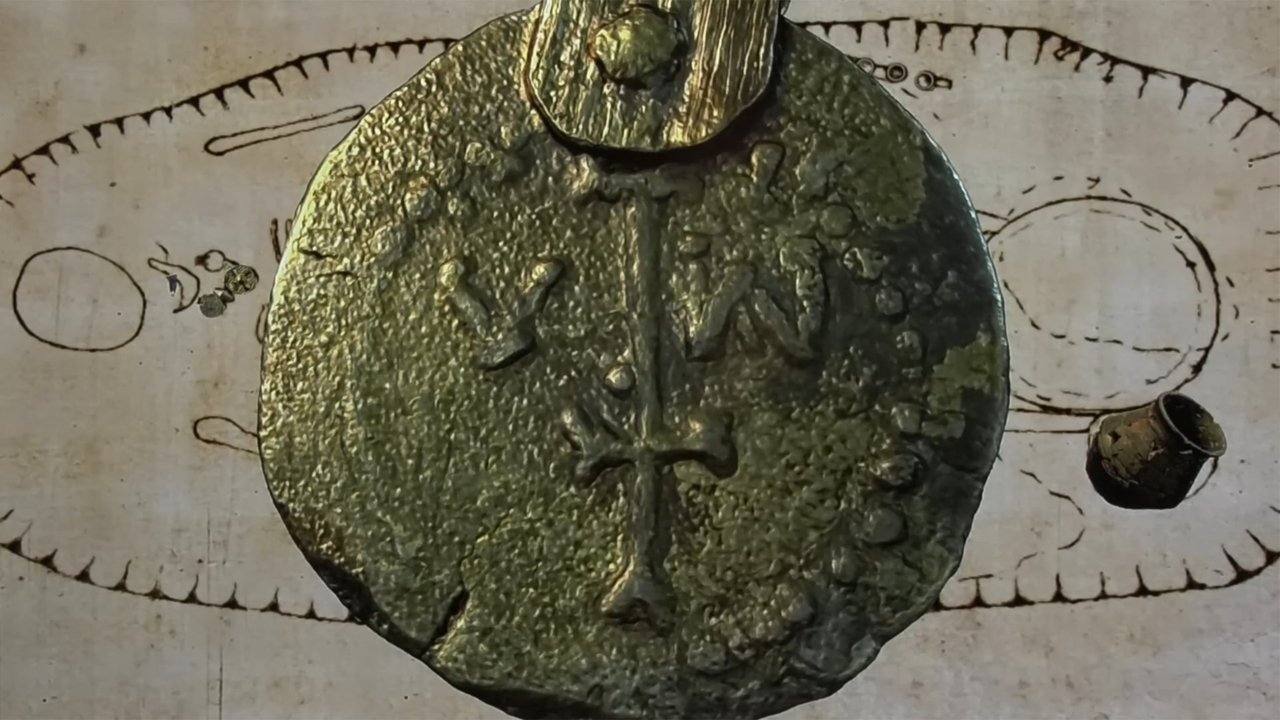
It's Day 2 in Norfolk, and Time Team have been called in by Dr Helen Geake to investigate the site of an early Medieval burial that has unearthed some incredible finds. Can the team relocate the grave and is it the site of a larger cemetery? We have just three days to find out!
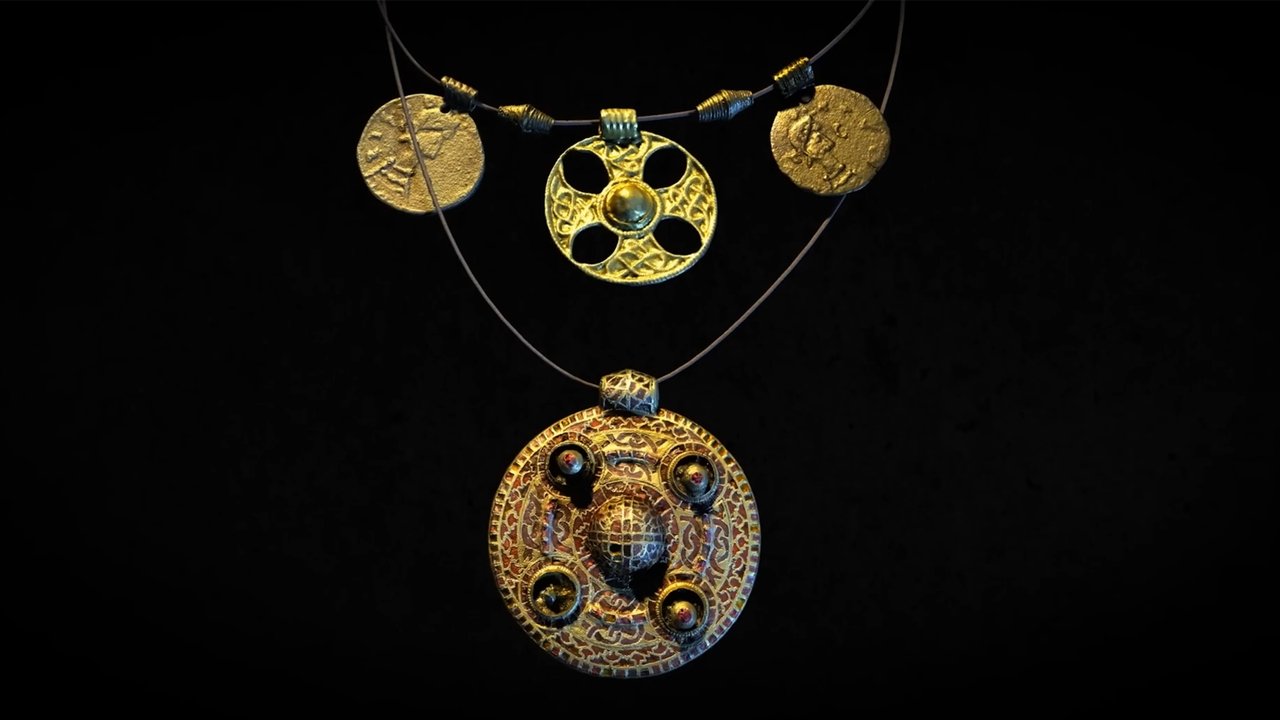
It's our final day in Norfolk, where Time Team have been called in by Dr Helen Geake to investigate the site of an early Medieval burial that has unearthed some incredible finds. Can the team make sense of this intriguing site? We have just one day left to find out!
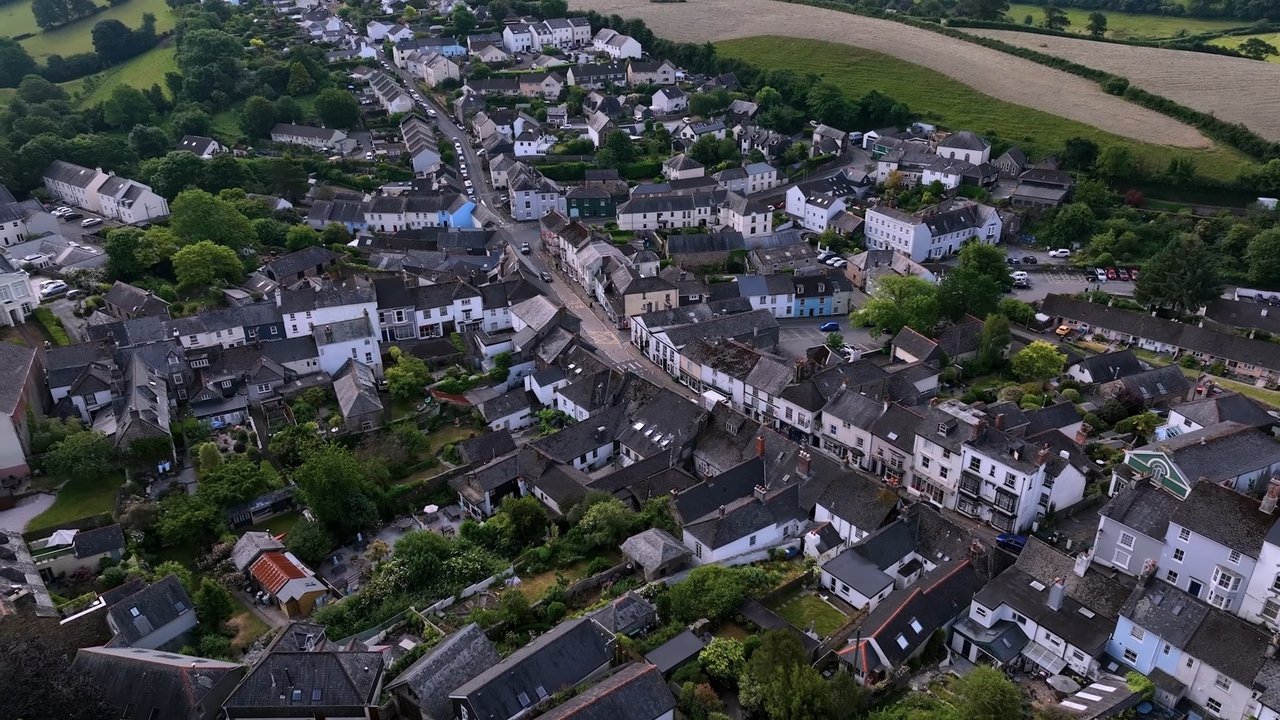
Time Team joins forces with the people of Modbury to uncover their dramatic history. They hunt for clues throughout the town, in attics in living rooms, and under brand new lawns. The team look for for evidence of Civil Wars that raged through the town in the 17th century. Time Team are joined by Jim Stetson, whose family sat at the heart of the community before they left for America to find their fortune making hats. Will they piece together the dramatic ups and downs of Modbury and its fascinating history? They have just three days to do it!
Time Team joins forces with the people of Modbury to uncover their dramatic history. They hunt for clues throughout the town, in attics in living rooms, and under brand new lawns. They're looking for for evidence of Civil Wars that raged through the town in the 17th century. Time Team are joined by Jim Stetson, whose family sat at the heart of the community before they left for America to find their fortune making hats. But will they piece together the dramatic ups and downs of Modbury and its fascinating history? They have just two days left to do it!
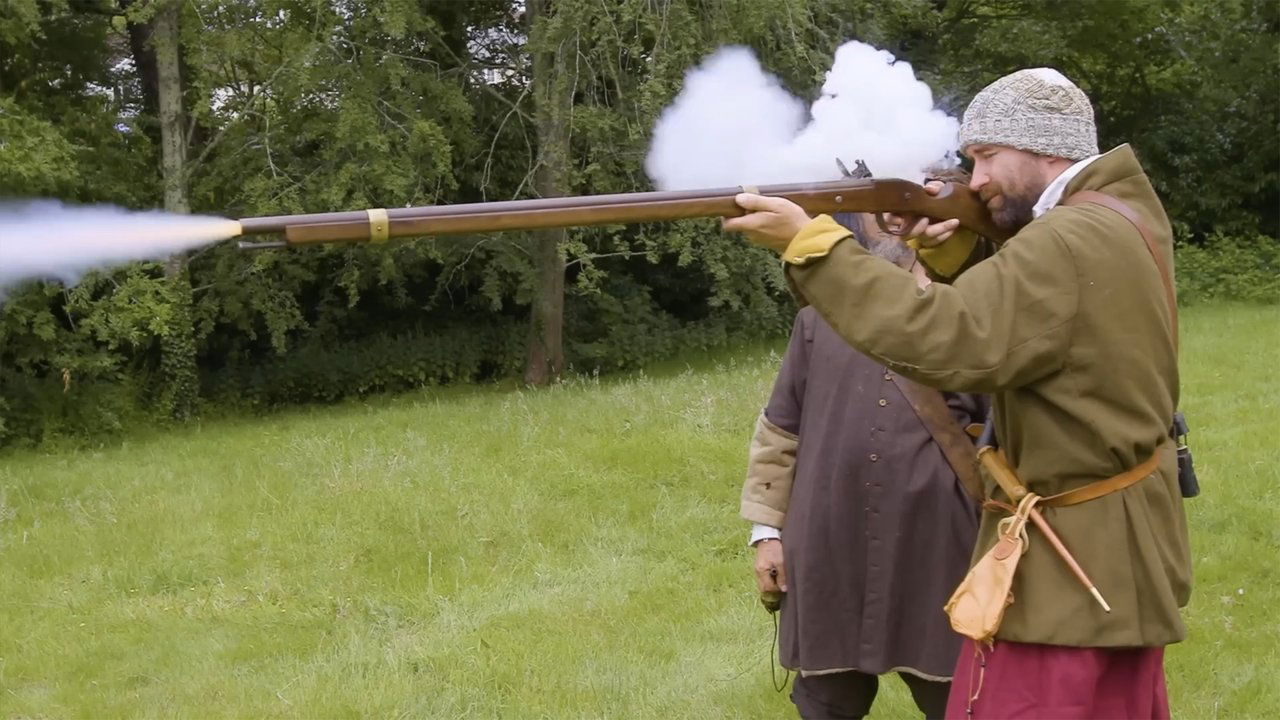
Time Team joins forces with the people of Modbury to uncover their dramatic history. They hunt for clues throughout the town, in attics in living rooms, and under brand new lawns. The team look for for evidence of Civil Wars that raged through the town in the 17th century. Time Team are joined by Jim Stetson, whose family sat at the heart of the community before they left for America to find their fortune making hats. Will they piece together the dramatic ups and downs of Modbury and its fascinating history? They have just one day to do it!
Time Team heads to Wytch Farm, in the shadow of Corfe Castle, Dorset, where Derek and Lawrence discovered two Iron Age burials back in 2021. They've called in the full team to investigate. Was this a cemetery, and how long have people been living here? Where were they living, and, above all, what were their livelihoods? Will we uncover the secrets of Wytch Farm? We have just three days to find out!
It's Day 2 at Wytch Farm, in the shadow of Corfe Castle, Dorset, where Derek and Lawrence discovered two Iron Age burials back in 2021. They've called in the full team to investigate. Was this a cemetery, and how long have people been living here? Where were they living, and, above all, what were their livelihoods?
It's our final day at Wytch Farm, in the shadow of Corfe Castle, Dorset, where Derek and Lawrence discovered two Iron Age burials back in 2021. They've called in the full team to investigate. Was this a cemetery, and how long have people been living here? Where were they living, and, above all, what were their livelihoods?
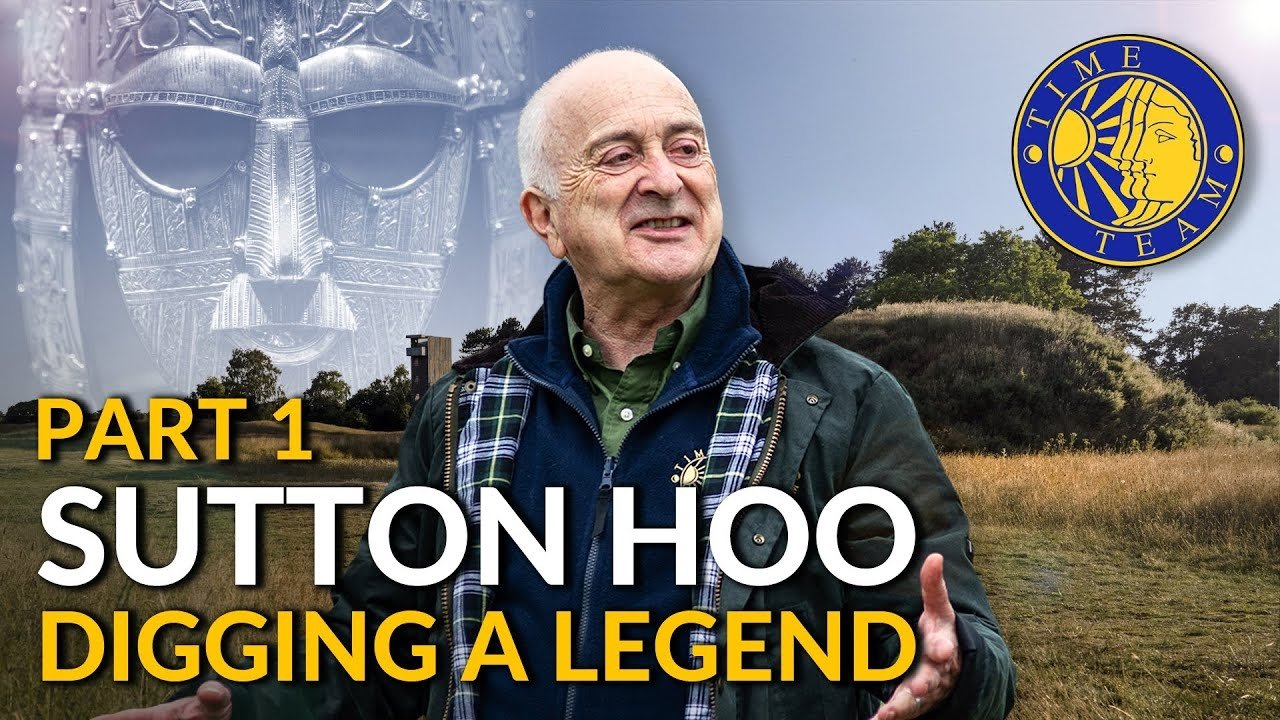
In Part 1 of 3 parts following the first season at Sutton Hoo, Tony and the team get stuck into the first week of excavations, and delve into the history of the site. Tony reveals how the discovery of the great ship burial changed our understanding of Anglo Saxon society.. The Team begin to suspect that a cemetery under the Visitor’s Centre extends into Garden Field. And a strong metal detecting signal suggests to the team that they might have found the missing parts of a rare and beautiful Byzantine bucket partly ploughed up 30 years ago. Dr Helen Geake reveals her very personal connection with the site, which goes back to her student days, when she and other members of the team discovered some extraordinary burials under the other mounds in the Royal Burial ground. Dr. John Gater reveals the Geofizz that he and Jimmy Adcock did in 2021 and Stewart takes a wander through the landscape.
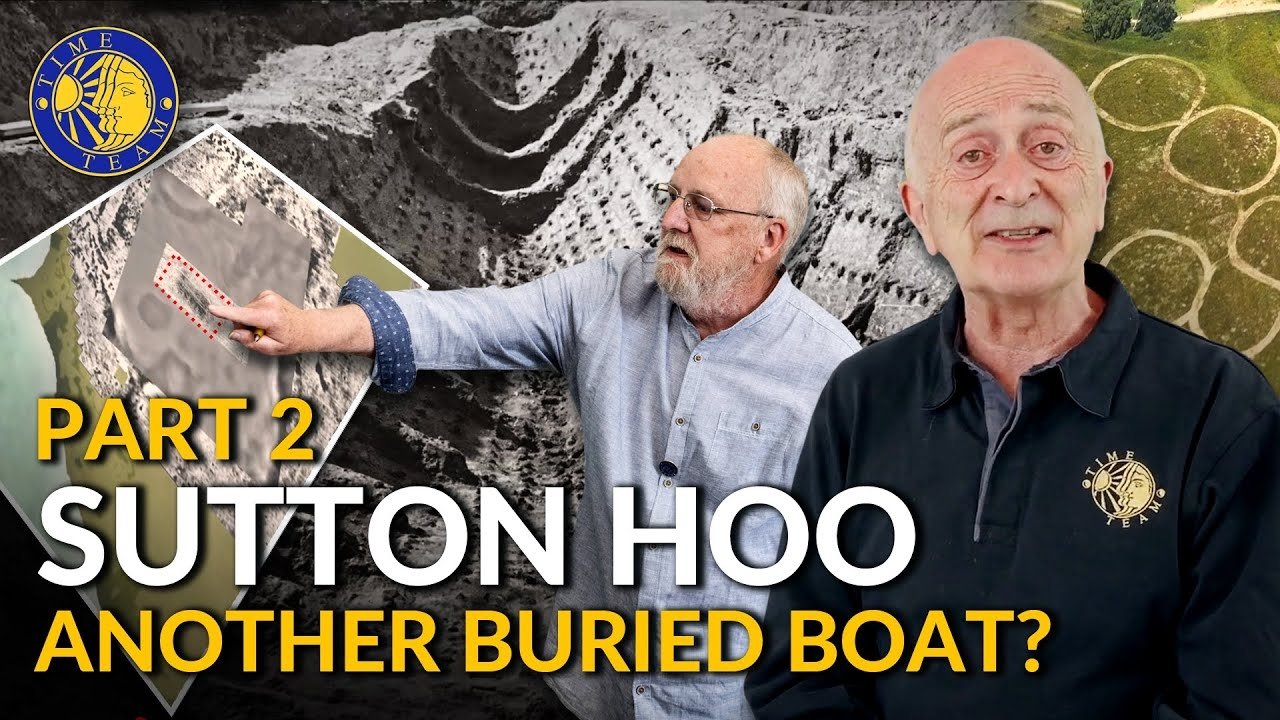
In Part 2, the Geofizz team hunt for an anglo saxon settlement and a Hall. And they discover an extraordinary anomaly which could shed light on Sutton Hoo’s Anglo Saxon shipping history. Carenza and Dani recruit about 40 volunteers to investigate the area in a series of test pits, and Derek and Lawrence take to the water.. In Garden Field, the dig continues with more graves being identified and pieces of intriguing grave goods. The big metal detecting signal gets bigger. Derek and Helen make an exciting discovery about the fabric of the Byzantine Bucket.
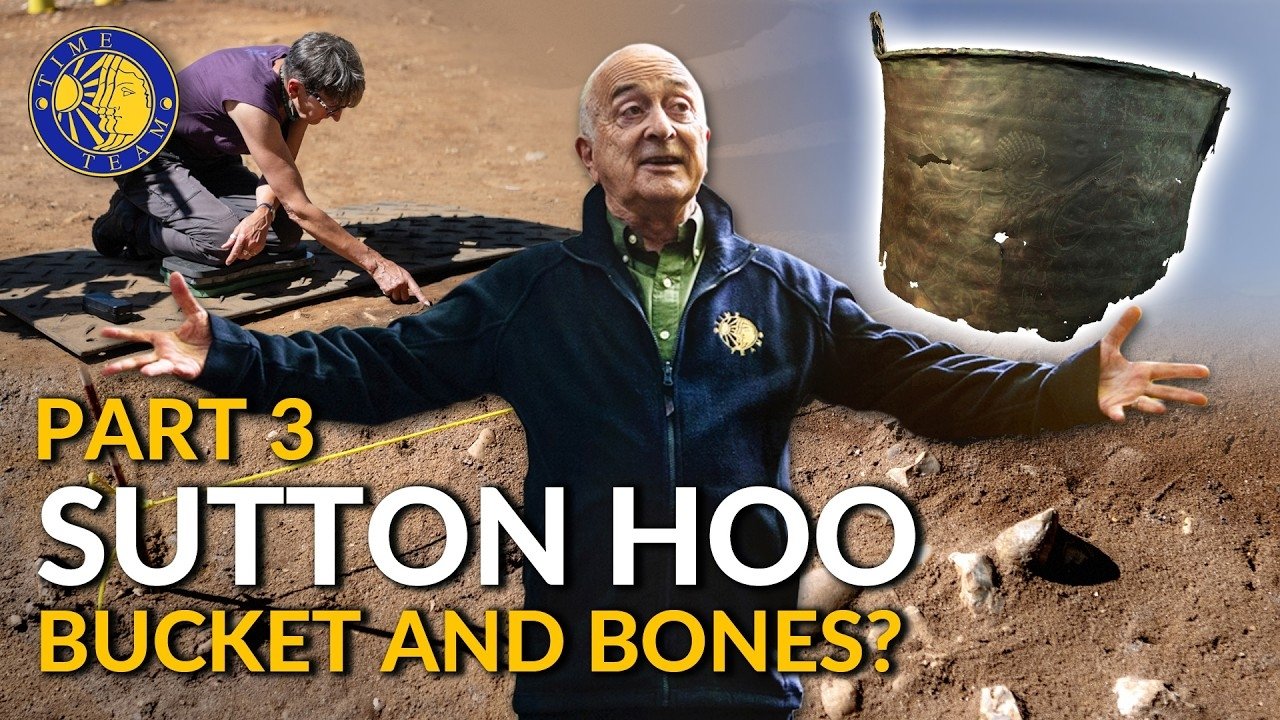
In Part 3, The Dig Jackie McKinley rejoins the team as the Dig reaches an exciting climax in the middle of a heatwave as they discover the source of the big metal detecting signal. Tony explores some of the more extraordinary medieval execution burials found in the Royal Burial ground. The program focusses on some of the developments in Anglo Saxon craftsmanship. Hilde meets the Sutton Hoo Textiles group who are using experimental archaeology to recreate some sumptuous Anglo Saxon textiles. And the man who recreated the Bromeswell Bucket explains how it nearly hospitalised him.
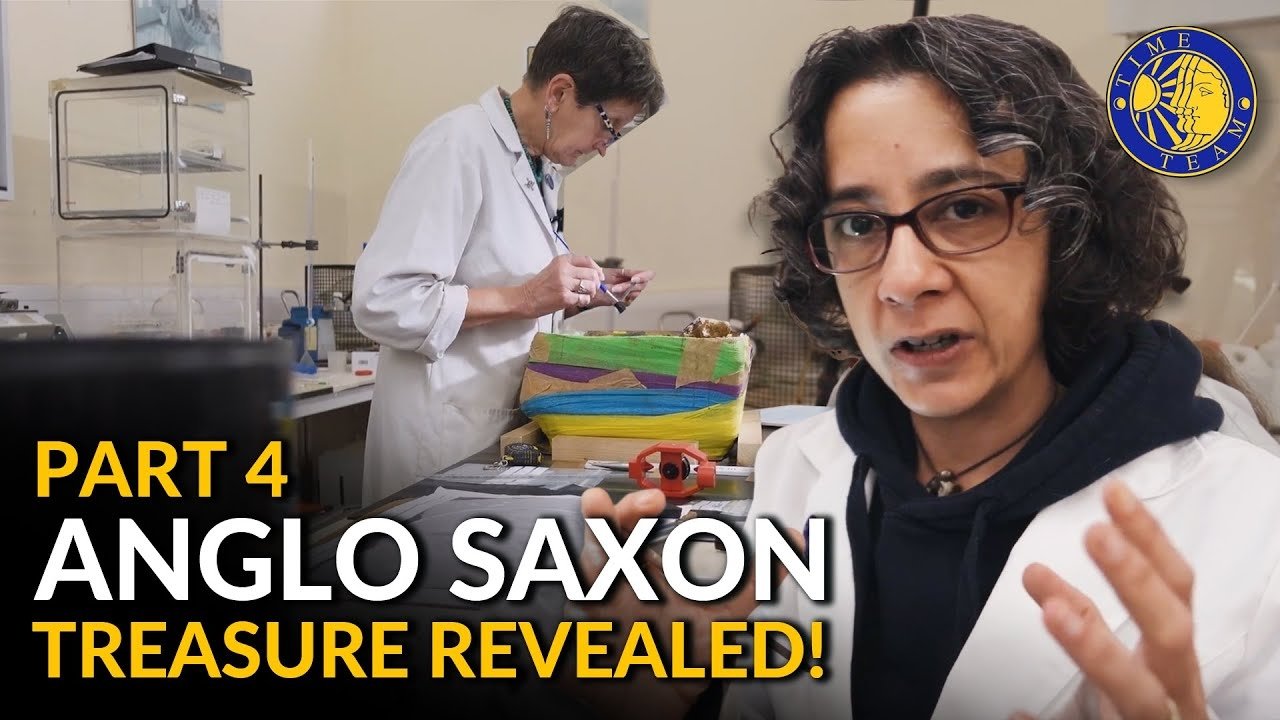
In the final episode of Time Team's first season at Sutton Hoo, Jackie, Naomi and Justin Garner Lahire join Sophie Courtiaud at York Archaeology and Tom Sparrow of University of Bradford team up to micro excavate the base and contents of the Bromeswell Bucket.
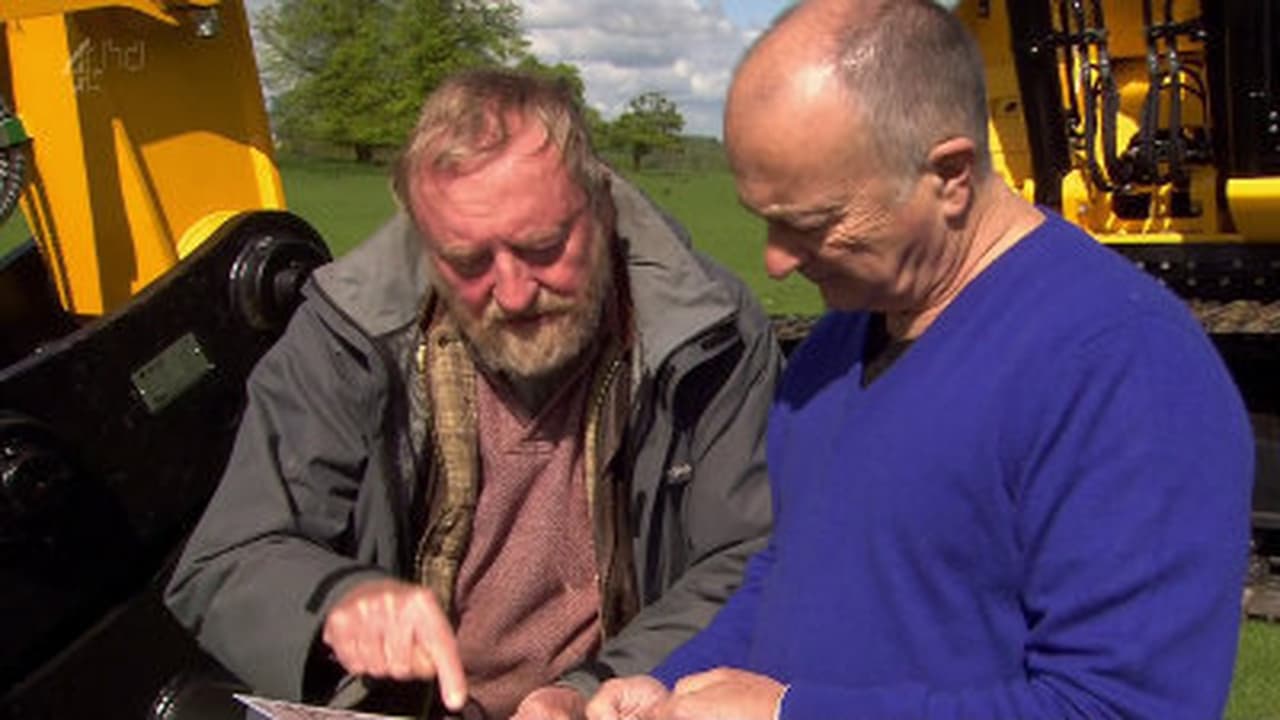
Golfers at a popular East Midlands golf club now know that a huge wooded bank beside their fairway is a rather special area of 'rough', an old machine gun firing range.
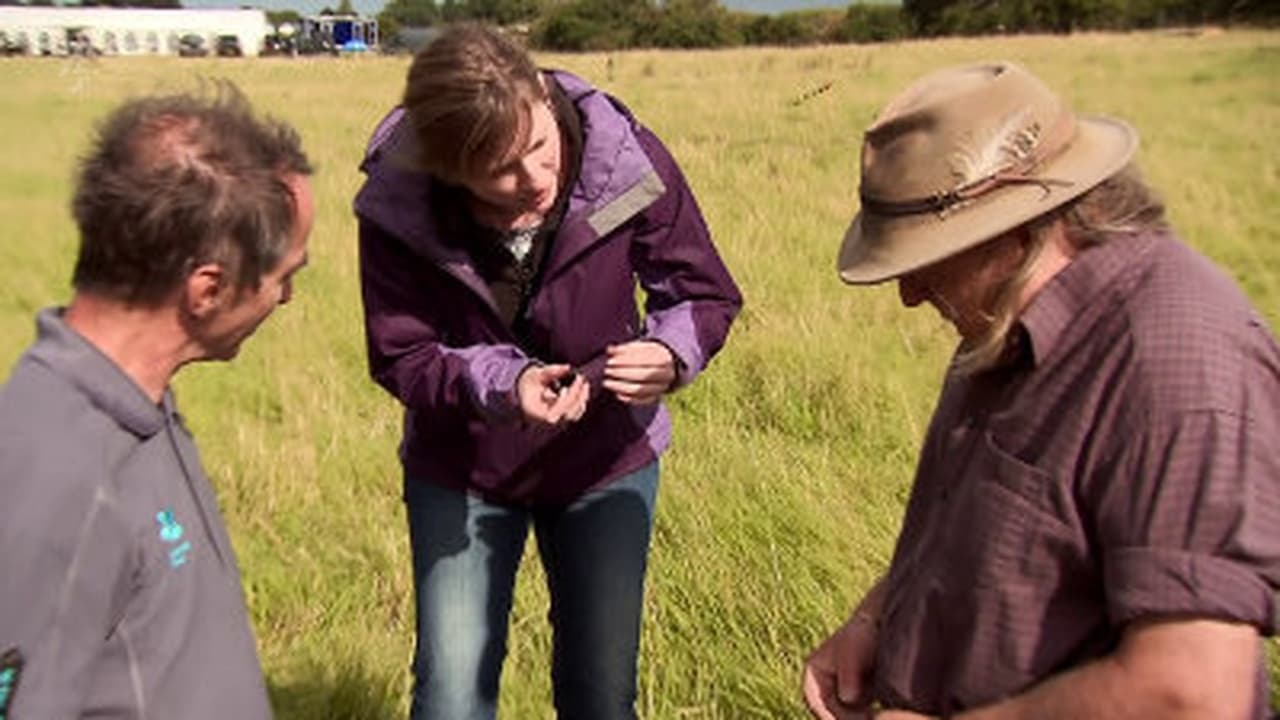
Featuring the Team's largest ever range and number of items from Roman Britain and their most ambitious geophysics project to date.
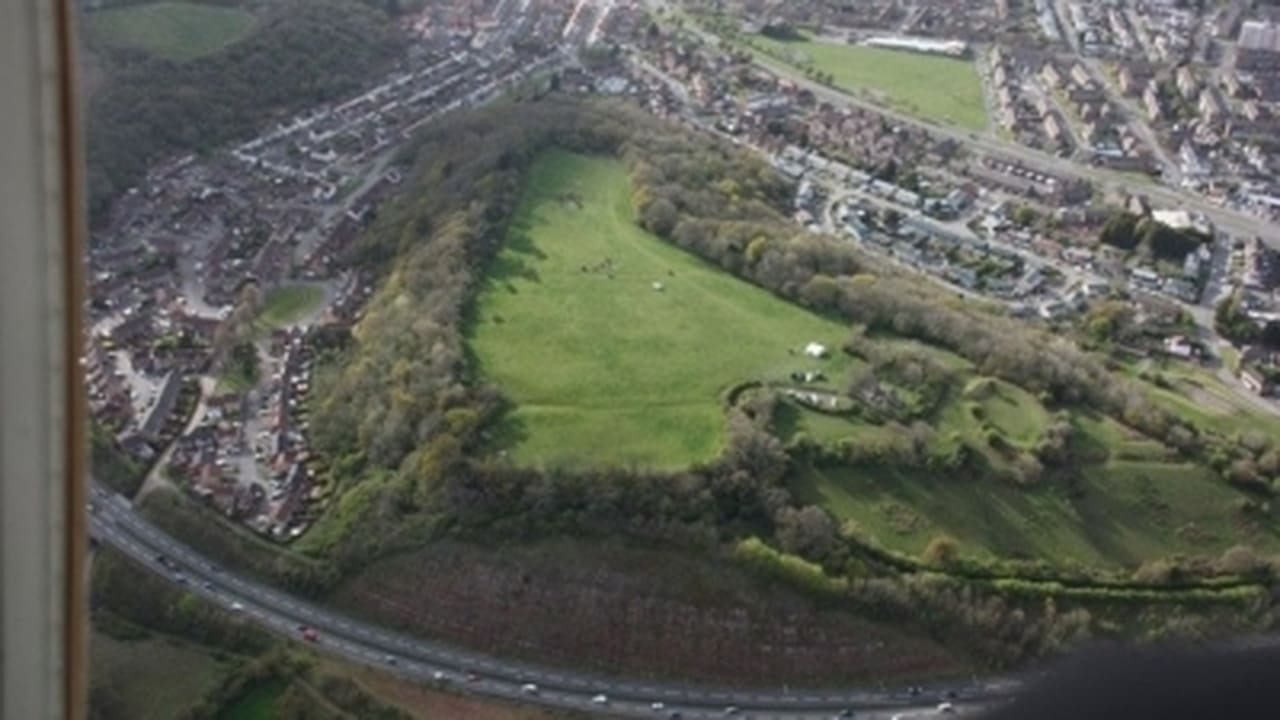
Time Team investigate a huge hill near Cardiff that may be immensely significant; was it the Iron Age capital of South Wales? Tony and the Team have just three days to answer some very big questions.

Tony and the team attempt to help Hektor Rous, the son of 'Aussie Earl' Keith Rous, work out the mysterious history of the family's Tudor country home in Suffolk.
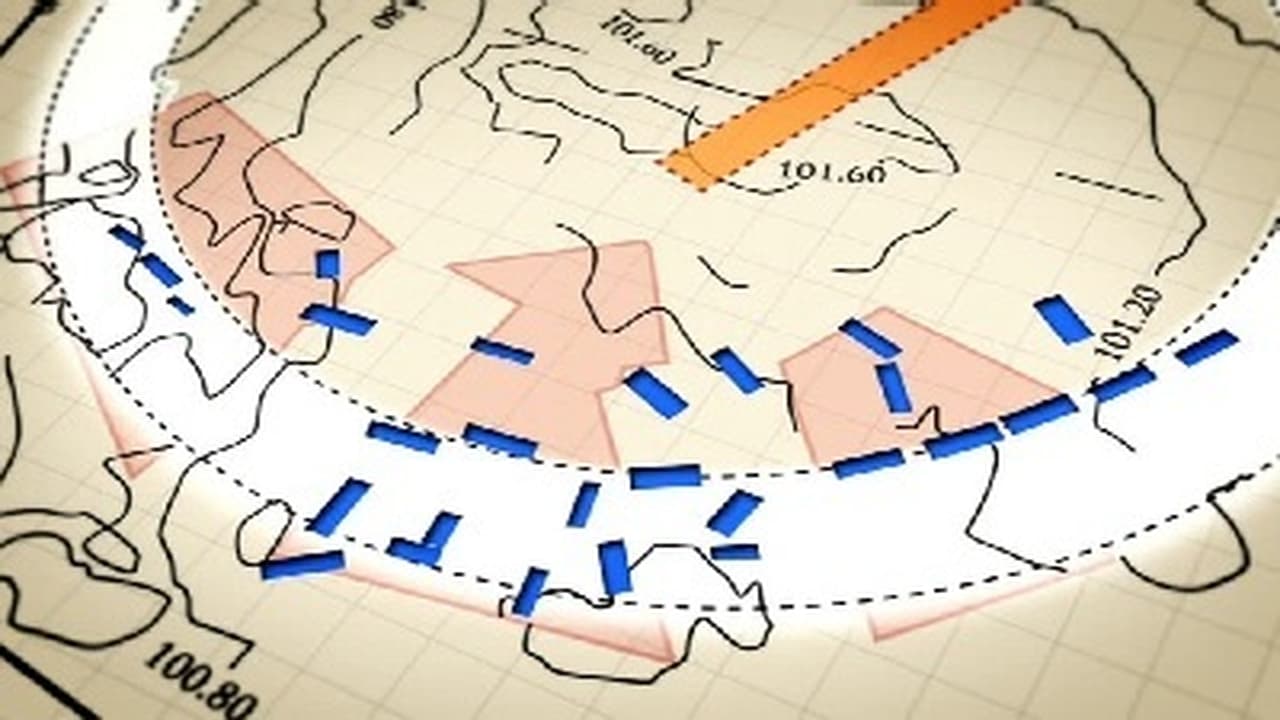
Tony and the team work with veterans of the war in Afghanistan, investigating the ancient Barrow Clump on Salisbury Plain, where they discover burials from 2000BC and rare Saxon finds.
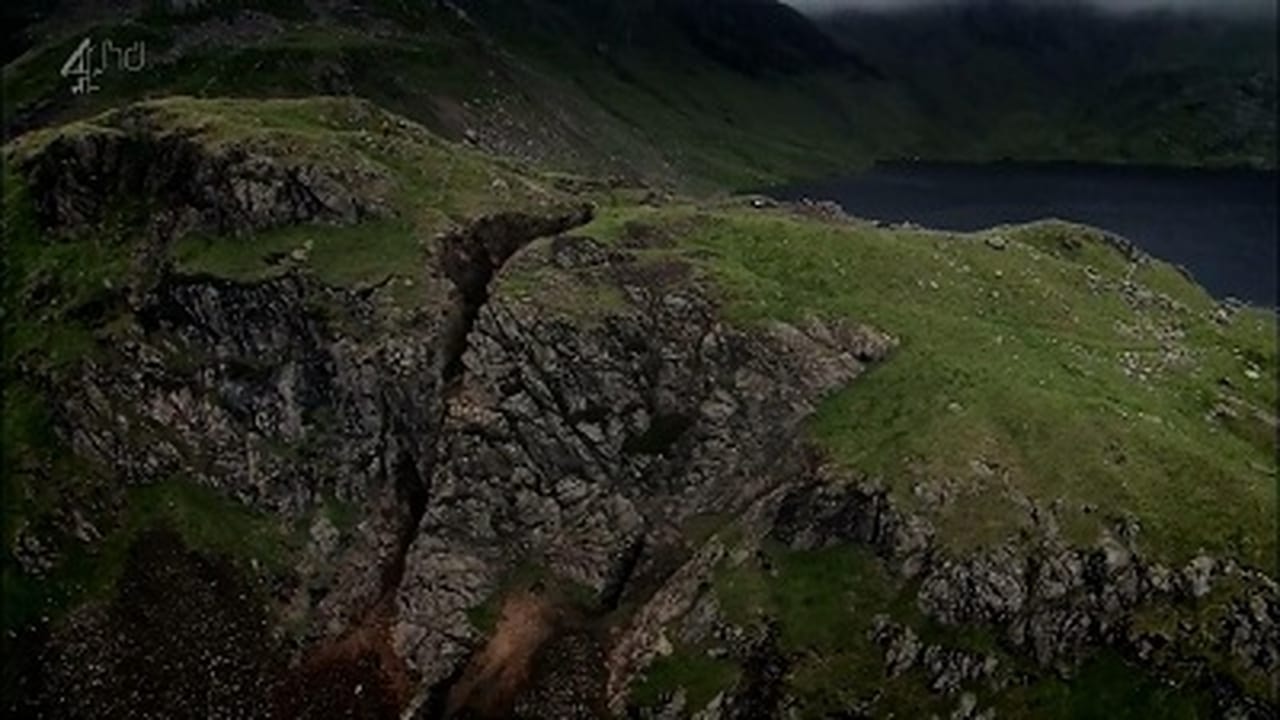
Tony and the team make their way to the Lake District on an expedition that takes them both higher and deeper than they've ever been before. They are looking for a forgotten piece of the nation's industrial heritage.

Oakham Castle is the best preserved 12th-century building in Britain, but there's much more to it than meets the eye.
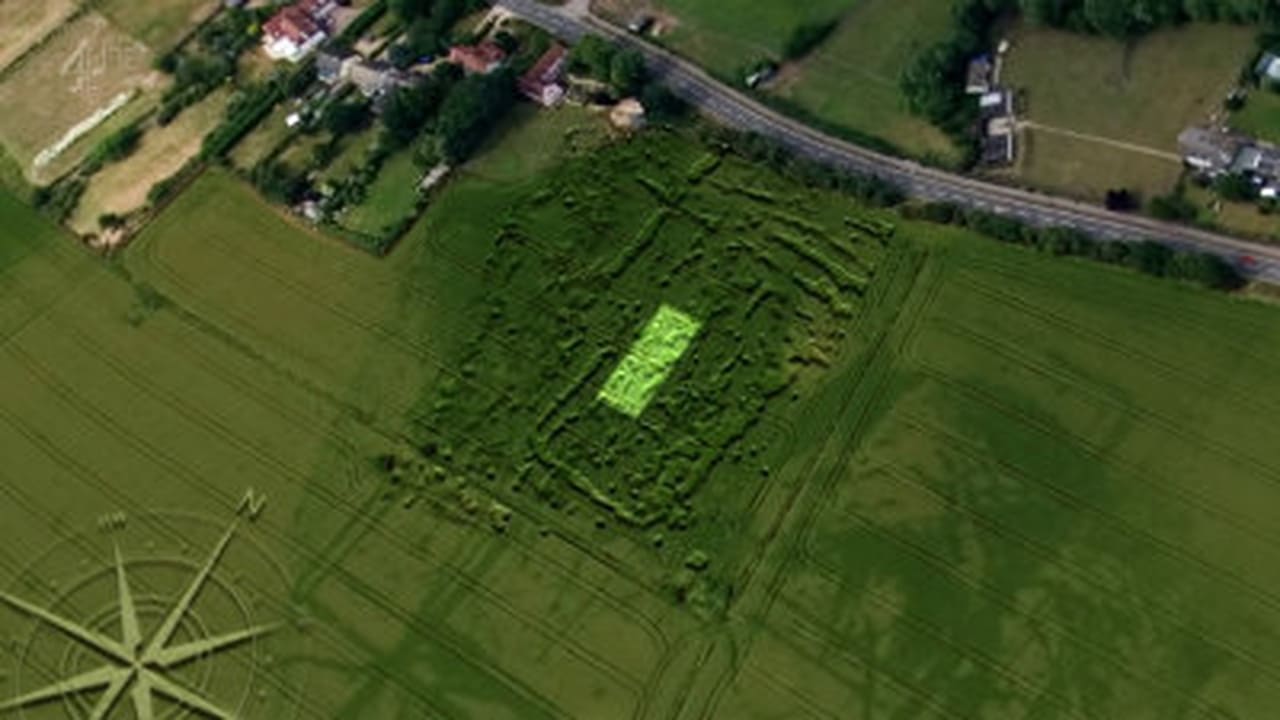
Roman remains have been turning up in an Oxfordshire field for decades, where a student in the 1960s believed he had uncovered a Roman mosaic.
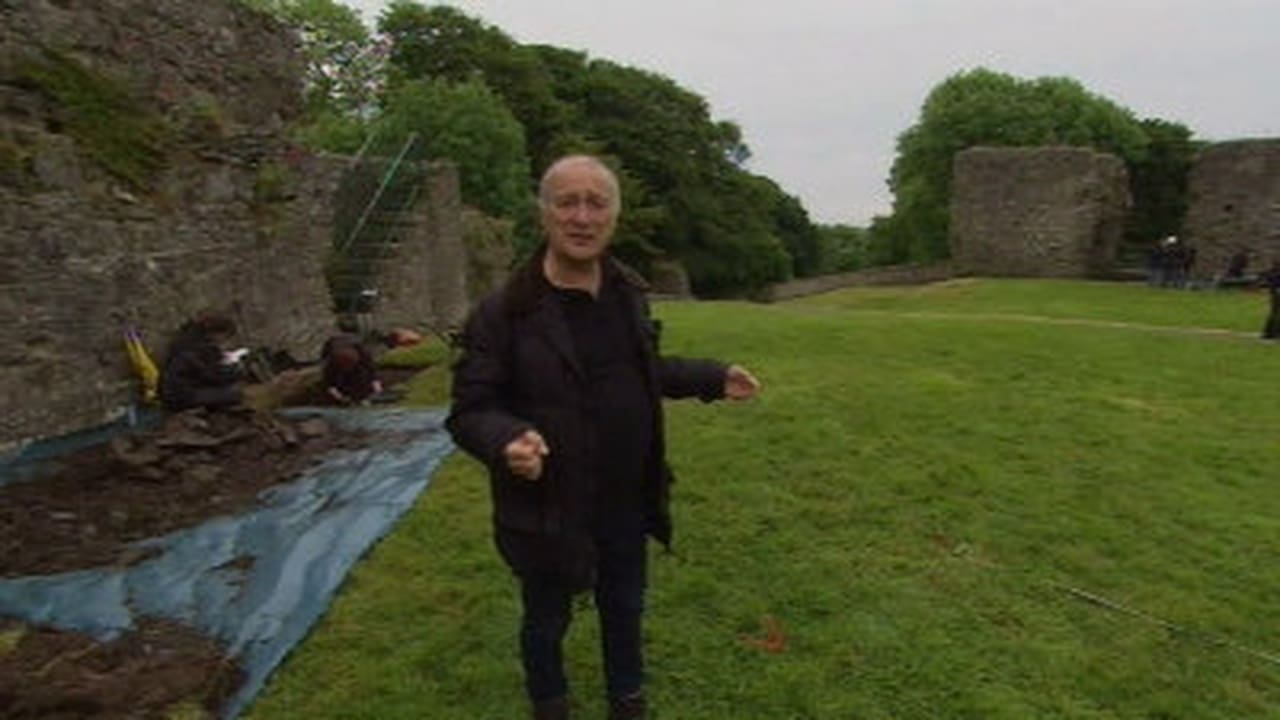
Tony and the Team search for the remains of a renegade knight's Norman castle in one of Northern Ireland's most picturesque spots.
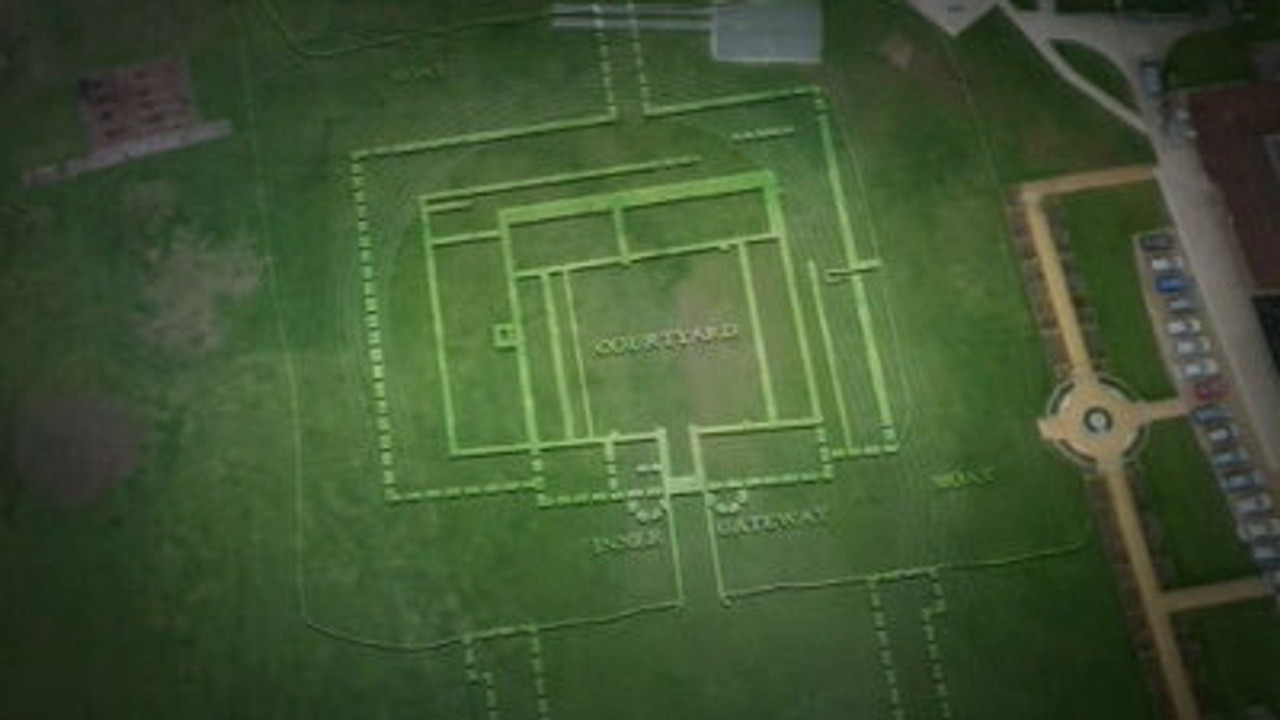
In the 1950s a group of schoolboys found the remains of Britain's most opulent palace under their playing field. Now Tony and the Team try to piece together this massive Tudor puzzle.

When Steve and Pru bought pretty Upton Castle in Pembrokeshire they weren't sure if it was a Victorian folly or an Anglo-Norman castle, built to defend 'Little England beyond Wales' from the locals.
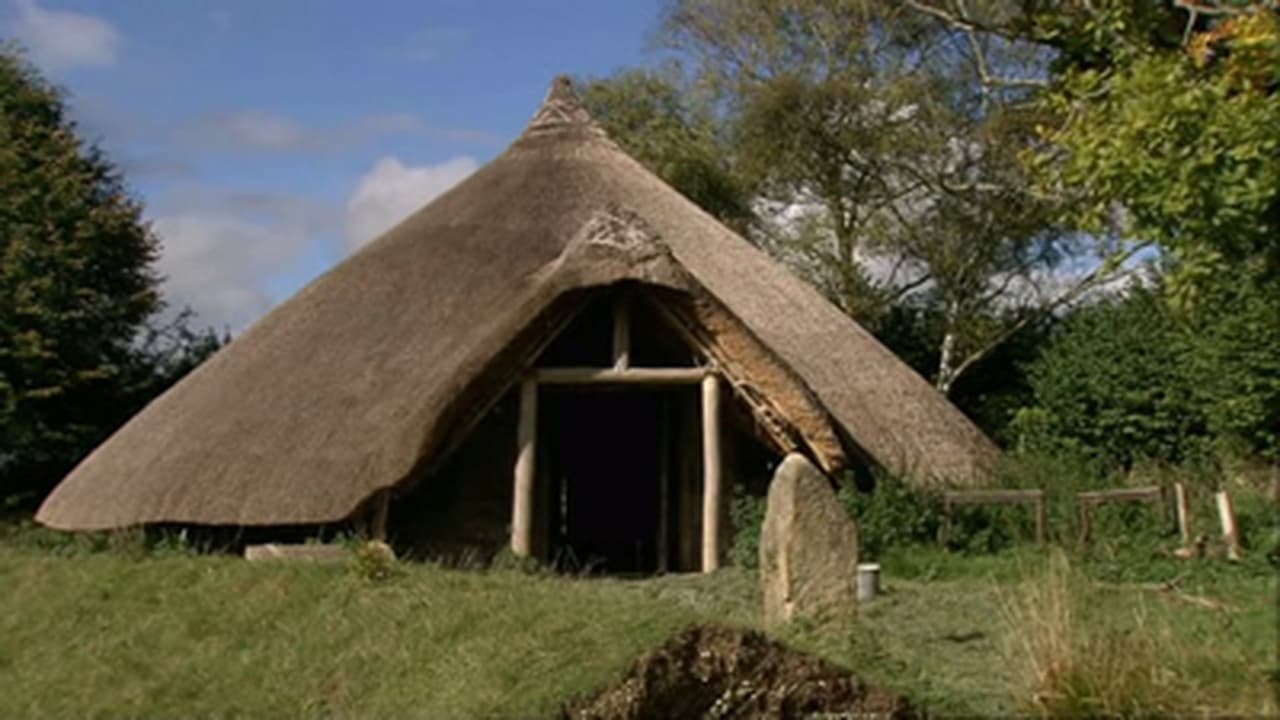
Tony Robinson celebrates the 150 experiments and re-creations Time Team has conducted over 20 years, from Stone Age swords like Excalibur, to building an entire Iron Age house.
Tony takes a look back at the best bits from two decades and over 250 episodes.

Tony Robinson reveals astonishing new evidence that shows how, 8000 years ago, a huge tsunami swamped the east coast of Britain.
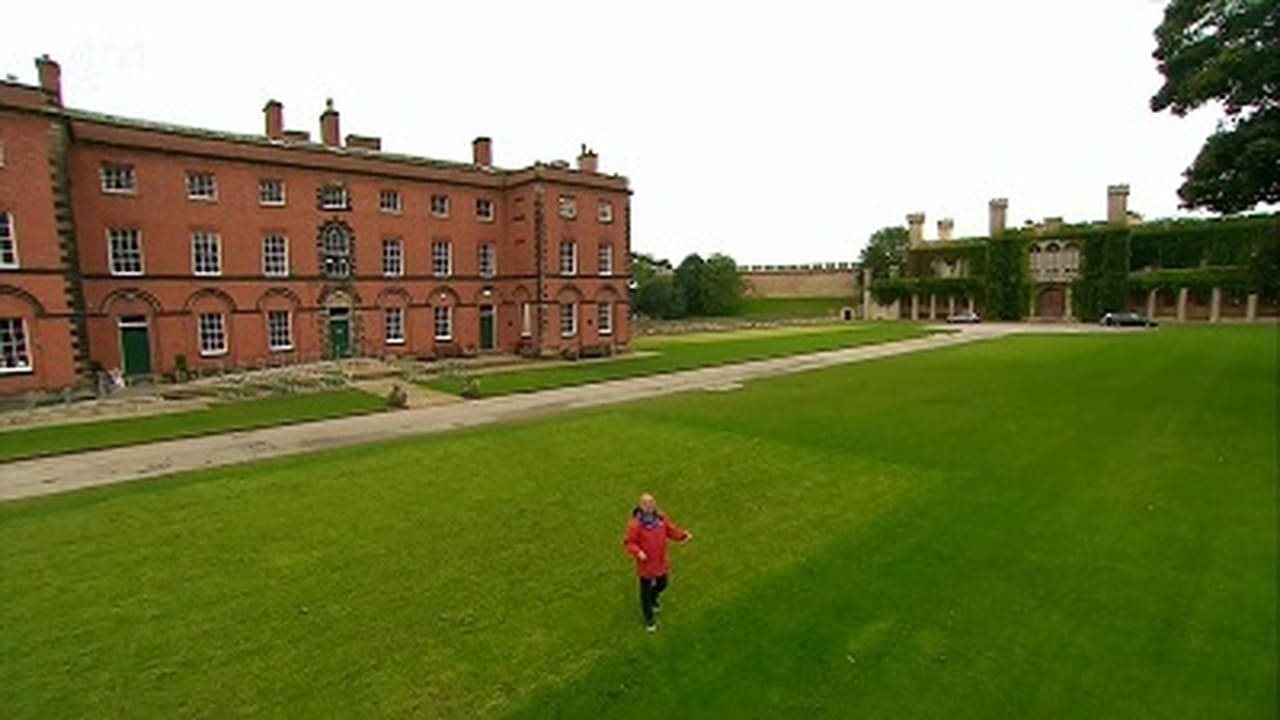
Lincoln has been dominated by its castle for over 1000 years. Its high stone walls and gatehouses were built to impress the locals with Norman power, and it has housed medieval dungeons and Victorian and Georgian jails. Extraordinarily, today the castle is still a centre for justice and punishment, containing an active court. As part of a £19million refurbishment programme, a preparatory archaeological dig at the castle is revealing new secrets about the horrors of its early jails. Sir Tony Robinson and the Time Team cameras have had exclusive access to the dig. With help from Phil Harding and Alex Langlands, Tony traces the story of punishment over the course of a millennium. He discovers that, behind the walls of Lincoln Castle, the Victorians launched an experiment in prison justice that pushed human beings to their limits. Some went mad, many died, and the prison regime broke down in shocking circumstances. In this grim jail in the heart of the city, something went badly wrong.
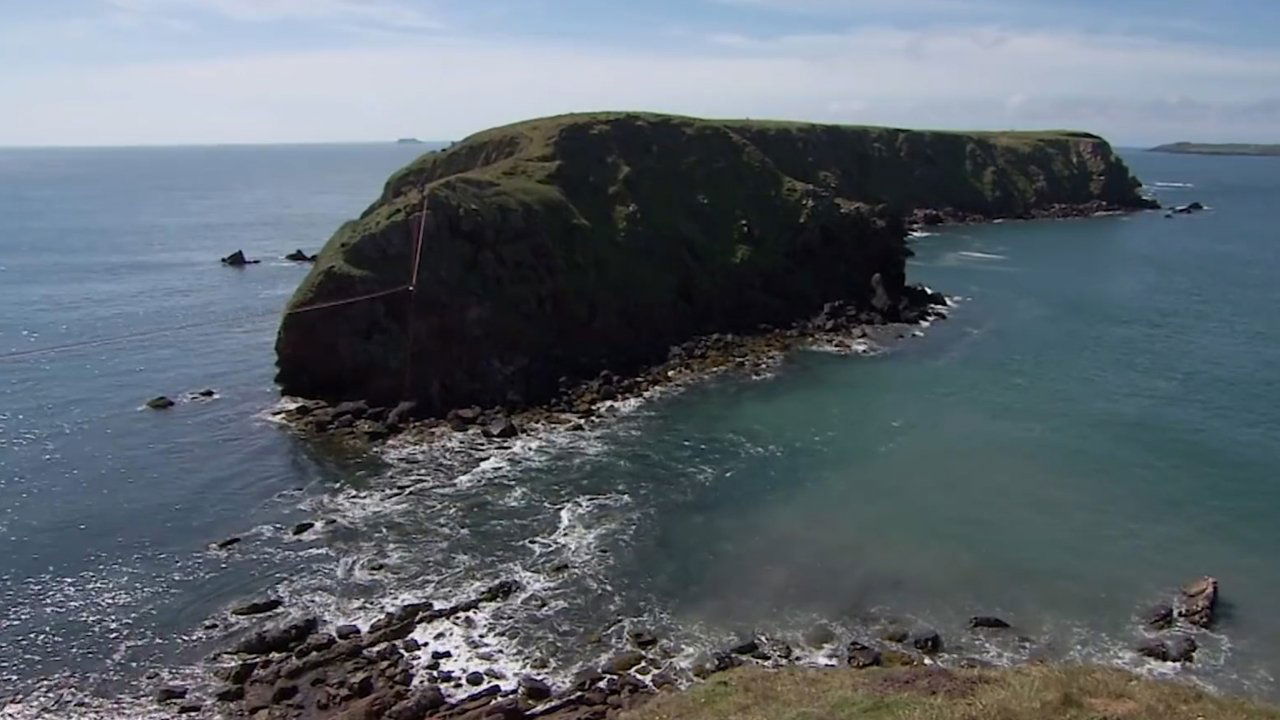
Tony Robinson and the team visit a tiny windswept island off the coast of Wales. The only way to get to it is by rigging a 500-metre zip wire way above the wave-lashed rocks.
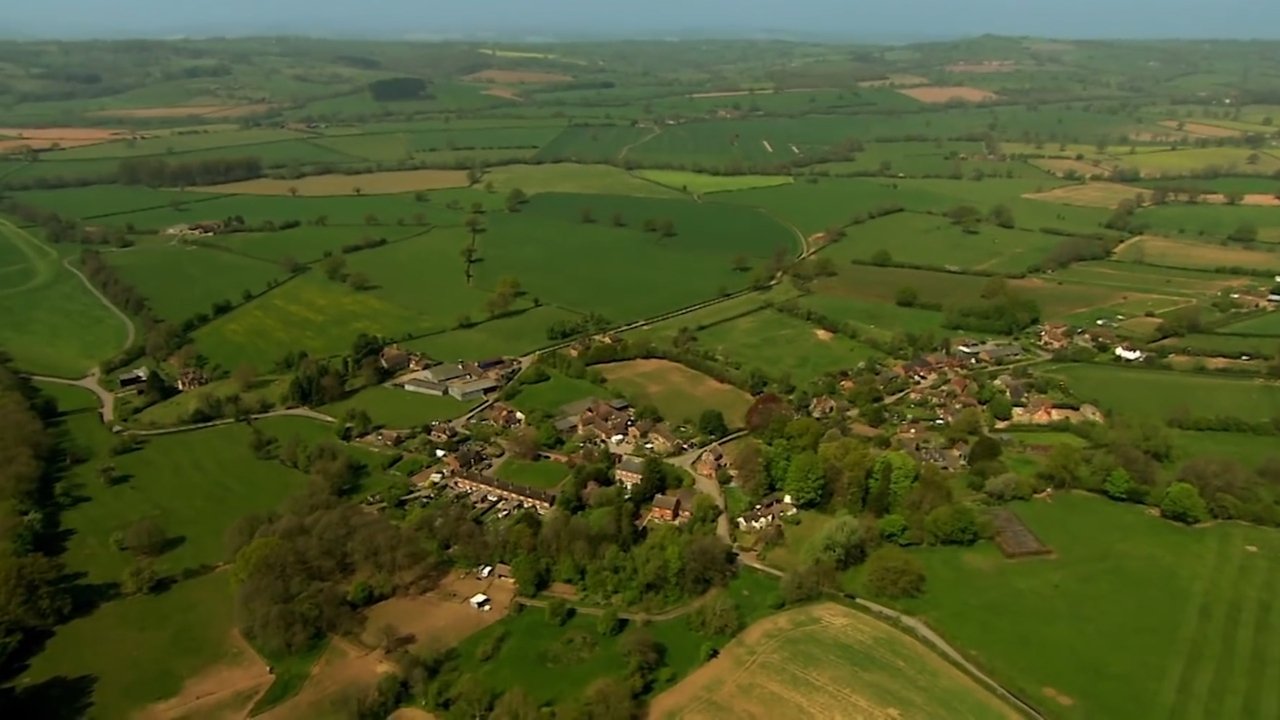
There's a problem in the chocolate-box village of Bitterley in Shropshire. The village's school and cottages cluster prettily around the green. But the village church and the manor house lie more than half a mile away, on the other side of a lumpy, bumpy empty field.
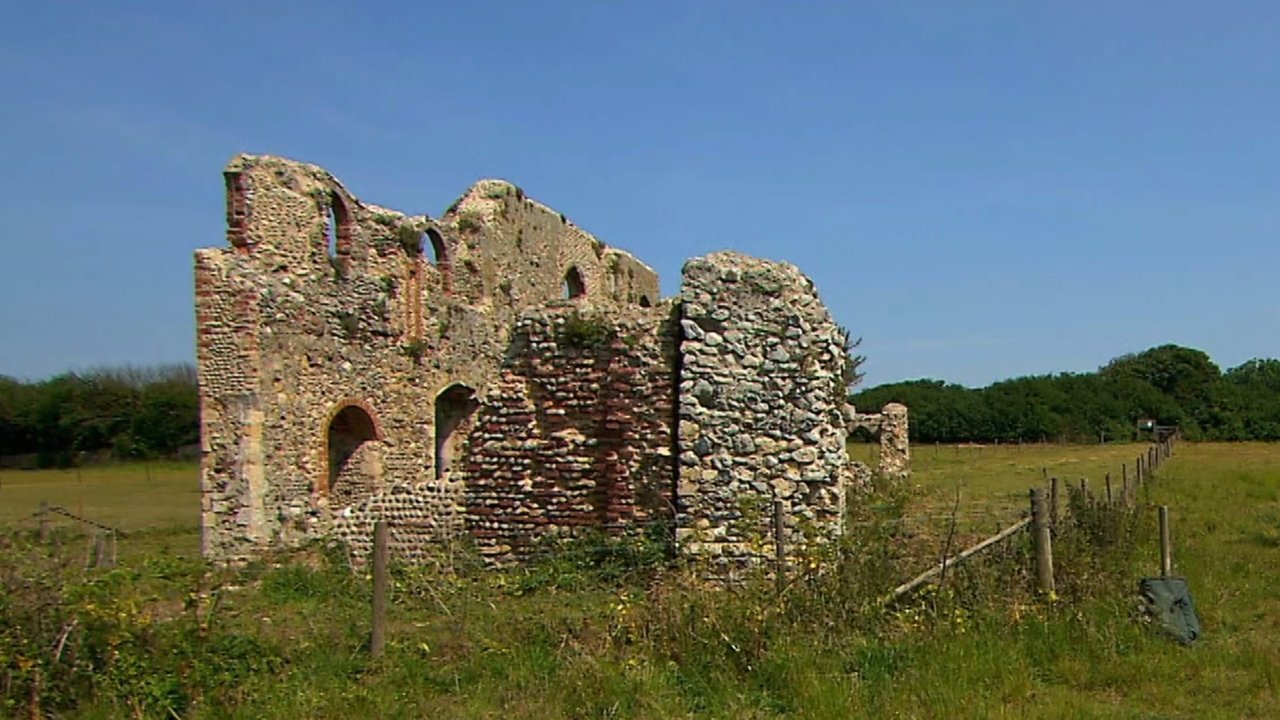
Tony Robinson and the Team head to Dunwich, a village that's literally falling off the edge of the UK. Coastal erosion has eaten away most of this once-bustling settlement, and before the whole place is lost to the sea, there's a last chance to find out more about the lost origins of this dramatically situated town. The team are joined by historian Mark Bailey, architectural consultant Richard K. Morriss, Kyle Brown from the Environment Agency, John Ette from English Heritage, and Professor David Sear.
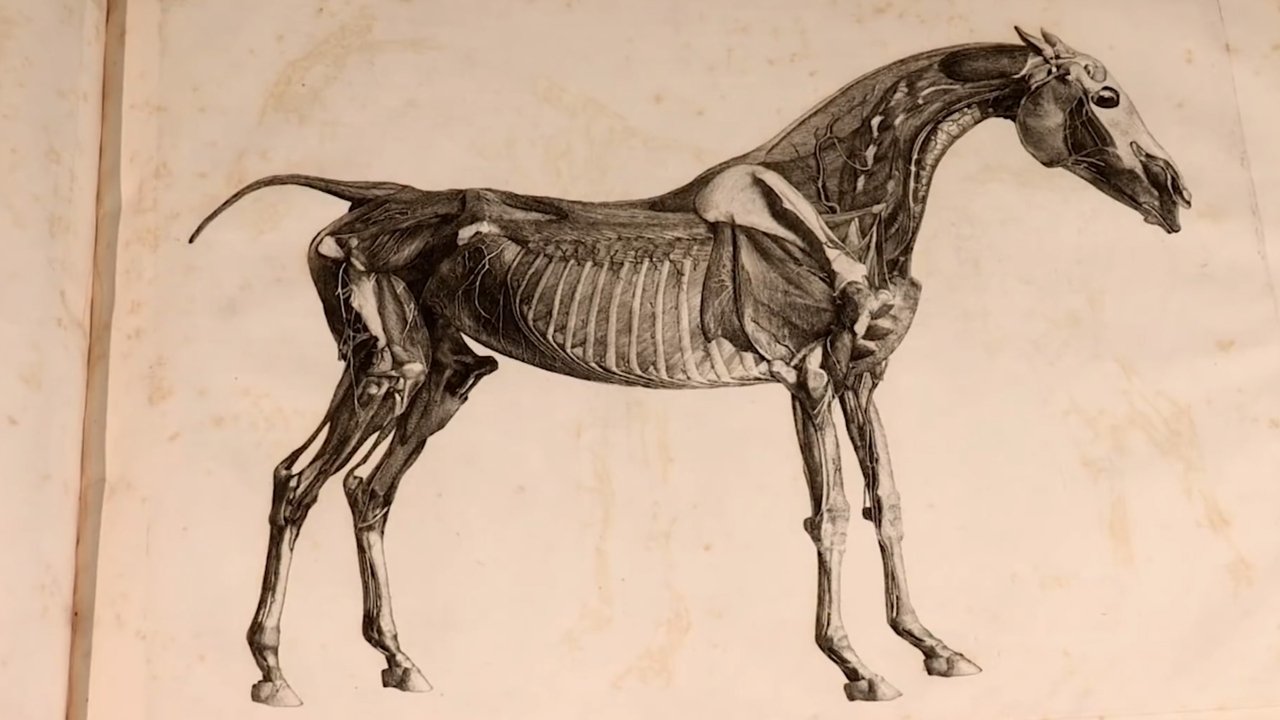
Tony and the Team visit Newmarket, the birthplace of horseracing, in search of the earliest archaeological traces of the sport of kings. They dig in the heart of the historic town, in search of the remains of King Charles II's racing stables - arguably the world's first stables dedicated to racing. Bone specialist Jackie McKinley talks about horse skeletons with Christopher Garibaldi at the National Horseracing Museum.
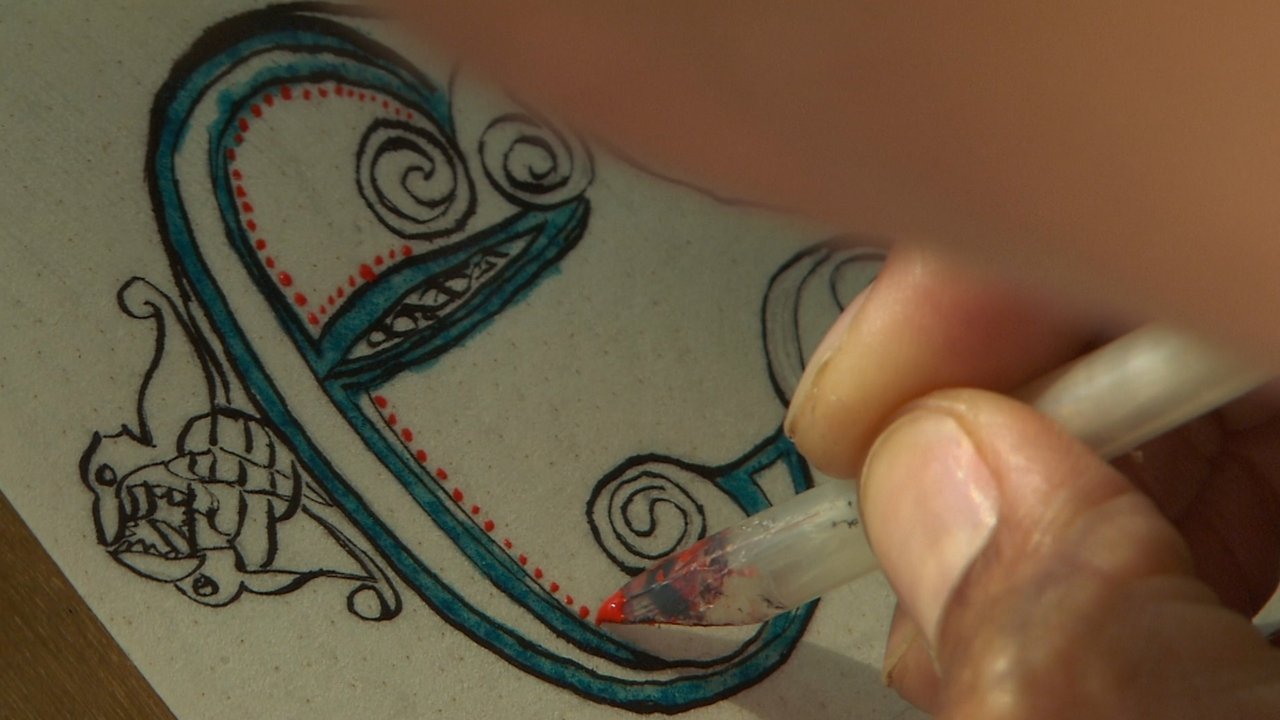
Tony leads the Team to the village of Beadnell on a beautiful stretch of the Northumbrian coast, to explore an unusual promontory, from which mysterious fragments of human bone have emerged over recent years. The team are joined by Anglo-Saxon historian Sam Newton, vicar Jane Wood and small finds expert Danielle Wootton. Calligrapher Suzanne Moore investigates techniques used by monks inscribing and illuminating the Lindisfarne Gospels.
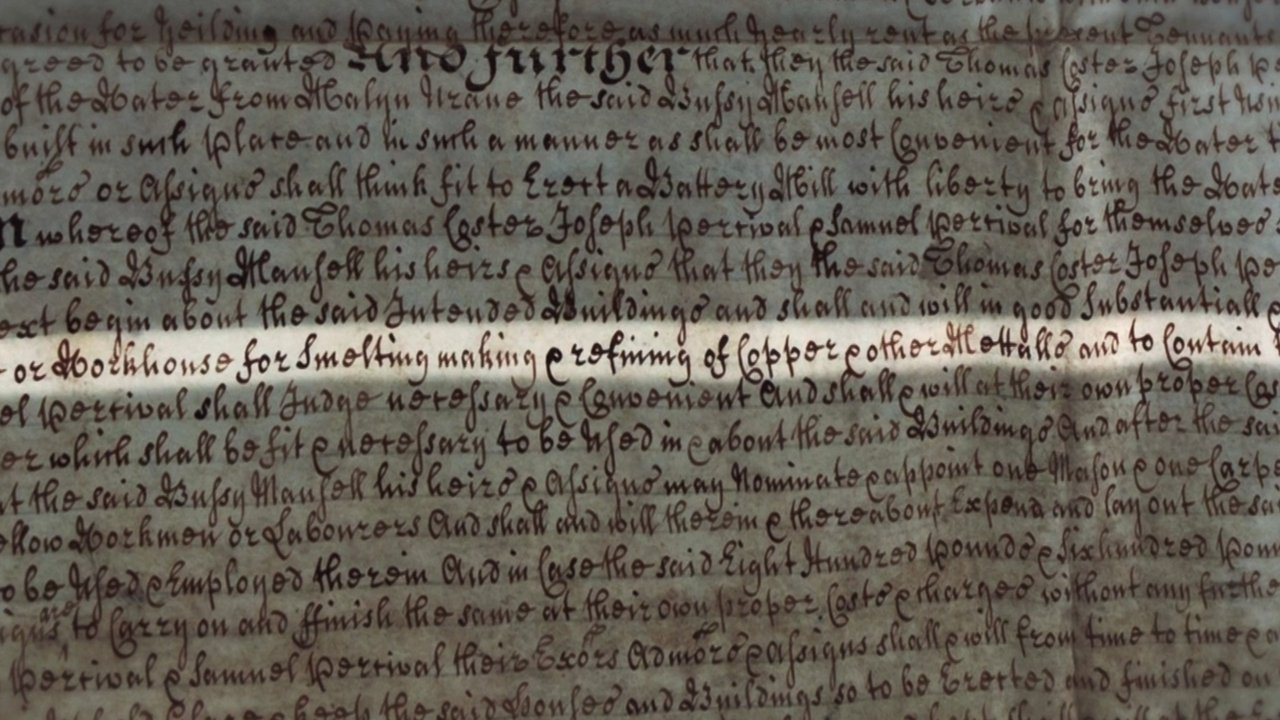
Two hundred years ago, Swansea was one of the wealthiest cities in the country, if not the world. The source of those riches was neither the coal nor the steel recently associated with the area, but copper.
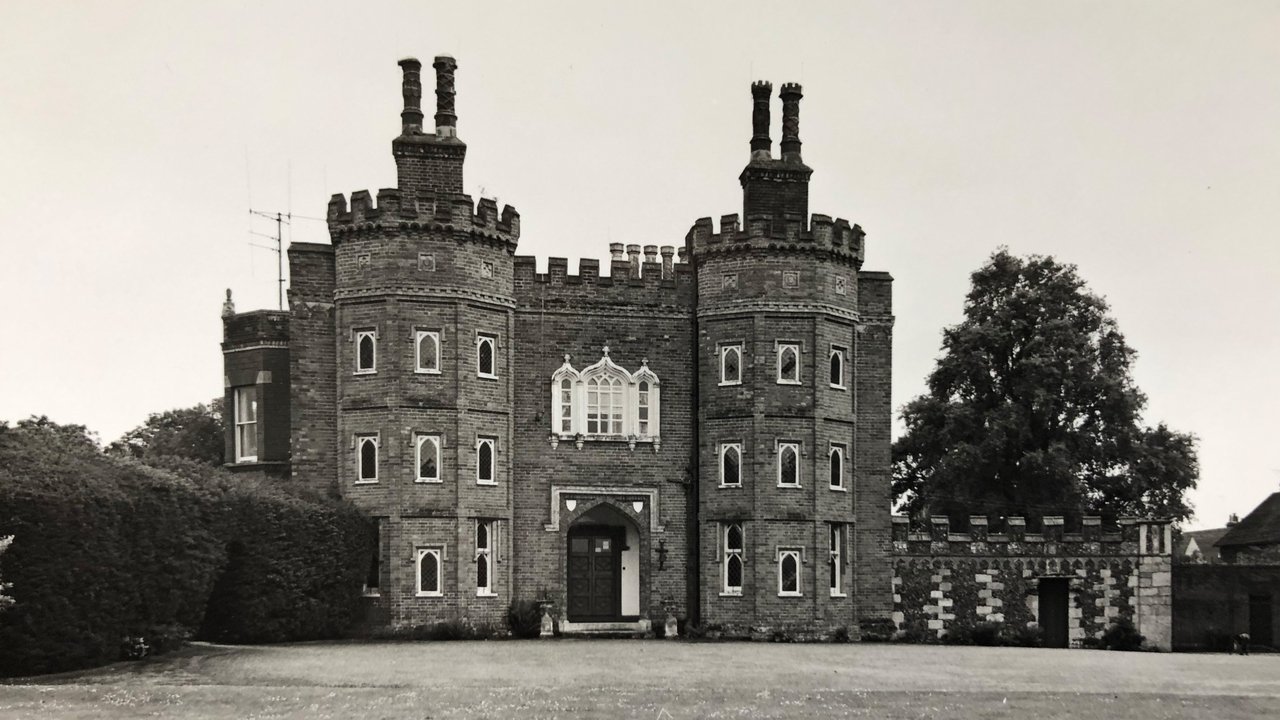
Tony and the team rip up the pristine lawns of Paul Whight's stately home in search of the secrets of its illustrious former owners: the De Veres, who built a priory here in the 12th century. They are also hoping to discover the later manor house. There is a rumour that the dissolute 17th Earl, Edward, wrote at least some of William Shakespeare's plays, and could be buried here, along with his ancestors and descendants. Geophysics is now able to produce 3D images of what is underground; while Jackie has plenty of bones to look at. Alex helps stone carver Lucy Churchill to carve some de Vere symbols from blocks of rare alabaster. Among the many finds are stained glass and encaustic tiles. They are joined by Anna Whitelock from the University of London. Finally, state-of-the-art laser technology entombs Alex in his own sarcophagus.
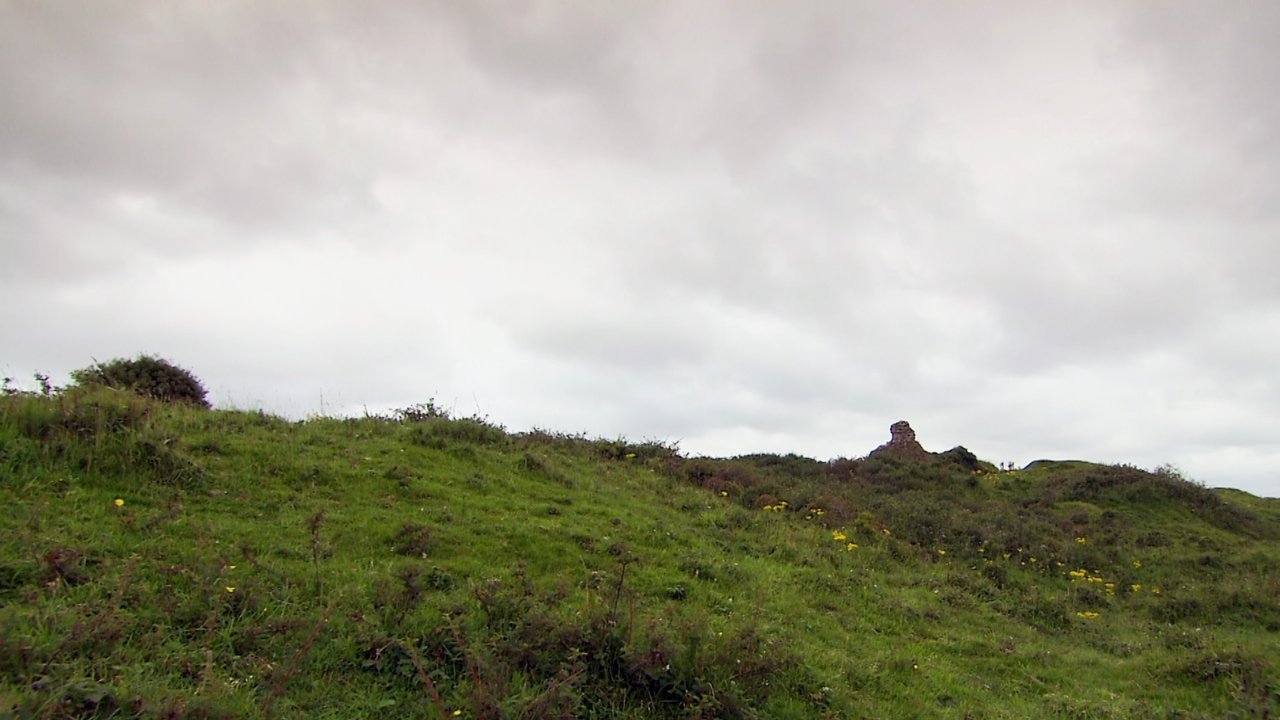
Eight hundred years ago the people of Kenfig on the south coast of Wales thought they had built the perfect town, nestled round a harbour with easy access to the sea and a sheltered position. The town appears to have been a thriving commercial success but then it vanished, leaving just a few castle walls to mark its existence.

The Roman legionary fort of Caerleon in South Wales is one of the most famous and best preserved Roman sites in Britain. But just outside the fort, archaeologists have discovered signs of yet another huge structure leading from the fort down to the river.
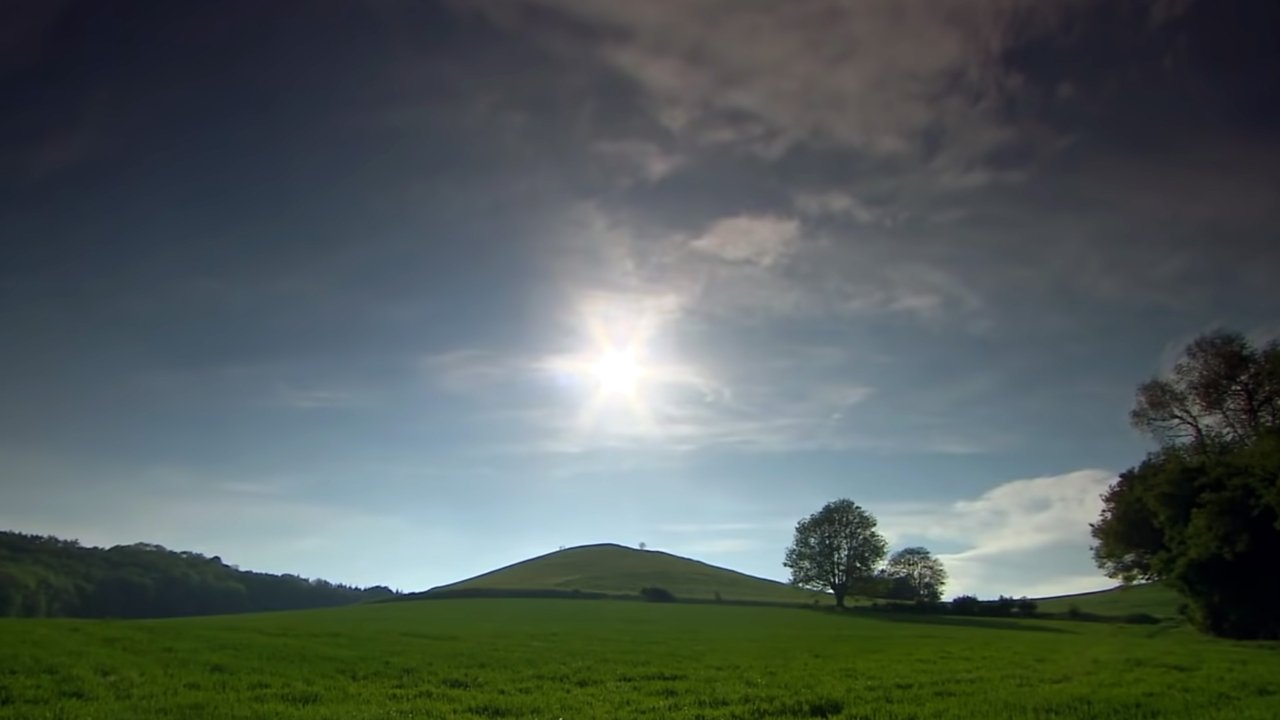
For generations a family of Somerset farmers have been wondering if there was ever actually a castle on top of the hill they call Castle Hill. A medieval charter refers to a Norman castle in the area, but they are not clear about exactly where and there are several likely locations. Geophysics' radar shows a large rectangular structure, possibly a keep. There is debate as to whether it was timber or stone. Raksha and Paul are excited by some 12th century pottery, indicating that the building may date from the Anarchy period rather than the Norman conquest. Moreover, a metal spur hints at a cavalry based fort. They are joined by castles expert Marc Morris, and quarryman Zak England demonstrates how to split a stone. Phil tastes mead for the first time. Mick is beginning to doubt whether the building was ever completed.
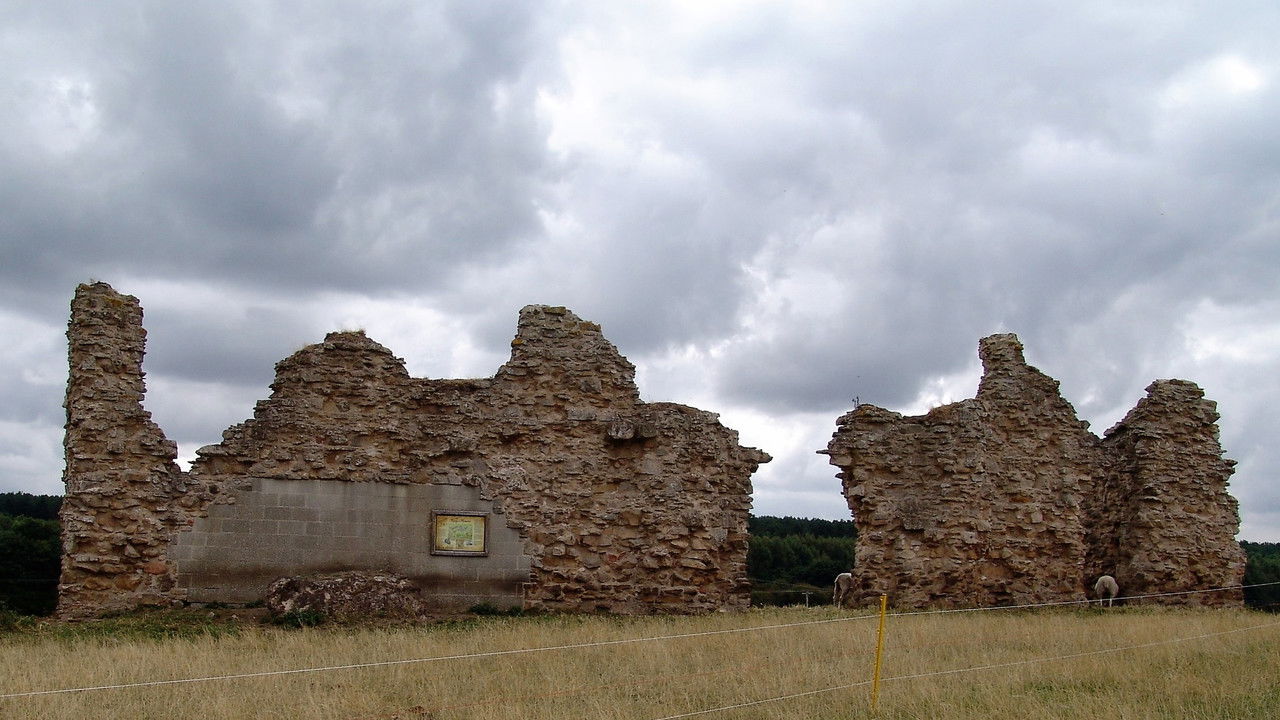
Tony and the Team don their hunting green, pick up their bows and arrows and head for the fringes of Sherwood Forest, where residents of Clipstone village in Nottinghamshire believe some impressive ruins in a farmer's field may have played a part in the ancient tales of Robin Hood and Bad King John. Landowner Mickey Bradley hopes that the site will be preserved as a heritage site. High class stone carvings indicate what is likely to be one of King John's hunting lodges or a ceremonial hall, rather than a fully fledged palace. They are joined by Tony Rotherham, who describes the practices and terrible punishments meted out to local poachers such as Robin Hood. He was probably only one of many outlaws inhabiting these forests, which were maintained by royalty for hunting and other amusements. Tony Rotherham also demonstrates the unmaking ritual, or butchery of a deer carcass.
Tony Robinson investigates how burial customs have changed and evolved over thousands of years of British history.
Revisiting digs that produced rare and fine jewellery, gold coins, huge and intricate mosaics - and some extraordinary archaeological fakery - Mick Aston, Phil Harding and Helen Geake defend and debate their choices for Time Team's greatest discoveries.
Episode list not loaded for this season.
Episode list not loaded for this season.

Episode list not loaded for this season.
Episode list not loaded for this season.
Episode list not loaded for this season.
Episode list not loaded for this season.
Episode list not loaded for this season.
Episode list not loaded for this season.

Episode list not loaded for this season.
Episode list not loaded for this season.
Episode list not loaded for this season.
From this season onwards, Time Team was filmed in widescreen format.
Episode list not loaded for this season.
Episode list not loaded for this season.
Episode list not loaded for this season.
Episode list not loaded for this season.
Episode list not loaded for this season.

Episode list not loaded for this season.

Episode list not loaded for this season.
Movies and shows similar to Time Team — open any to see where it streams in India.
Documentary · Mystery
Cast: Laurence Fishburne
Documentary · Mystery
Creator: Kevin Burns
Cast: Robert Clotworthy, Giorgio A. Tsoukalos, Ariel Bar Tzadok
Documentary
Documentary · Crime
Creator: Skye Borgman, Joe Berlinger
 Series
 Series