The Untold Story
Meena Kumari
Born Mahjabeen Bano
Actress · Poet · Hindi cinema · 1933 – 1972
They called her the Tragedy Queen — and then she lived a life sadder than any role, drinking herself to death weeks after the film that immortalised her finally released.
Meena Kumari was the greatest tragedienne Hindi cinema ever produced — a poet, a superstar, and one of the finest actresses of the 1950s and 60s. Behind the luminous screen sorrow was a life of near-continuous heartbreak: a childhood of poverty, a secret and troubled marriage to filmmaker Kamal Amrohi, a slide into alcoholism, and a body that gave out at just 38. Her masterpiece, Pakeezah, reached cinemas after a fourteen-year struggle — and she died weeks later, as if she had held on only to see it released.
- Bollywood
- 1950s
- Tragedy Queen
- Pakeezah
- Poetry
- Born
- 1 August 1933 · Bombay, British India
- Died
- 31 March 1972 · aged 38 · liver cirrhosis
- Era
- 1950s–60s · Hindi cinema
- Known for
- Actress, Poet
Baby Meena: a childhood sold to the camera
She was born Mahjabeen Bano in 1933 into a poor family; her father was a struggling musician and actor. There is a much-repeated story that the family, unable to afford her, briefly considered giving the newborn away — an origin as bleak as anything she would later play.
As a small child she was put to work in films to support the household, billed as 'Baby Meena.' She grew up on film sets rather than in a classroom, carrying the weight of the family's finances almost from the moment she could speak lines.
The Tragedy Queen
As an adult she became Meena Kumari, and no one has ever played sorrow as she did. In Baiju Bawra (1952), Parineeta (1953), Sahib Bibi Aur Ghulam (1962) and a string of others she gave grief a face — the wronged wife, the doomed lover, the woman broken by a world that would not let her be happy.
She won the Filmfare Best Actress award multiple times and was, for a stretch of the 1950s and 60s, both a critical darling and a box-office force. She was also a serious Urdu poet who wrote under the pen name 'Naaz' — verses full of the same melancholy that defined her screen work.
Kamal Amrohi, and a marriage that unravelled
In 1952 she secretly married the filmmaker Kamal Amrohi, who was older and already married. The union was, for years, the central relationship of her life — and the source of much of its pain. It became increasingly controlling and unhappy, and by the mid-1960s they had separated.
The collapse of the marriage, combined with the loneliness beneath her fame, pushed her toward alcohol. What began as a way to cope hardened into a dependence that would eventually kill her.
Pakeezah, and a death foretold
Amrohi's magnum opus Pakeezah — with Meena Kumari as the tragic courtesan Sahibjaan — was in production, on and off, for some fourteen years, stalled by their estrangement and by money and technical troubles. It finally released in February 1972 to a slow start that grew into adoration once audiences understood what they were watching.
By then Meena Kumari was gravely ill with cirrhosis of the liver. On 31 March 1972, barely weeks after Pakeezah reached cinemas, she died at just 38. It was as though she had willed herself to live until her masterpiece was seen — and once it was, there was nothing left to hold on for. The Tragedy Queen had written, and lived, the saddest ending of all.
Controversies & scandals
The episodes that defined — and sometimes derailed — the career, laid out with what was alleged, what was proven, and what stayed a rumour.
- Documented1952–1964
The secret marriage to Kamal Amrohi
Meena Kumari secretly married the already-married filmmaker Kamal Amrohi in 1952. The marriage grew controlling and unhappy and their separation became one of the most talked-about breakdowns in the industry.
Read the full story → - Documented1960s–1972
Alcoholism and early death
Meena Kumari's dependence on alcohol, which worsened after her separation, led to liver cirrhosis and her death at just 38, weeks after Pakeezah's release.
Read the full story →
Life & career timeline
- Born Mahjabeen BanoBorn into a poor Bombay family; put to work in films as a child.
- 1940s'Baby Meena'Acts as a child to support her family.
- 1952Baiju Bawra & secret marriageStardom arrives with Baiju Bawra; secretly marries Kamal Amrohi.
- 1962Sahib Bibi Aur GhulamHer celebrated performance as the neglected, drinking wife Chhoti Bahu.
- 1964SeparationSeparates from Amrohi; her drinking worsens.
- Pakeezah releasesThe film, fourteen years in the making, finally reaches cinemas.
- Death at 38Dies of liver cirrhosis weeks after Pakeezah's release.
Essential Meena films
The roles that defined the career — tap through for where to stream each in India.
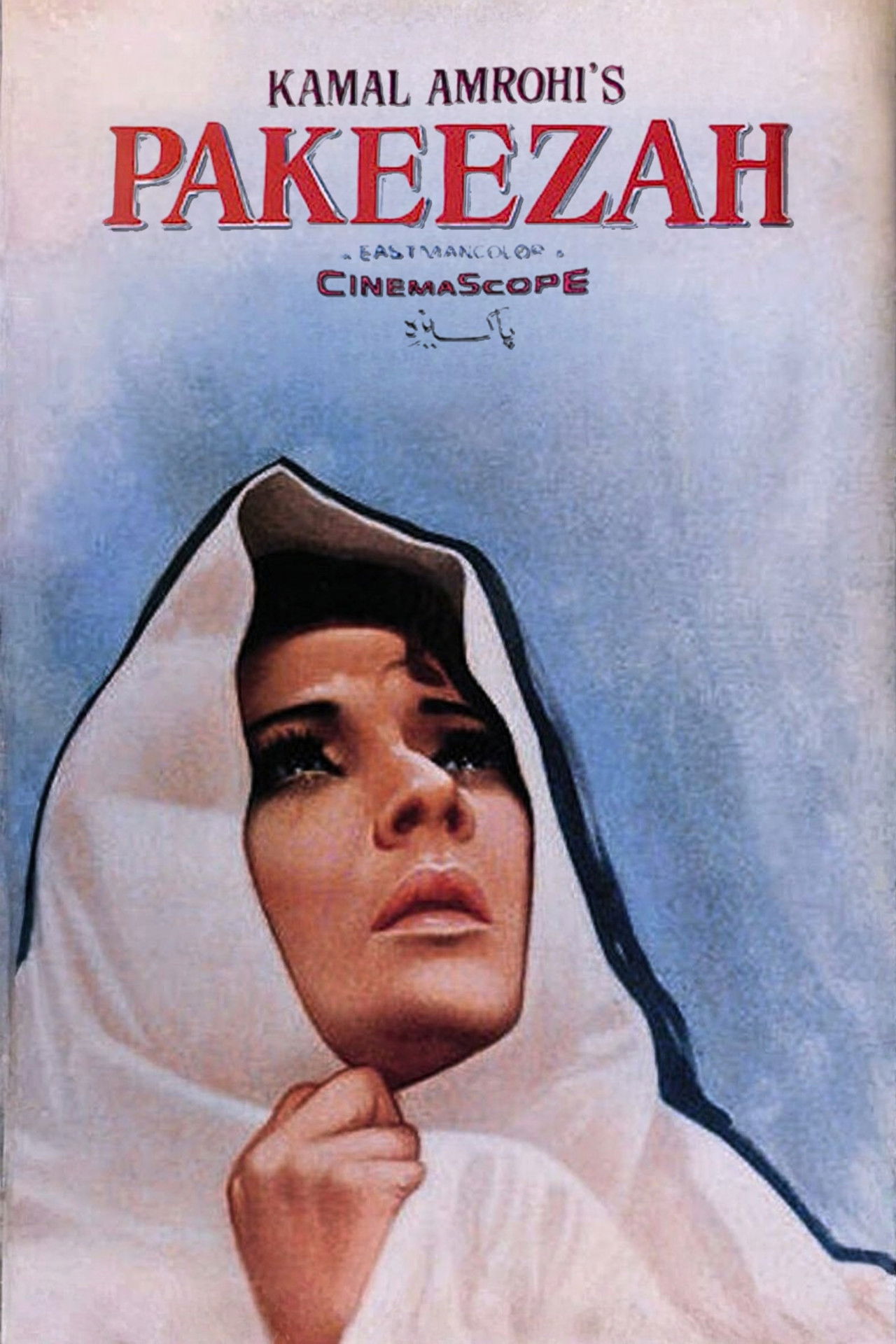 Pakeezah1972 · as Sahibjaan / NargisHer immortal role as the courtesan; released weeks before her death.
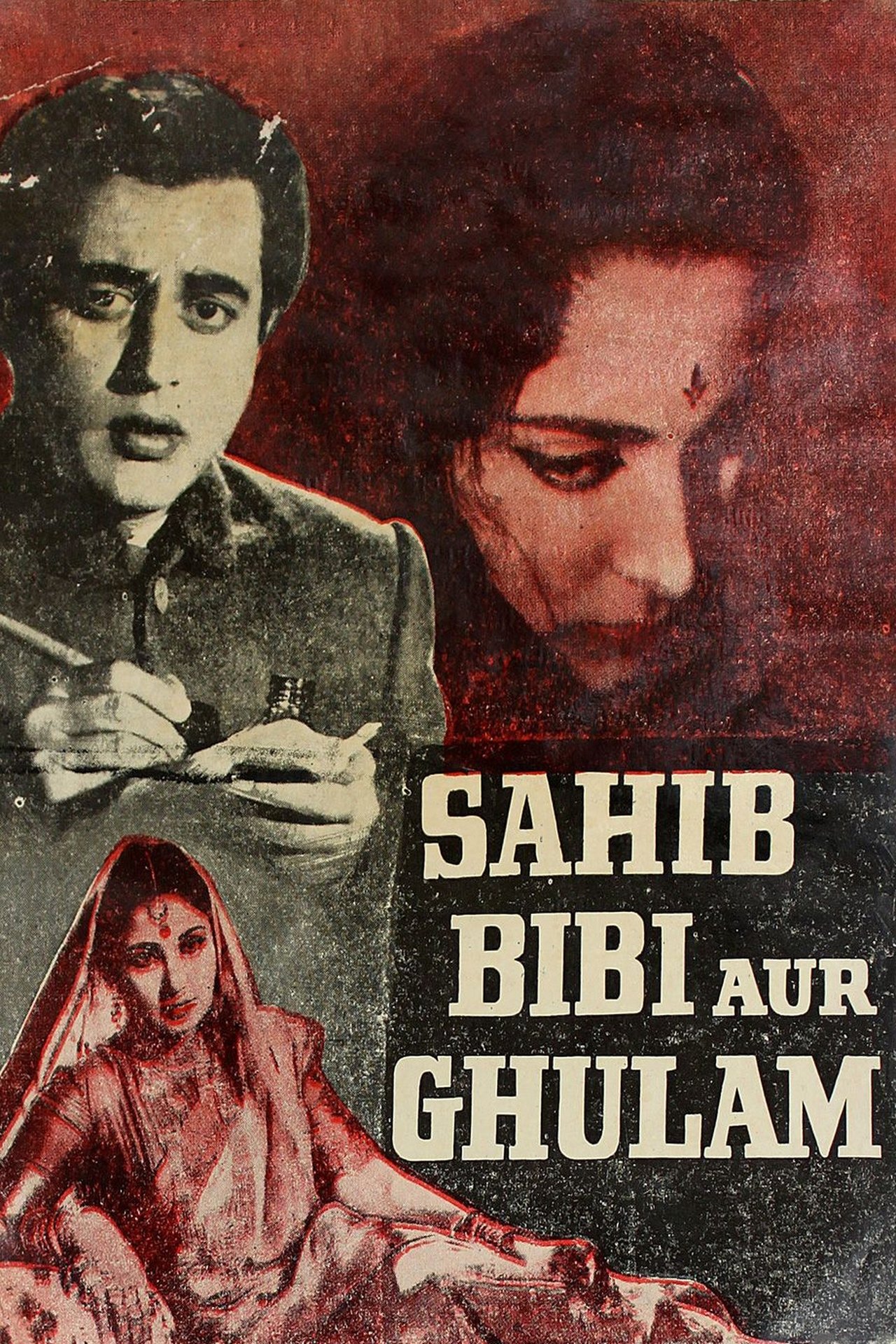 Sahib Bibi Aur Ghulam1962 · as Chhoti BahuThe lonely, drinking wife — one of her greatest performances.
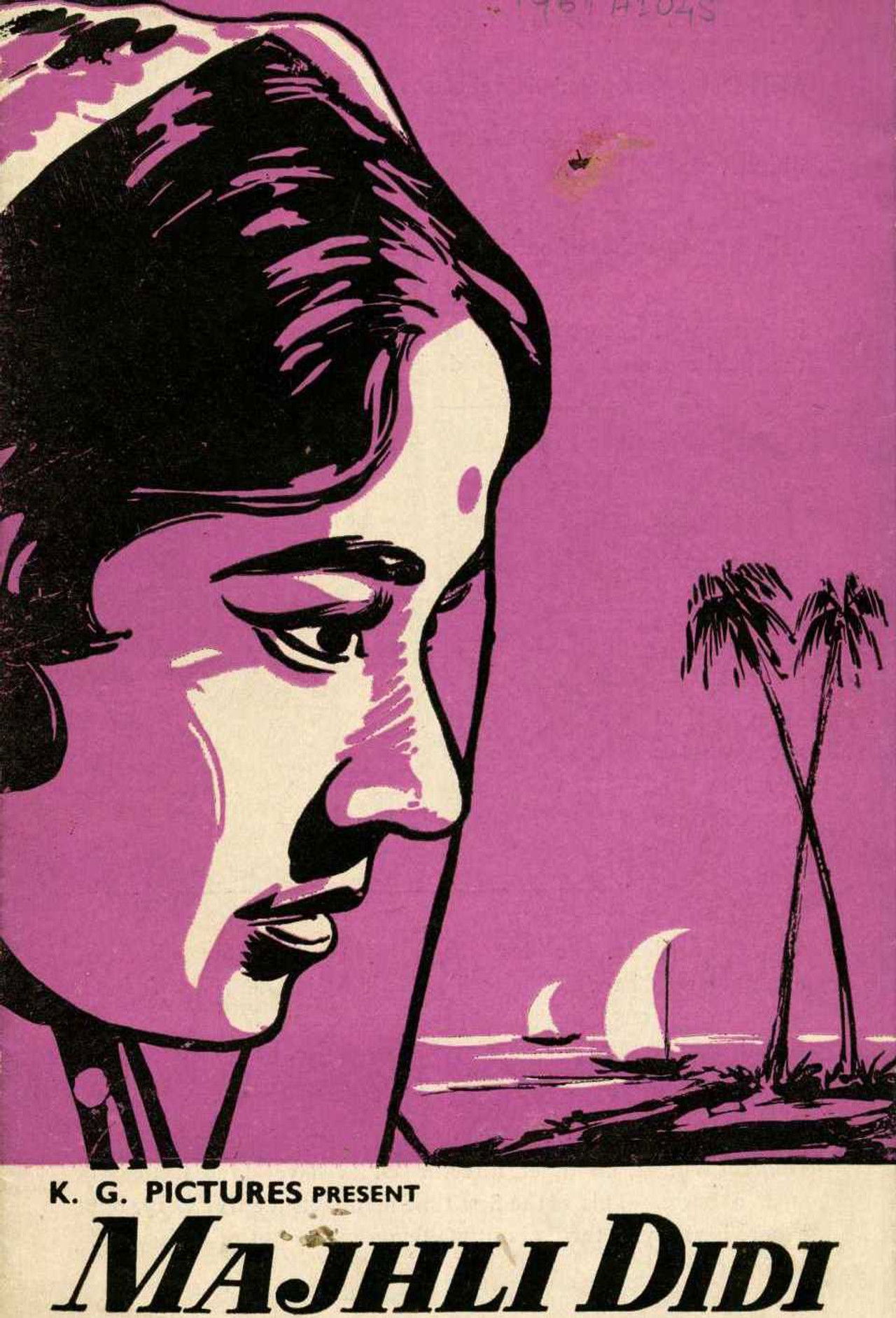 Majhli Didi1967 · as HemaHrishikesh Mukherjee's Sarat Chandra adaptation.
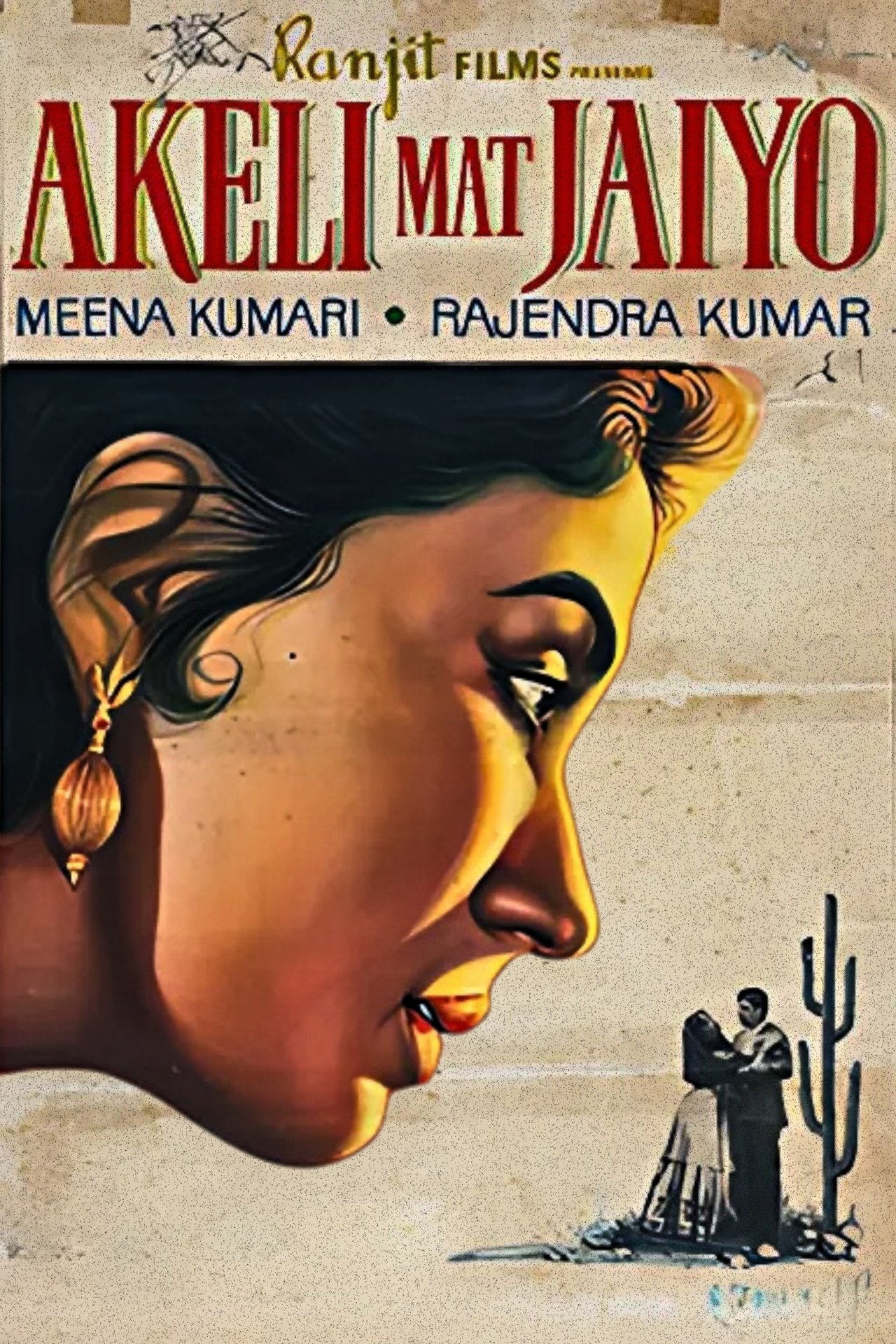 Akeli Mat Jaiyo1963 · as SeemaA lighter role in her celebrated 1960s run.
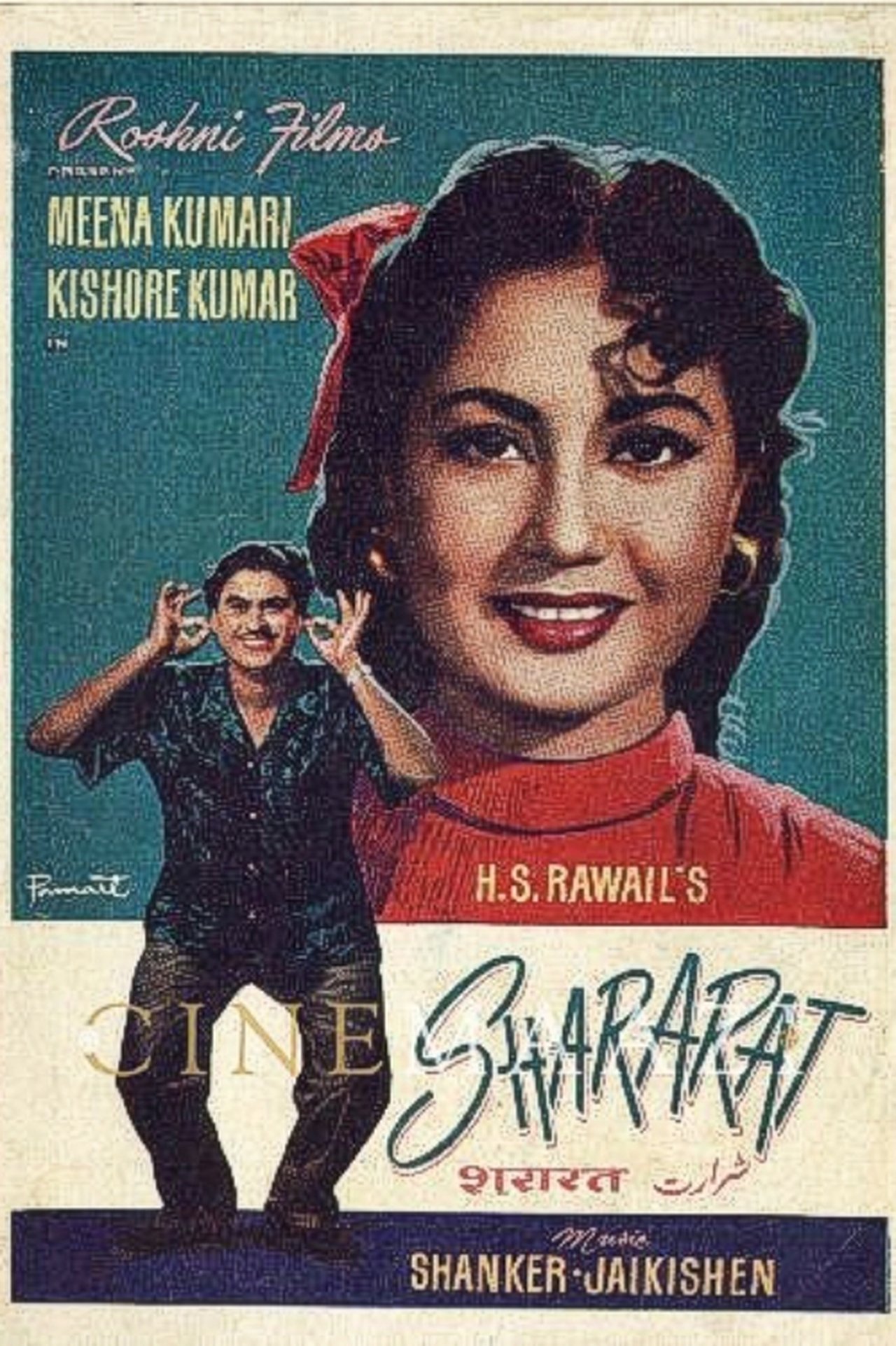 Shararat1959 · as ShabnamFrom the peak of her stardom.
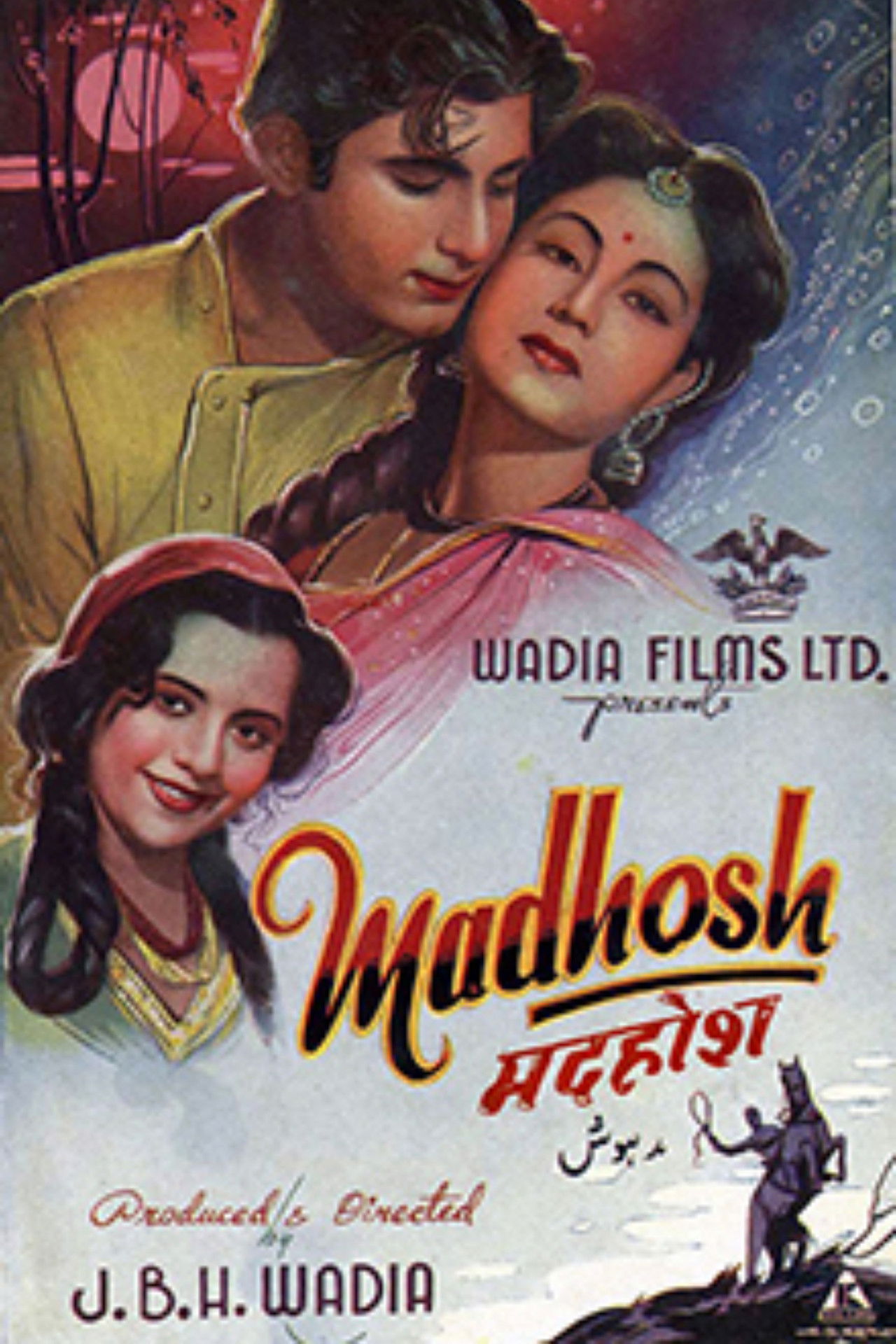 Madhosh1951 · as SoniAn early leading role.
In pictures
Meena Kumari — frequently asked questions
- Why was Meena Kumari called the Tragedy Queen?
- For her incomparable portrayals of grief and heartbreak in films like Sahib Bibi Aur Ghulam and Pakeezah — and because her real life, marked by an unhappy marriage, alcoholism and an early death, mirrored the sorrow she played on screen.
- What was Meena Kumari's real name?
- She was born Mahjabeen Bano in 1933, and acted as a child under the name 'Baby Meena' before becoming Meena Kumari.
- How did Meena Kumari die?
- She died of liver cirrhosis on 31 March 1972 at the age of 38, only weeks after her masterpiece Pakeezah was released in cinemas.
- Was Meena Kumari a poet?
- Yes. She wrote Urdu poetry under the pen name 'Naaz'; her verses, full of melancholy, were published after her death.
Sources
This page is an informational tribute drawn from public reporting and interviews. Sensitive or disputed incidents are described as alleged, and the canonical account always rests with the sources above.