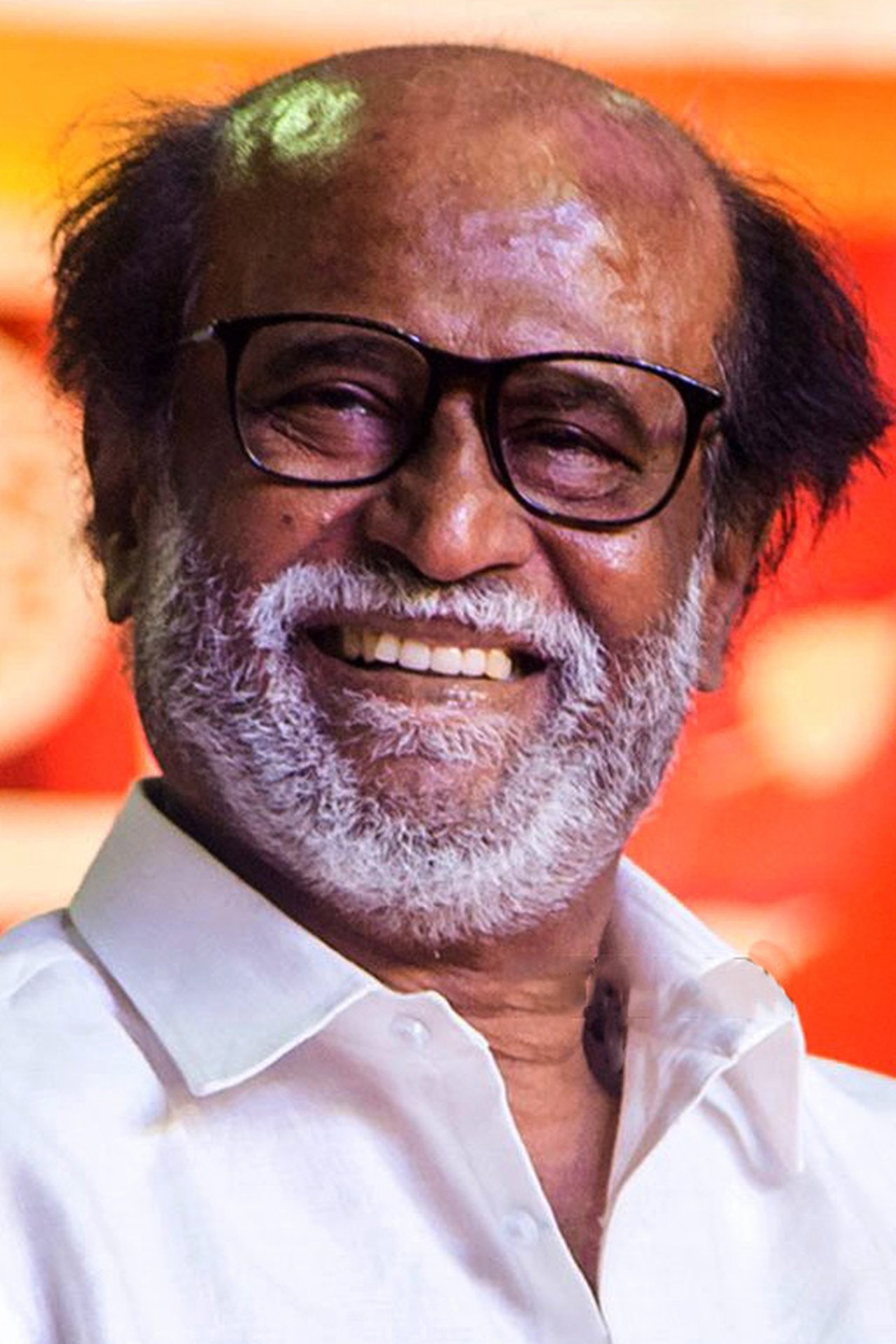
The Untold Story
Rajinikanth
Born Shivaji Rao Gaekwad
Actor · Tamil cinema · b. 1950
A bus conductor who was told his dark skin and rough looks would never work on screen became the most worshipped movie star in the world — fans literally bathe his posters in milk.
Rajinikanth is not merely a film star; in the Tamil-speaking world he is a phenomenon bordering on a deity, his releases turned into festivals and his posters garlanded and bathed in milk. Yet he began with nothing — a bus conductor and coolie from a poor Marathi family in Bangalore, repeatedly told his dark complexion and unconventional looks disqualified him from stardom. Through a drama school, a first mentor's faith and an unmistakable, inimitable style, he turned every supposed flaw into an asset and rose to become the highest-paid, most adored actor in Asian cinema. His is the definitive underdog-to-god story of Indian film.
- Tamil cinema
- Superstar
- Underdog
- Triumph
- Enthiran
Watch the 90-second story
- Born
- 12 December 1950 · Bangalore, India
- Era
- 1970s–present · Tamil cinema
- Known for
- Actor
The bus conductor
He was born Shivaji Rao Gaekwad in 1950 into a poor Marathi-speaking family in Bangalore, and lost his mother young. Before films he did hard, ordinary jobs — a coolie, a carpenter, and, most famously, a bus conductor with the Bangalore transport service, where he was known for the theatrical flair with which he handed out tickets and blew his whistle.
That flamboyance was the only hint of what was to come. There was nothing in his circumstances to suggest stardom — and plenty, according to the industry's narrow ideas about heroes, to rule it out.
The looks they said would never work
He trained at the Madras Film Institute, and the director K. Balachander spotted him and gave him his break, even suggesting the screen name Rajinikanth. But the industry's gatekeepers were sceptical: dark-skinned, lean, rough-featured, he was the opposite of the fair, soft romantic hero Tamil cinema then favoured. He was told, repeatedly, that he did not look like a star.
He began in villain and supporting roles. And then he did something audacious — instead of hiding his differences, he weaponised them. The flicked cigarette, the sunglasses spun onto his face, the swagger, the punch dialogues: he built a style so distinctive that audiences came to see not a character but Rajinikanth himself.
Superstar
By the 1980s and 90s he was the undisputed 'Superstar' of Tamil cinema. Films like Thalapathi (1991), Baasha (1995) and Muthu (1995) turned him into a mass icon; Muthu even made him a sensation in Japan. His mannerisms became catchphrases; his releases became public holidays in spirit if not in law.
The adoration reached a pitch few stars anywhere have known. Fans built temples to him, performed rituals before his films, and poured milk over giant cutouts on release day. His pay soared to the highest in Indian cinema, and Sivaji (2007) and the sci-fi spectacle Enthiran (2010) confirmed his standing as a pan-Indian and global draw.
The god who stayed humble
What sealed the legend was that, off screen, Rajinikanth remained strikingly unassuming — often appearing in public bald, plainly dressed, without the wigs and glamour of his films, openly spiritual and self-deprecating. The gap between the on-screen god and the humble man became part of the worship.
For decades fans and parties urged him into politics; he flirted with a full-time entry and, in 2020, announced a political party before withdrawing on grounds of health. But whatever he does off screen, the core story stands: a milkless, motherless bus conductor whom everyone said was too dark and too ordinary to be a hero became the most worshipped movie star on earth. Few triumphs in cinema are so complete.
Controversies & scandals
The episodes that defined — and sometimes derailed — the career, laid out with what was alleged, what was proven, and what stayed a rumour.
- Documented1996–2021
The long tease of a political career
For over two decades Rajinikanth kept Tamil Nadu guessing about entering politics, finally launching a party in 2020 only to withdraw months later citing his health.
Read the full story → - Documented1970s
Rejected for his looks
Early in his career Rajinikanth was widely told that his dark complexion and unconventional features made him unfit to be a leading man — a prejudice he overturned by turning his style into his identity.
Read the full story →
Life & career timeline
- Born in BangaloreBorn Shivaji Rao Gaekwad into a poor Marathi family.
- 1970sBus conductorWorks as a coolie, carpenter and Bangalore bus conductor before films.
- 1975Debut under K. BalachanderBreaks in with Apoorva Raagangal; given the name Rajinikanth.
- 1980sRise to 'Superstar'Turns his distinctive style into mass stardom in Tamil cinema.
- 1991ThalapathiMani Ratnam's acclaimed drama cements his iconic status.
- 1995Baasha & MuthuBlockbusters that make him a mass legend; Muthu is a hit in Japan.
- 2010EnthiranThe sci-fi spectacle confirms his pan-Indian, global draw.
- 2020–21Politics, then notAnnounces a political party, then withdraws citing his health.
Essential Rajinikanth films
The roles that defined the career — tap through for where to stream each in India.
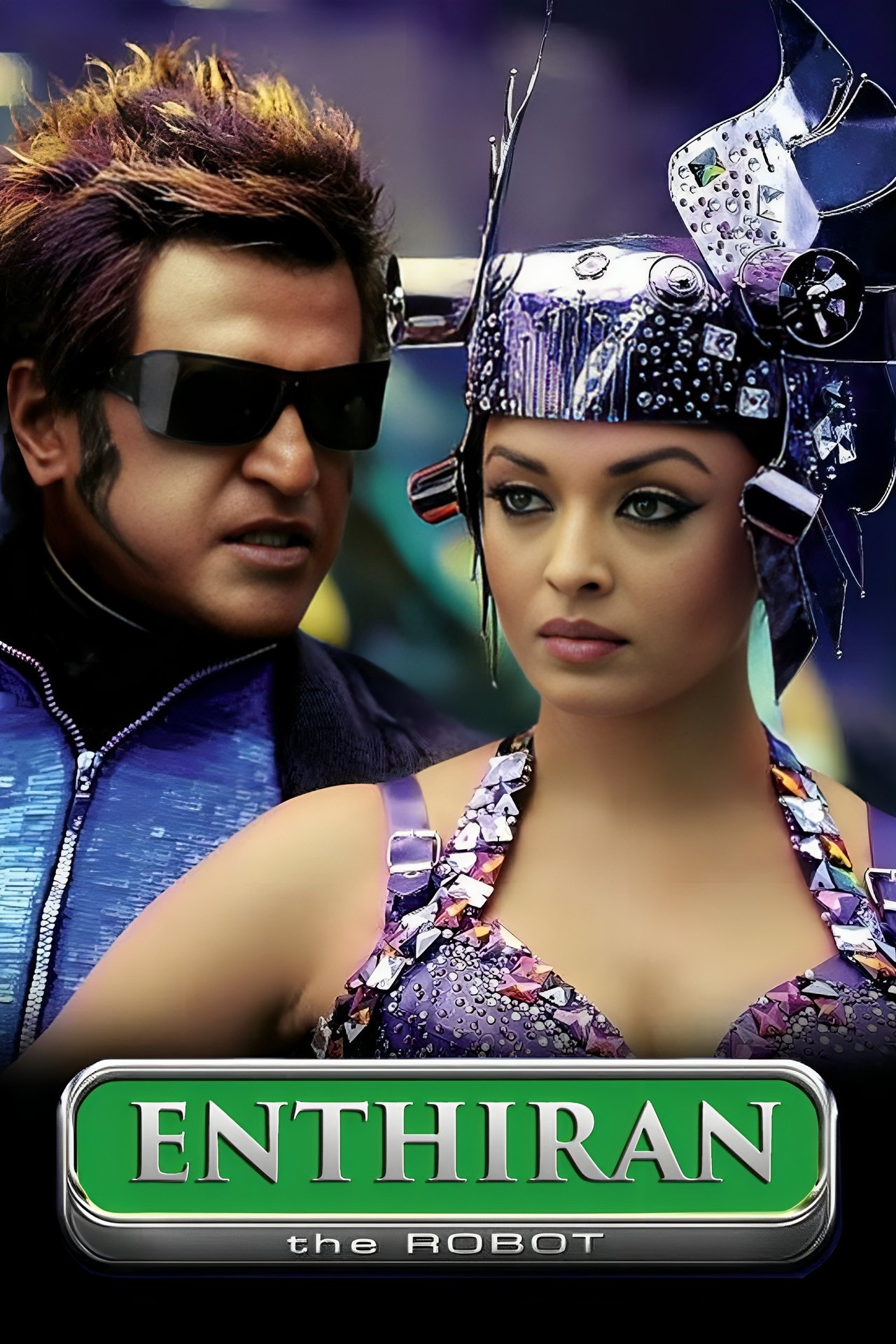 Enthiran2010 · as Dr. Vaseegaran / ChittiThe sci-fi spectacle that became one of India's biggest films.
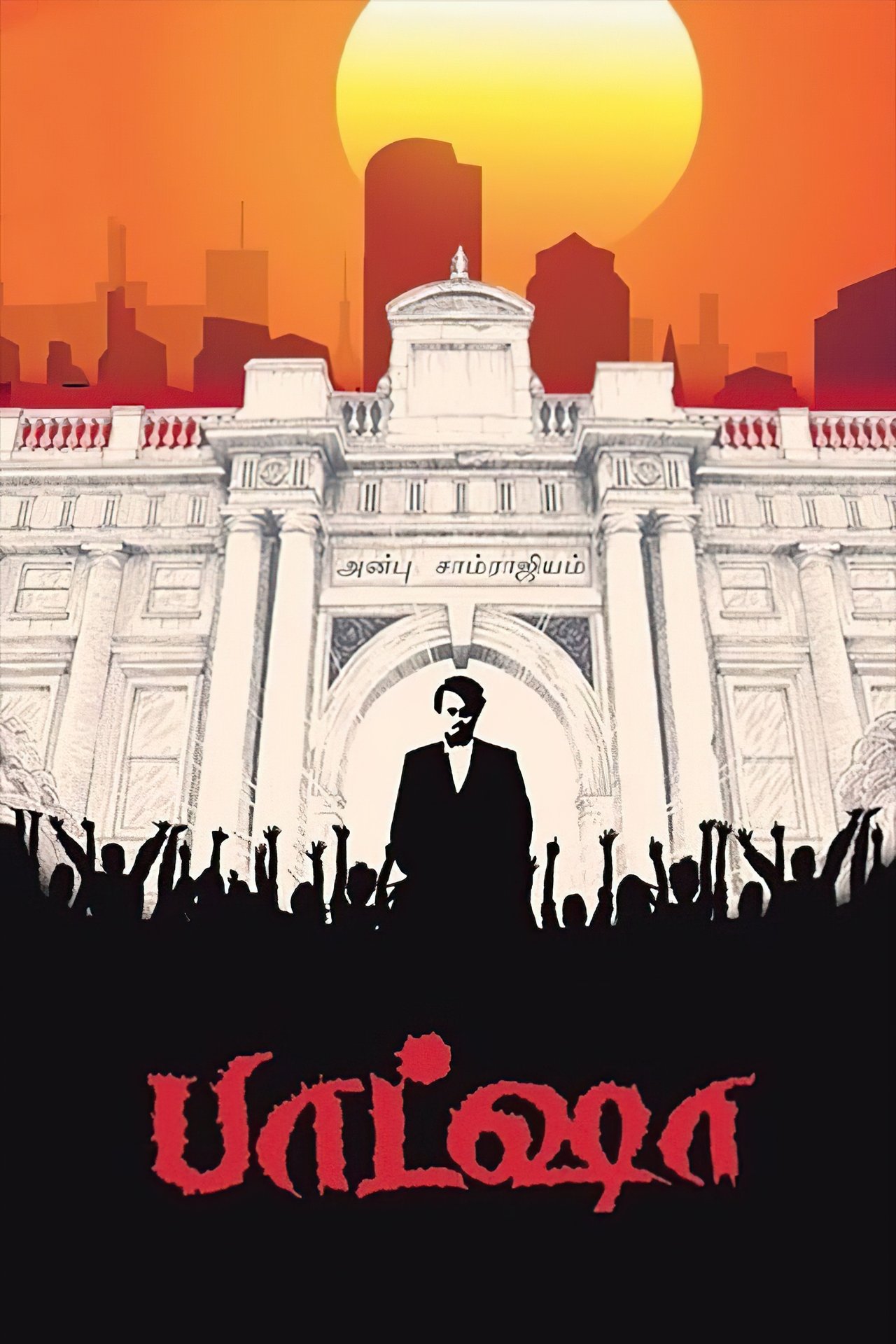 Baasha1995 · as Manikkam / BaashaA career-defining mass blockbuster.
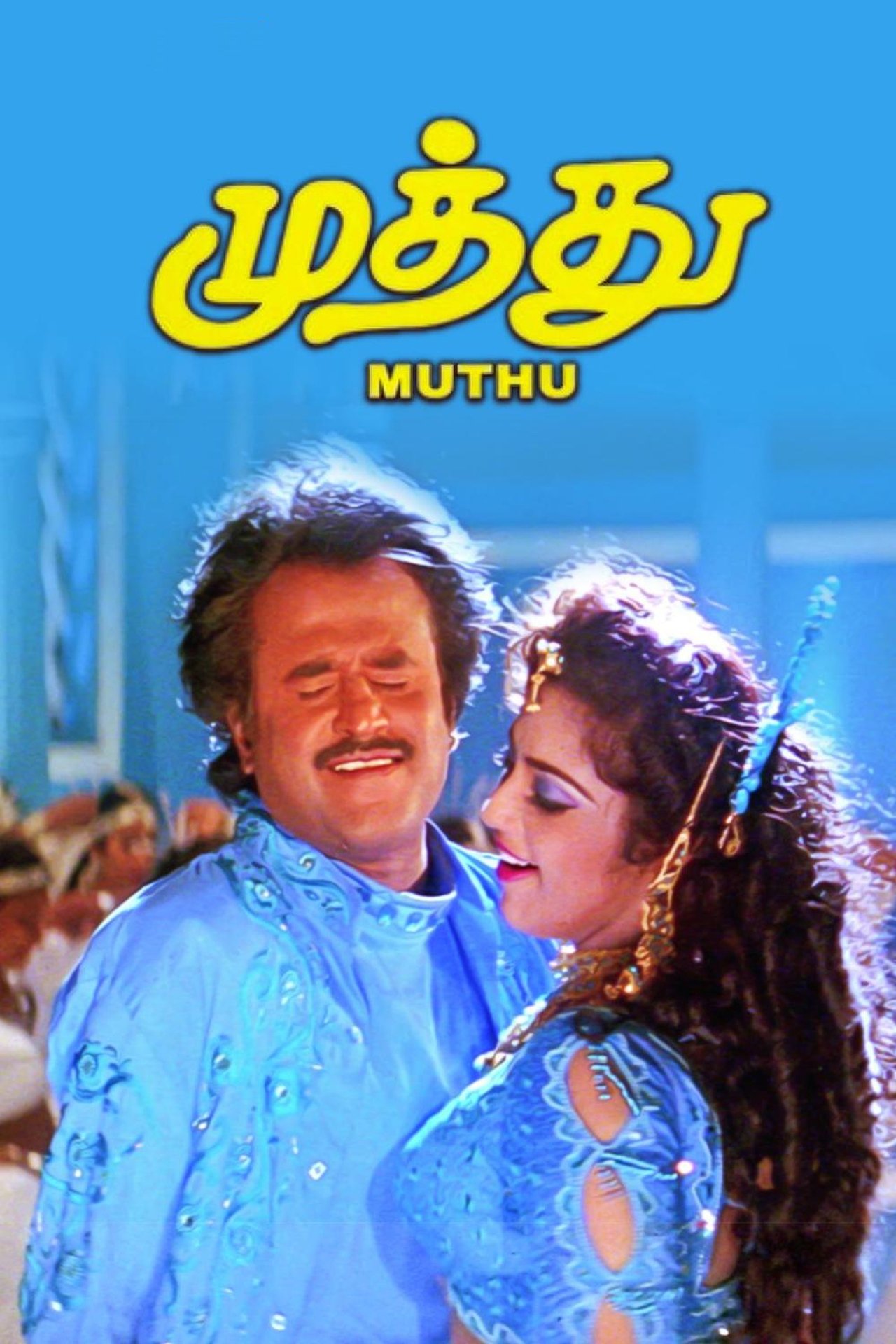 Muthu1995 · as MuthuThe film that made him a sensation in Japan.
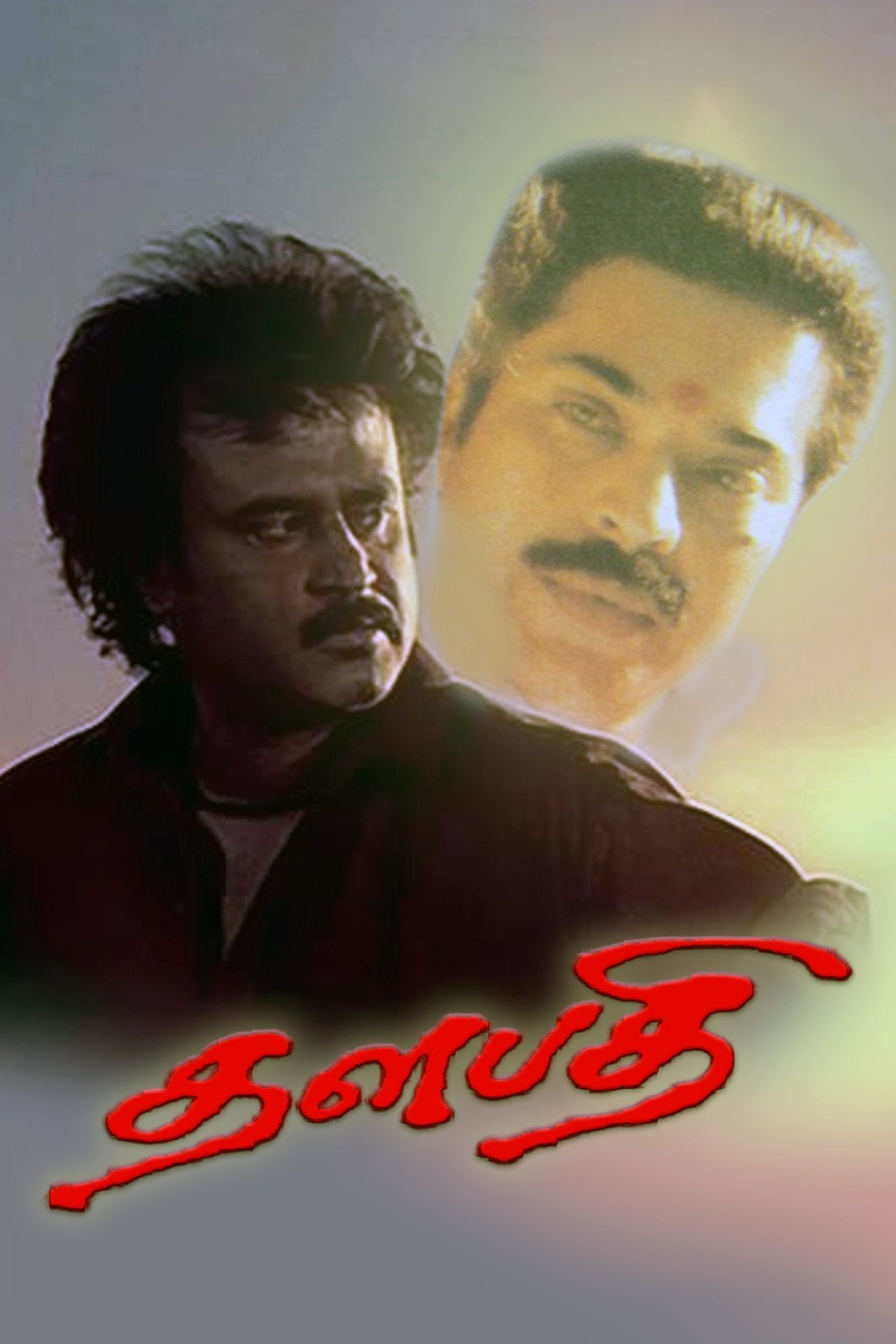 Thalapathi1991 · as SuryaMani Ratnam's acclaimed drama, among his finest work.
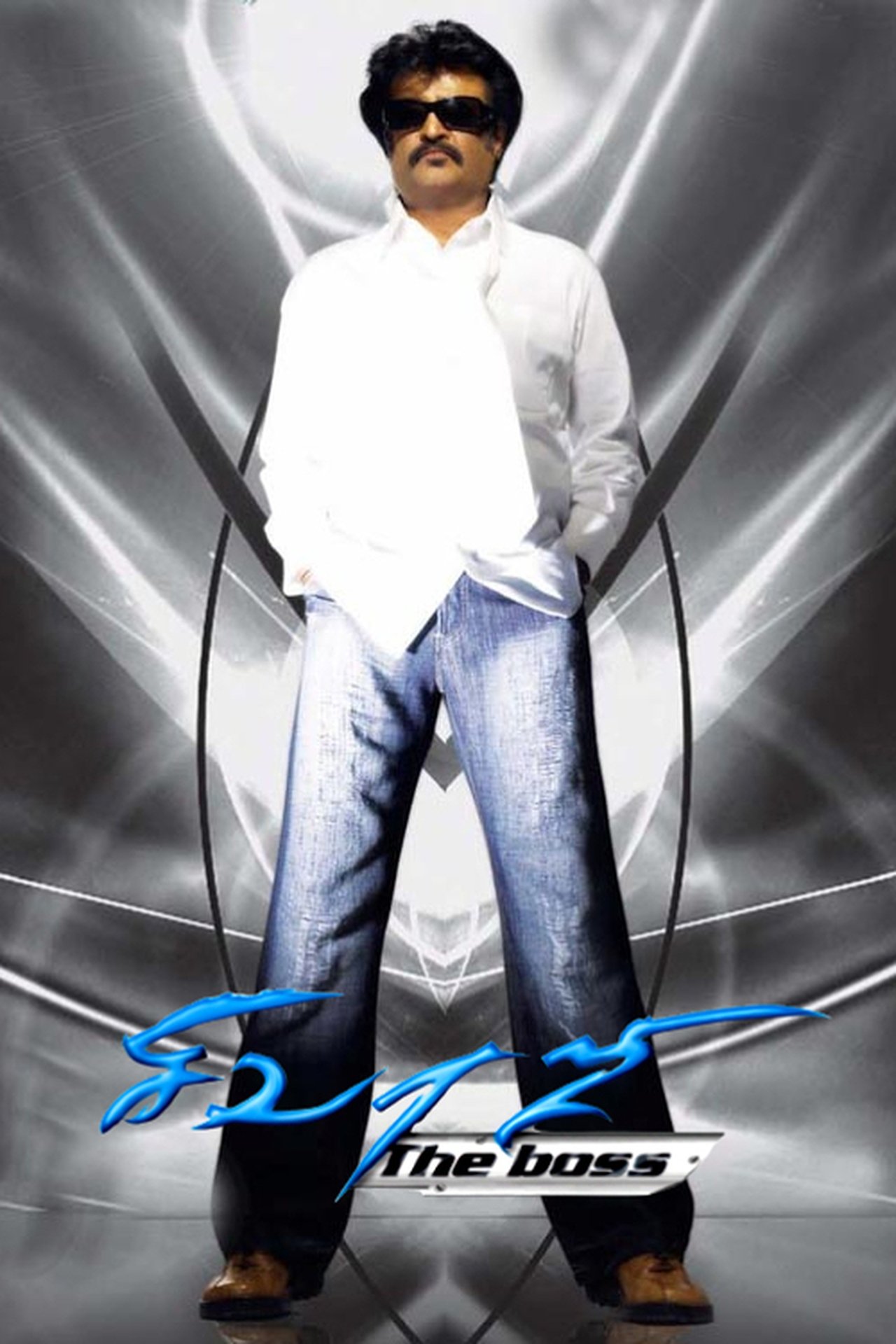 Sivaji: The Boss2007 · as SivajiA lavish blockbuster that reset his box-office scale.
 Kabali2016 · as KabaleeswaranA global release that broke records across markets.
In pictures
Rajinikanth — frequently asked questions
- What was Rajinikanth's job before films?
- Among other jobs he worked as a bus conductor with the Bangalore transport service, known for his theatrical flair, as well as a coolie and carpenter, before training at the Madras Film Institute.
- What is Rajinikanth's real name?
- He was born Shivaji Rao Gaekwad in 1950 into a Marathi-speaking family in Bangalore. Director K. Balachander gave him the screen name Rajinikanth.
- Why is Rajinikanth so popular?
- Beyond his hits, his inimitable style and mannerisms created a persona fans worship almost religiously — garlanding and bathing his posters in milk — while his humility off screen deepened the devotion. He became the highest-paid and most adored star in Indian cinema.
- Did Rajinikanth join politics?
- After decades of speculation he announced a political party in December 2020, but withdrew from the plan in early 2021, citing a health scare and medical advice.
Sources
This page is an informational tribute drawn from public reporting and interviews. Sensitive or disputed incidents are described as alleged, and the canonical account always rests with the sources above.