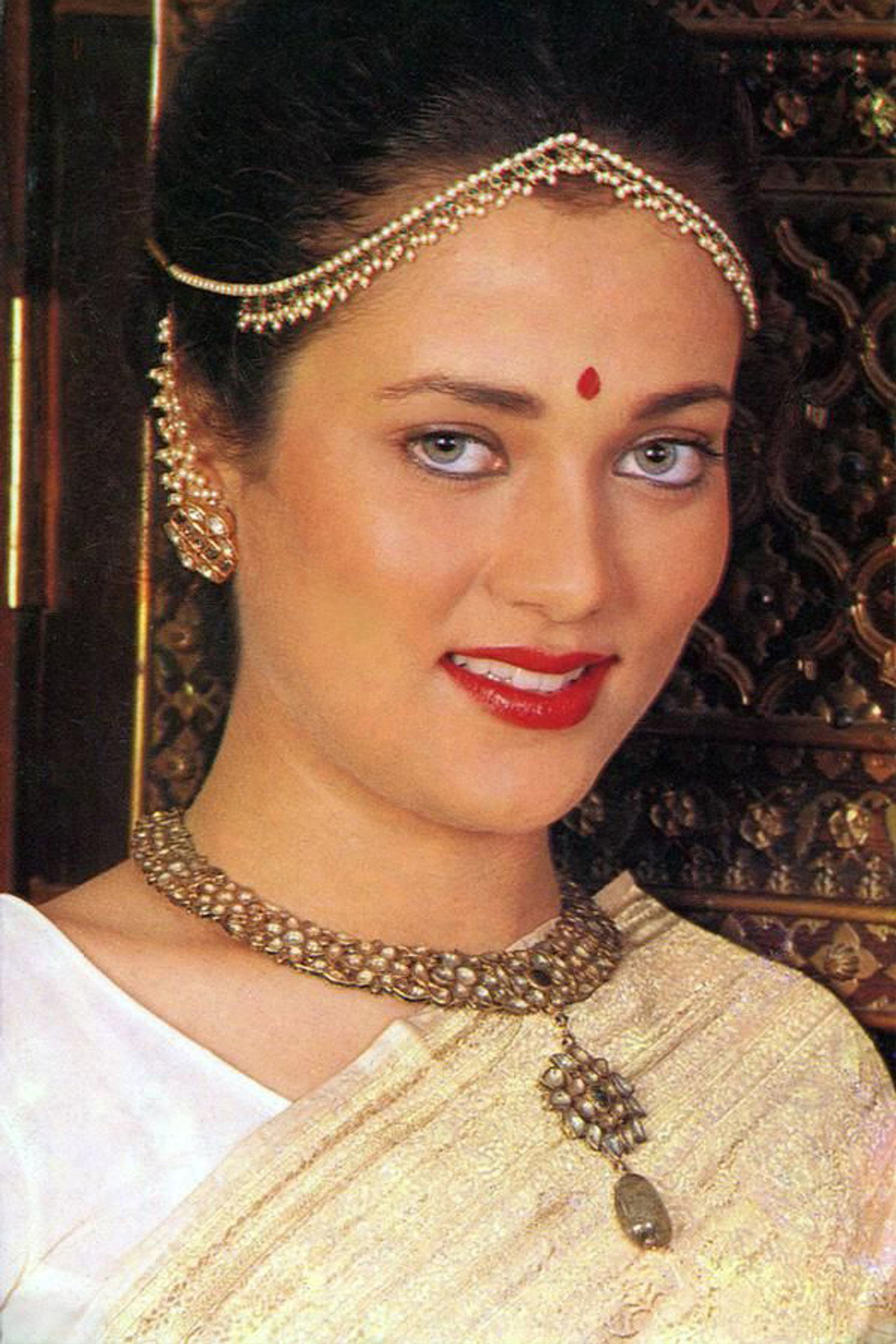
The Untold Story
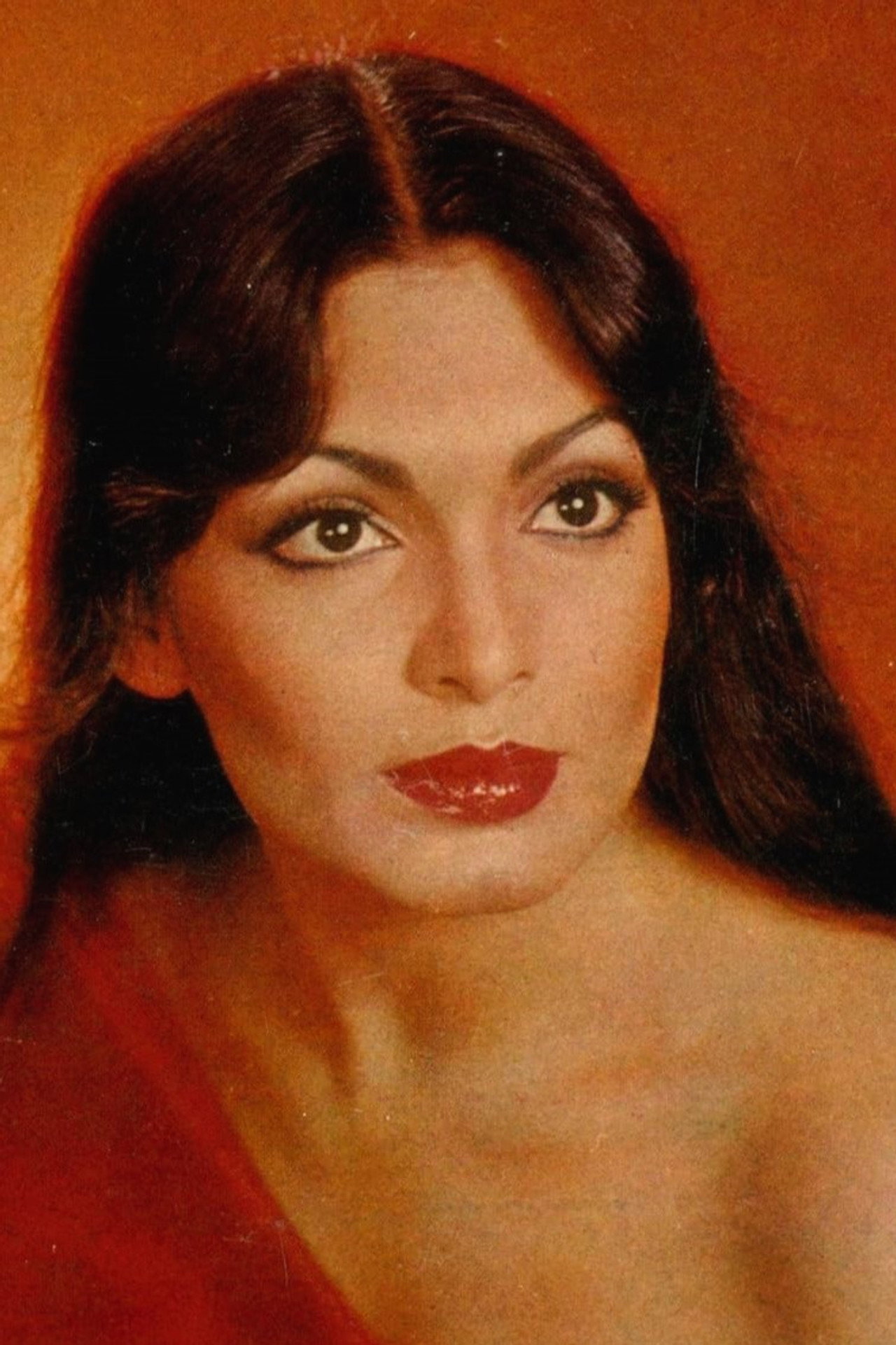
Parveen Babi
Born Parveen Wali Mohammad Khan Babi
Actress · Hindi cinema · 1949 – 2005
The first Indian actress on the cover of TIME — who spent her last years barricaded in a Mumbai flat, convinced the world was out to kill her, and died there alone.
Parveen Babi was the glamorous face of 1970s Hindi cinema — the Westernised, cigarette-holding modern woman who lit up Deewaar, Amar Akbar Anthony and Namak Halaal opposite Amitabh Bachchan, and became the first Indian actor on the cover of TIME magazine. Then, at the height of her fame, paranoid schizophrenia consumed her. She vanished from films, made wild public accusations, drifted through spiritual searches abroad, and finally shut herself away. In January 2005 her body was found in her locked Juhu apartment, days after she had died, alone.
- Bollywood
- 1970s
- Glamour
- Tragedy
- Mental health
Watch the 90-second story
- Born
- 4 April 1949 · Junagadh, Saurashtra, India
- Died
- 20 January 2005 · aged 55 · reported diabetes-related organ failure; found days after death
- Era
- 1970s–80s · Hindi cinema
- Known for
- Actress
The Junagadh girl who became the face of the seventies
Parveen Babi was born in 1949 in Junagadh, the only child of a Muslim family descended from the Babi dynasty of Gujarat. She was a convent-educated, English-speaking young woman who came to Bombay as a model, and the camera loved her instantly.
She arrived just as Hindi cinema was inventing a new kind of heroine: urban, glamorous, unapologetically modern. Where earlier stars had played the demure Indian daughter, Parveen played the confident, Westernised woman in a trouser suit — and audiences had never seen anything quite like her.
Deewaar, Amitabh, and the TIME cover
Her breakthrough came opposite Amitabh Bachchan, with whom she formed one of the decade's most magnetic screen pairings. In Deewaar (1975) she was Anita, the doomed love of the angry young man; in Amar Akbar Anthony (1977), Namak Halaal (1982), Kaala Patthar (1979), Shaan (1980) and Kaalia (1981) she was the glamour anchor of some of the biggest hits of the era.
In 1976, TIME magazine put her on its cover as the face of Indian cinema's new wave — reportedly the first Indian film star to be so featured. At that moment she looked like the future of Bollywood glamour.
The illness that took everything
By the early 1980s something was badly wrong. Parveen began telling friends and journalists that she was being followed, that powerful people were trying to kill her, that international conspiracies were closing in on her. She was diagnosed with paranoid schizophrenia.
She left films abruptly and travelled abroad in search of help and meaning — a period that included time with the spiritual teacher U. G. Krishnamurti, whom she both leaned on and later turned against. She returned to India altered, withdrawn, and increasingly unable to trust anyone. The glamorous star of the seventies had become a frightened recluse.
Alone in a locked flat
For her final years Parveen Babi lived alone in her apartment in Juhu, Mumbai, rarely opening the door, ordering what she needed and keeping the world at bay. She had no husband and no children.
On 20 January 2005 her body was discovered in the flat after neighbours noticed uncollected milk and newspapers piling up; she had been dead for days. She was 55. The woman who had once been on the cover of TIME died as anonymously as it is possible for a famous person to die — a tragedy that made her, in death, a symbol of how cruelly mental illness and stardom can collide.
Controversies & scandals
The episodes that defined — and sometimes derailed — the career, laid out with what was alleged, what was proven, and what stayed a rumour.
- Attributed to illness1980s–2000s
The conspiracy accusations
In the grip of paranoid schizophrenia, Parveen Babi publicly accused a string of powerful figures — including politicians and film personalities — of plotting to kill her. The claims were never substantiated and are understood as symptoms of her illness.
Read the full story → - Documented1970s–80s
The relationships with Kabir Bedi and Mahesh Bhatt
Parveen's live-in relationships — notably with actor Kabir Bedi and later filmmaker Mahesh Bhatt — were unconventional for their time, and Bhatt drew on her mental illness for two of his films.
Read the full story →
Life & career timeline
- Born in JunagadhBorn into the Babi family of Gujarat, an only child.
- 1973Film debutEnters Hindi films after a modelling career, quickly becoming a glamour star.
- 1975DeewaarPlays Anita opposite Amitabh Bachchan in the landmark hit.
- 1976TIME magazine coverFeatured as the face of Indian cinema — reportedly the first Indian star on TIME's cover.
- 1977–82Peak stardomAmar Akbar Anthony, Shaan, Namak Halaal and more make her one of the decade's top heroines.
- 1980sIllness and withdrawalDiagnosed with paranoid schizophrenia; leaves films and travels abroad.
- 1990s–2000sThe recluse yearsLives alone in her Juhu flat, rarely seen in public.
- Death, aloneFound dead in her locked apartment, days after dying, aged 55.
Essential Parveen films
The roles that defined the career — tap through for where to stream each in India.
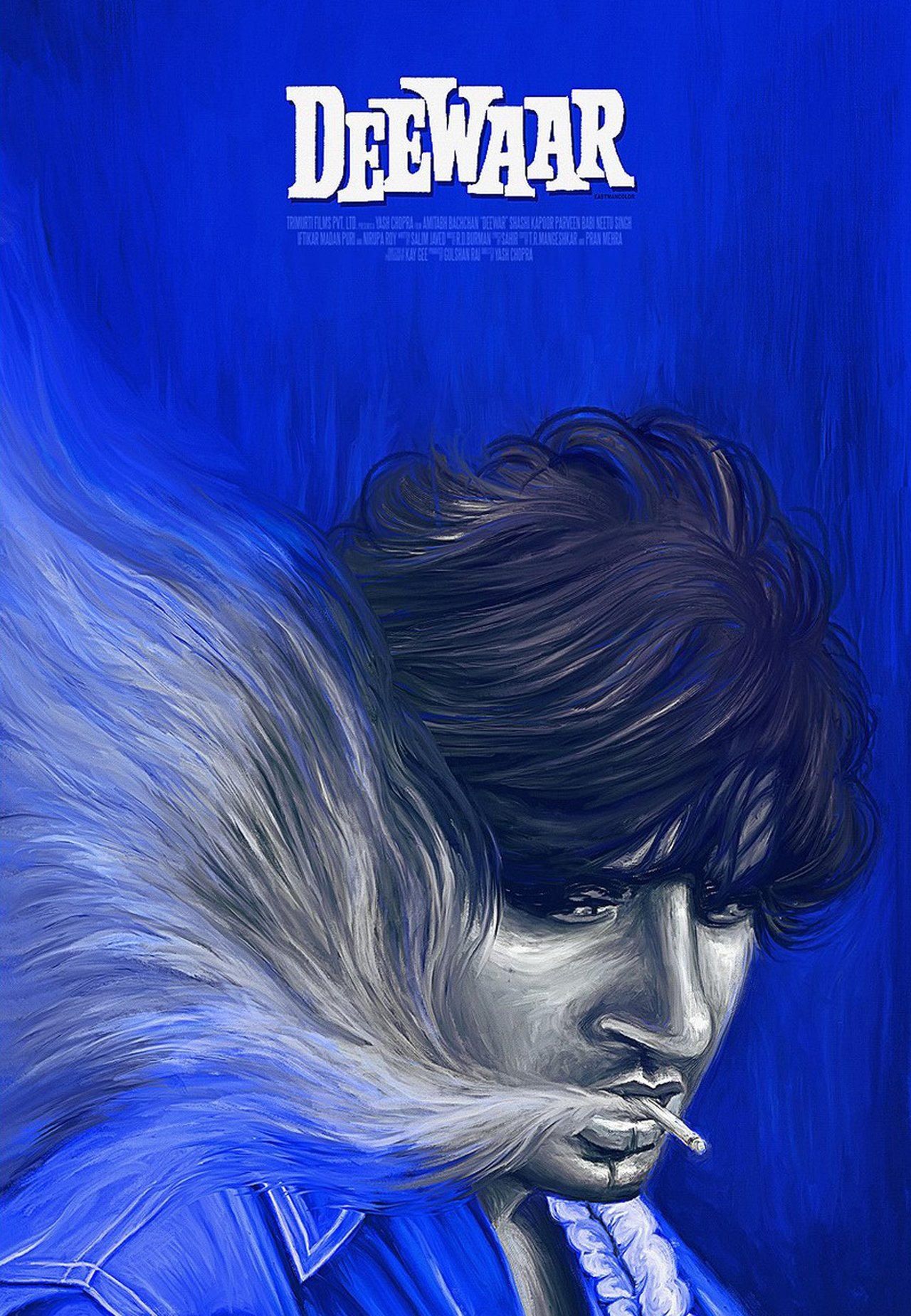 Deewaar1975 · as AnitaHer defining role, opposite Amitabh Bachchan's angry young man.
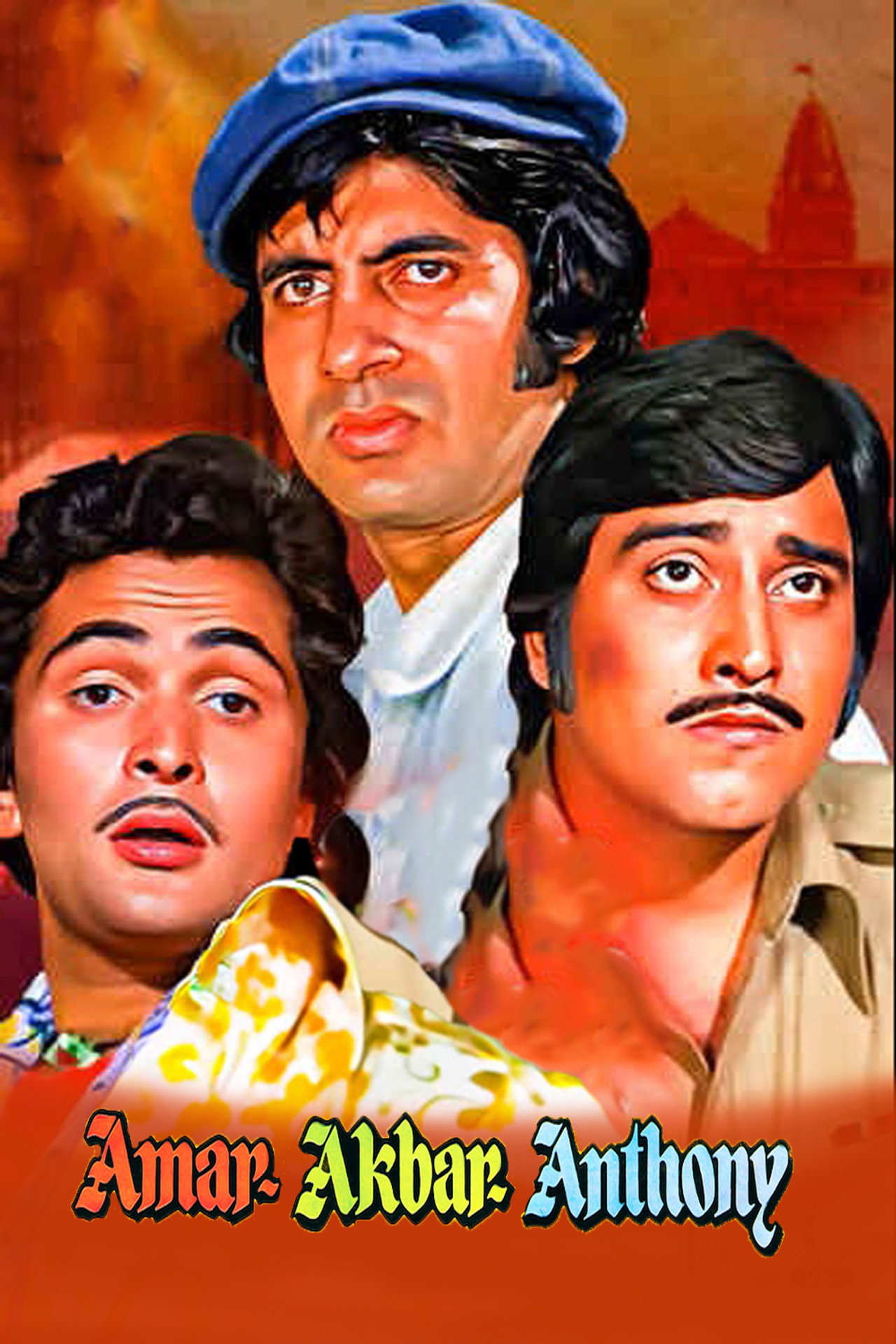 Amar Akbar Anthony1977 · as JennyThe multi-starrer blockbuster of the decade.
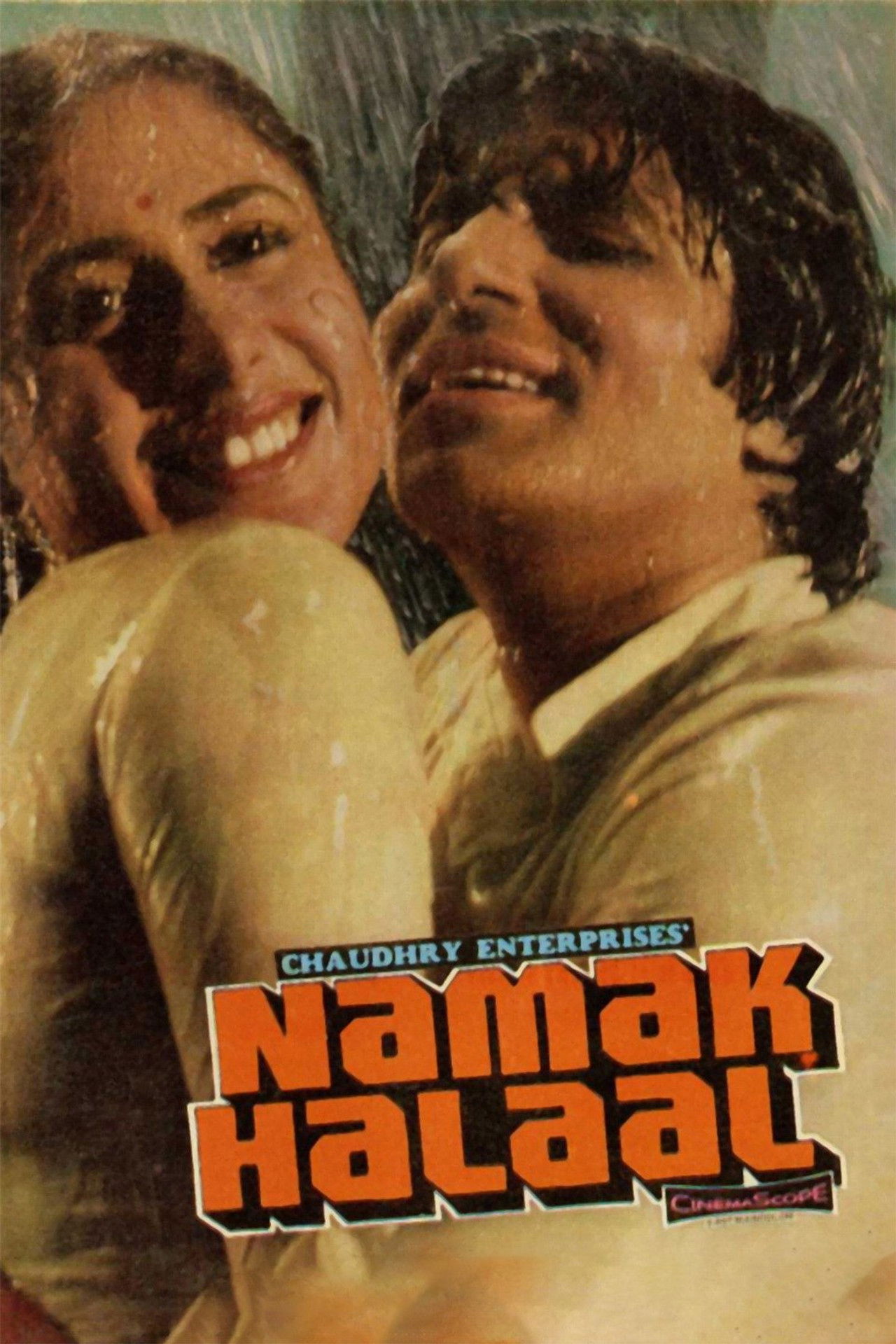 Namak Halaal1982 · as NishaGlamour opposite Amitabh Bachchan at her peak.
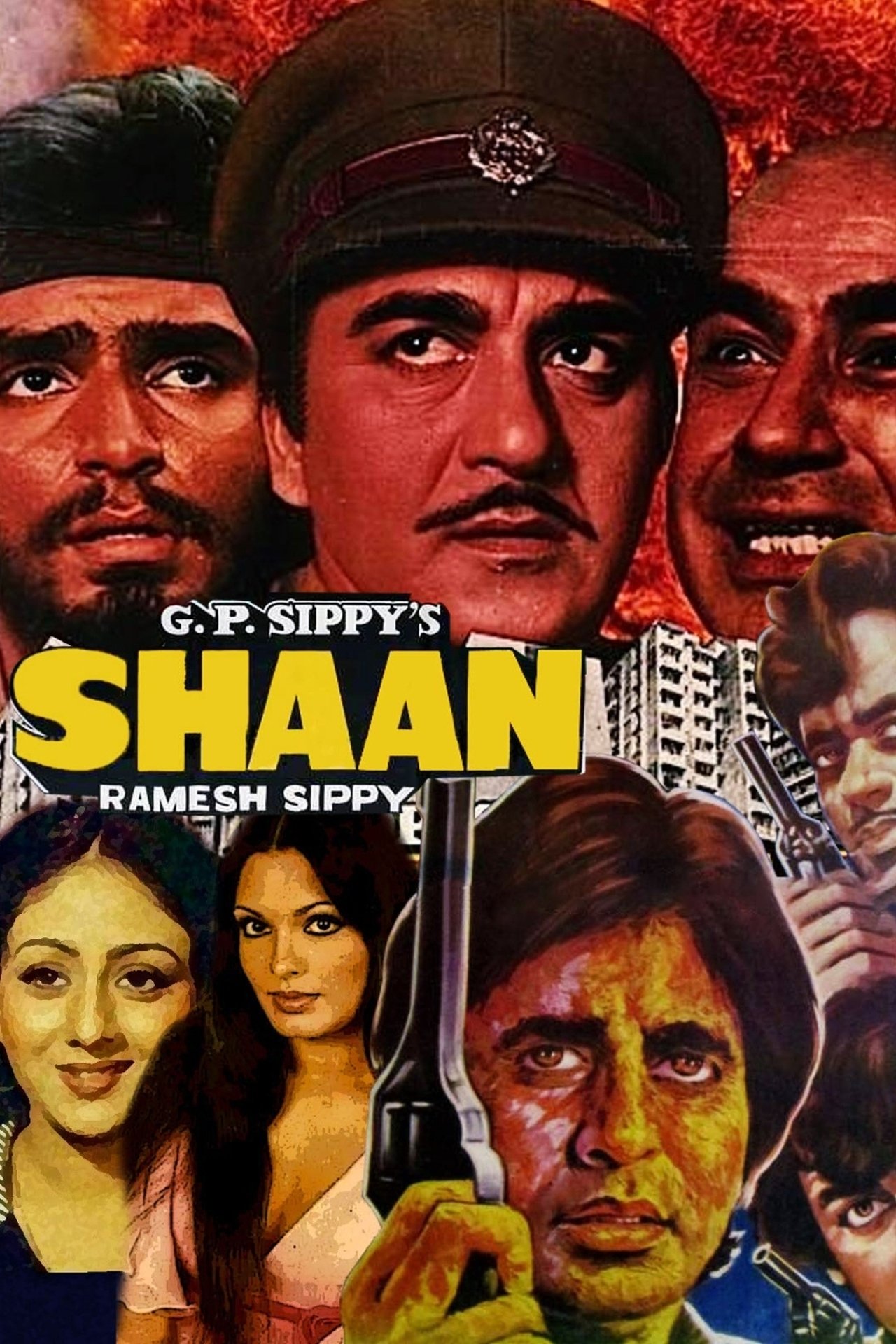 Shaan1980 · as SunitaRamesh Sippy's big-budget adventure.
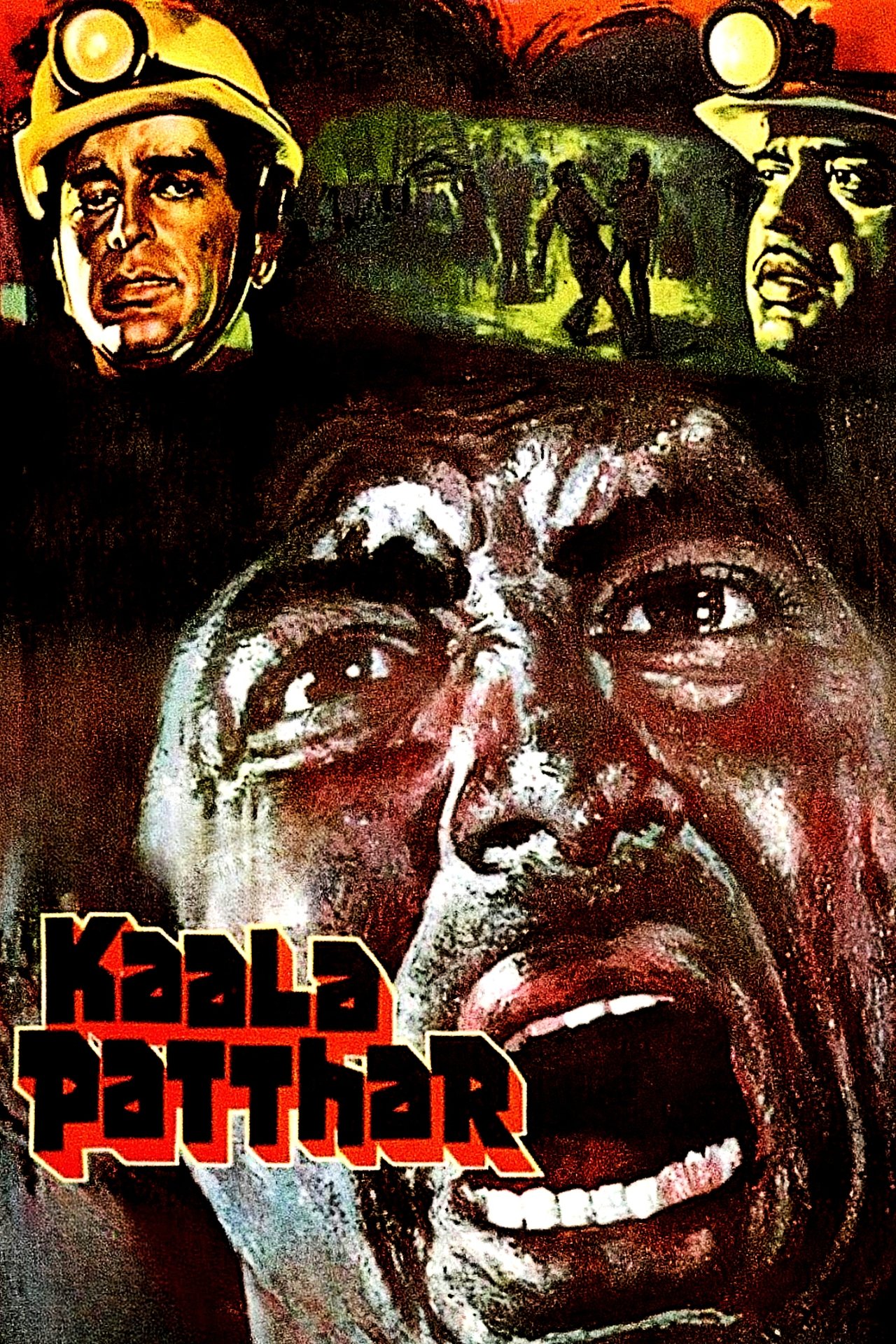 Kaala Patthar1979 · as AnitaYash Chopra's coal-mine drama.
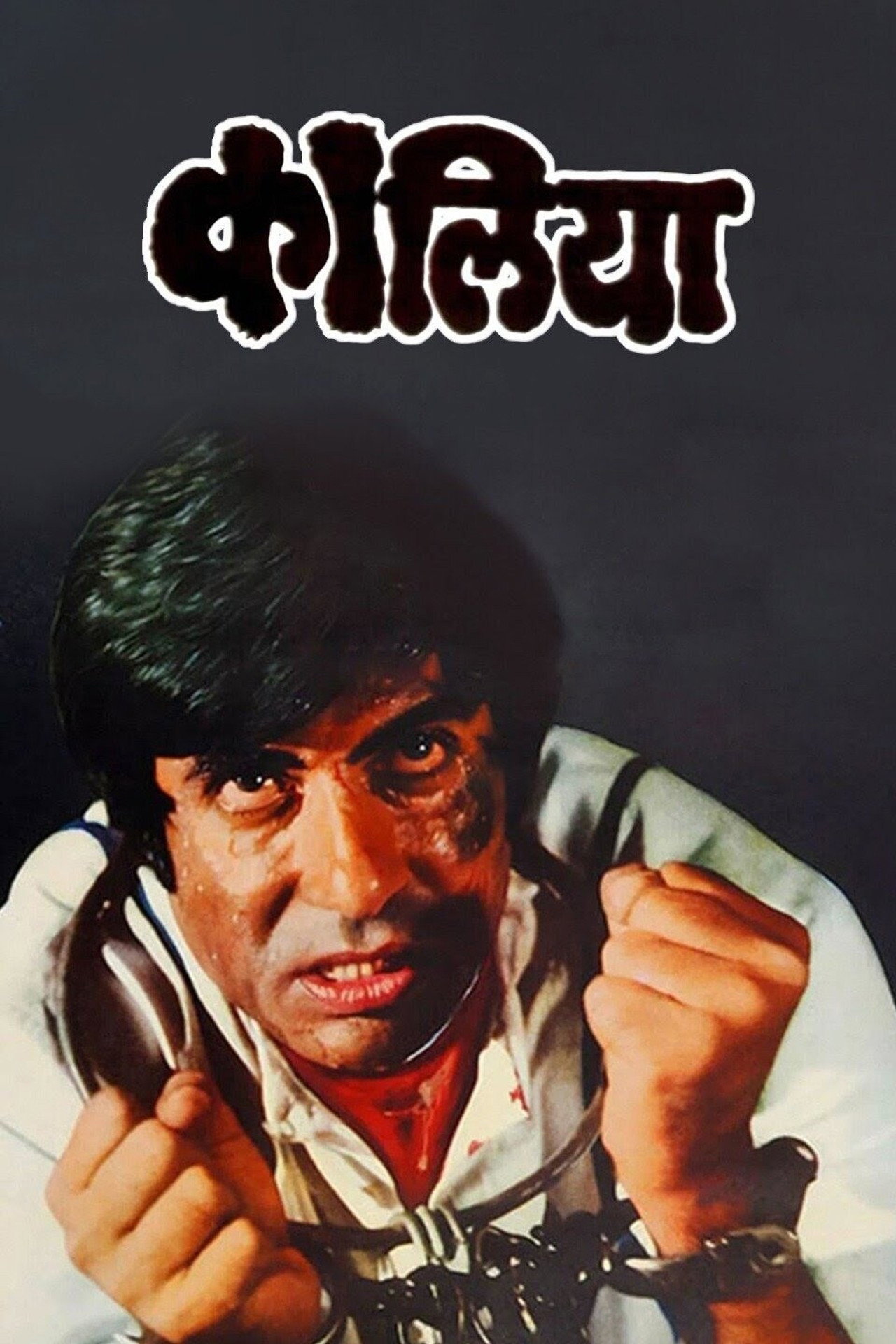 Kaalia1981 · as ShaliniAnother hit opposite Amitabh Bachchan.
In pictures
Parveen Babi — frequently asked questions
- What illness did Parveen Babi have?
- She was diagnosed with paranoid schizophrenia, which led her to make unsubstantiated public accusations of conspiracies against her life and eventually to withdraw entirely from public life.
- Was Parveen Babi really on the cover of TIME?
- Yes. In 1976 she was featured on the cover of TIME magazine as the face of India's film industry, reportedly the first Indian film star to appear there.
- How did Parveen Babi die?
- She died alone in her locked Juhu apartment in Mumbai in January 2005, aged 55; her body was found days later after neighbours noticed uncollected milk and newspapers. Reports attributed her death to diabetes-related complications.
- Was Parveen Babi married?
- No. She never married. She had well-known relationships with actor Kabir Bedi and filmmaker Mahesh Bhatt, but spent her final years living entirely alone.
Sources
This page is an informational tribute drawn from public reporting and interviews. Sensitive or disputed incidents are described as alleged, and the canonical account always rests with the sources above.