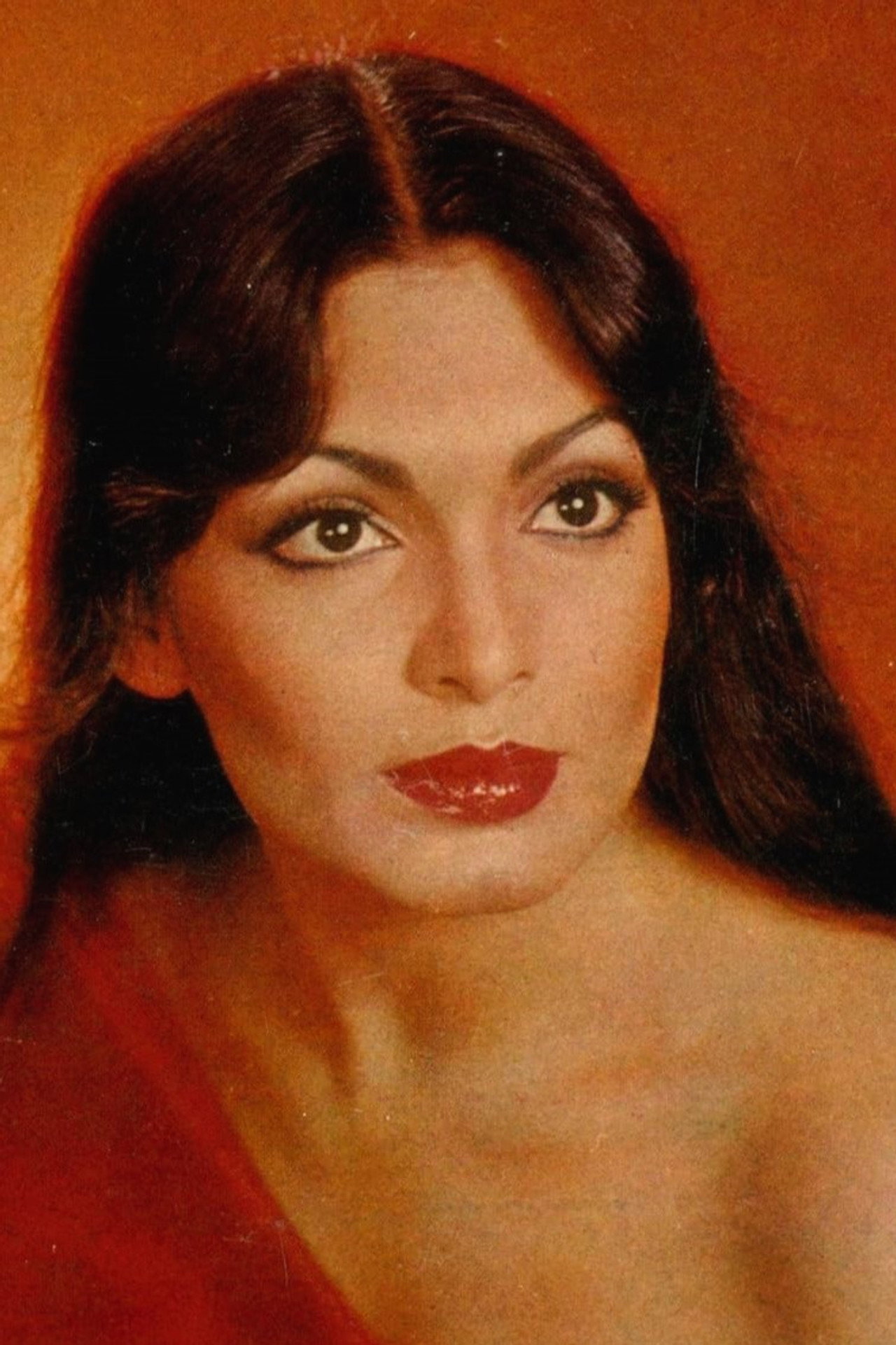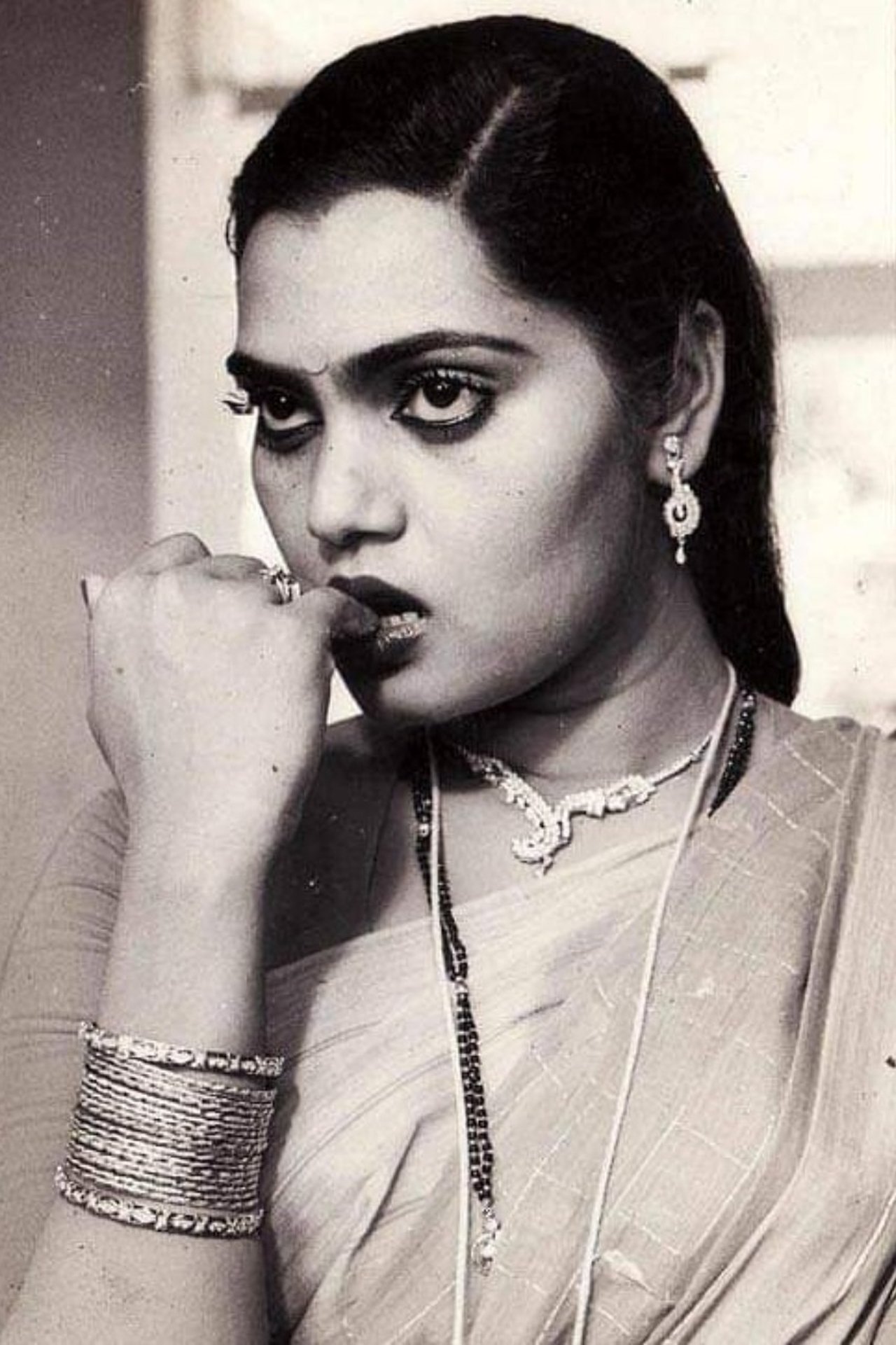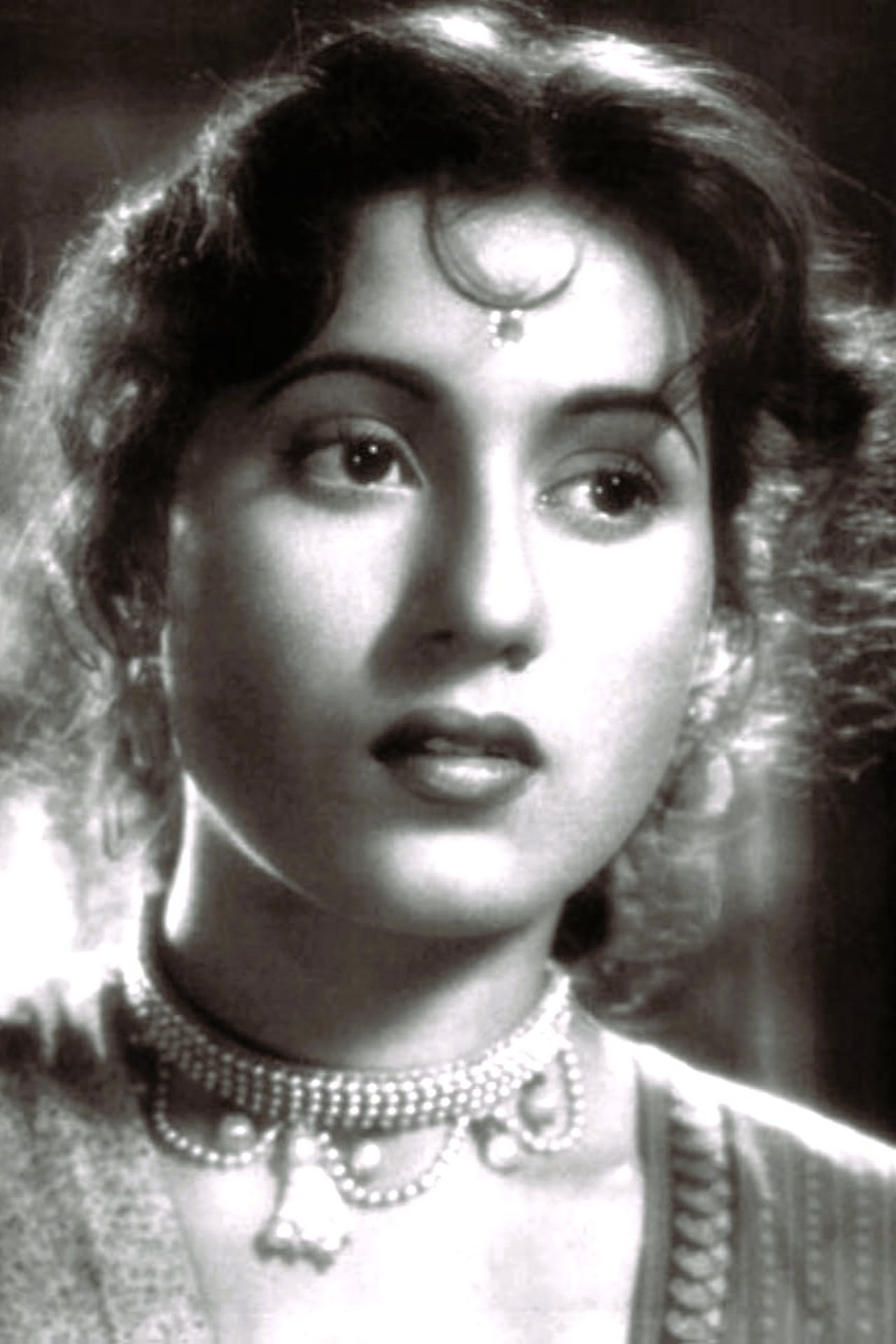
The Untold Story
Madhubala
Born Mumtaz Jehan Begum Dehlavi
Actress · Hindi cinema · 1933 – 1969
The most beautiful face Indian cinema had ever seen — and a hole in her heart no one could cure.
Madhubala was called the Venus of the Indian screen, and in 1952 an American magazine named her the biggest star in the world. Behind the luminous face was a congenital heart defect she carried in secret through her greatest films, a love story that collapsed in open court, and a life that ended at just 36. She remains the definitive tragic beauty of Hindi cinema's golden age.
- Bollywood
- Golden age
- Tragedy
- Mughal-e-Azam
Watch the 90-second story
- Born
- 14 February 1933 · Delhi, British India
- Died
- 23 February 1969 · aged 36 · congenital heart disease (ventricular septal defect)
- Era
- 1940s–60s · Hindi cinema's golden age
- Known for
- Actress
A child of struggle
She was born Mumtaz Jehan Begum Dehlavi in Delhi in 1933, the fifth of eleven children in a family that knew real hardship. To help support them she began working in films as a child, from around the age of nine, appearing as 'Baby Mumtaz.'
The name Madhubala came later, with adulthood and stardom. By her mid-teens she was carrying films, and the industry had begun to grasp that it had found not just a beautiful newcomer but a genuine star.
The most beautiful star in the world
Her breakout came at sixteen with Bombay Talkies' ghostly hit Mahal (1949), whose haunting song 'Aayega Aanewala' became a sensation and made her a household name. Over the next decade she appeared in more than seventy films and was, at one point, the highest-paid star in the country.
Her fame reached beyond India. In 1952 the American magazine Theatre Arts ran a feature that called her 'the biggest star in the world,' with photographs that introduced her to Western readers. On screen she moved effortlessly between comedy — as in Mr. & Mrs. '55 (1955) — and high tragedy, but it was her face that audiences never forgot.
Anarkali, filmed with a failing heart
Her defining role was Anarkali, the doomed court dancer of K. Asif's epic Mughal-e-Azam (1960) — a production so vast it took years to complete. She played it while her health was quietly collapsing: she had been born with a ventricular septal defect, a hole in the heart, that could not be repaired by the medicine of the time.
The strain of the shoot, including a famous sequence in which she performed in heavy chains, took a visible toll. The film became one of the most celebrated in Indian history; the woman at its centre was, even then, running out of time.
Love in a courtroom, and an early end
Her long romance with Dilip Kumar, her co-star and one of the biggest stars of the age, ended not privately but in public: the two gave evidence on opposite sides of a 1957 court case connected to the film B.R. Chopra's Naya Daur, and the relationship never recovered.
In 1960 she married the singer and actor Kishore Kumar. But her heart continued to fail, and after years of illness she died on 23 February 1969, nine days after her 36th birthday. She left behind a body of work, and a myth of beauty and sorrow, that Indian cinema has never stopped mourning.
Controversies & scandals
The episodes that defined — and sometimes derailed — the career, laid out with what was alleged, what was proven, and what stayed a rumour.
- Legal case1957
The Dilip Kumar courtroom battle
Bollywood's most famous couple ended their romance not in private but on opposite sides of a courtroom, testifying against each other in a case tied to the film Naya Daur.
Read the full story → - Disputed1950s
Her father's grip on her career
Her father and manager, Ataullah Khan, exercised tight control over her films and finances, clashing with directors and — many believe — narrowing her choices at the height of her fame.
Read the full story → - Confirmed1950s–60s
The hidden heart condition
Madhubala worked through her greatest films — including the years-long Mughal-e-Azam shoot — while concealing a congenital heart defect that the medicine of the time could not repair.
Read the full story →
Life & career timeline
- Born in DelhiBorn Mumtaz Jehan Begum Dehlavi, fifth of eleven children.
- 1942A child actorBegins working in films as 'Baby Mumtaz' to support her family.
- 1949Mahal makes her a starAt sixteen, the ghostly hit and its song 'Aayega Aanewala' turn her into a sensation.
- 1952"The biggest star in the world"American magazine Theatre Arts profiles her, spreading her fame to the West.
- 1957The Naya Daur court caseHer romance with Dilip Kumar plays out — and ends — in a public courtroom.
- 1960Mughal-e-Azam & marriageImmortalised as Anarkali; marries singer-actor Kishore Kumar the same year.
- Death at 36Dies of long-standing congenital heart disease, nine days after her birthday.
Essential Madhubala films
The roles that defined the career — tap through for where to stream each in India.
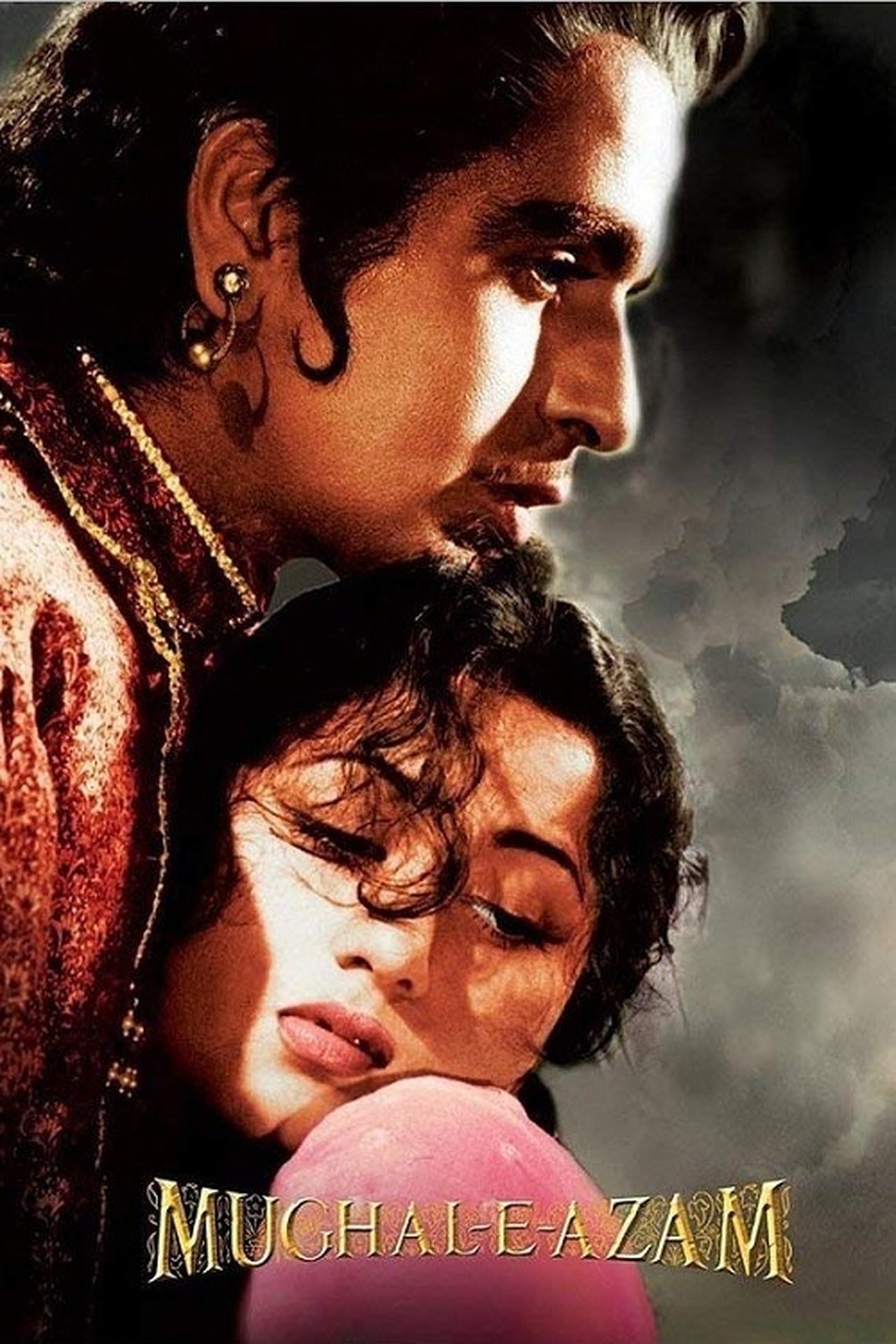 Mughal-e-Azam1960 · as AnarkaliHer immortal role in one of Indian cinema's greatest epics.
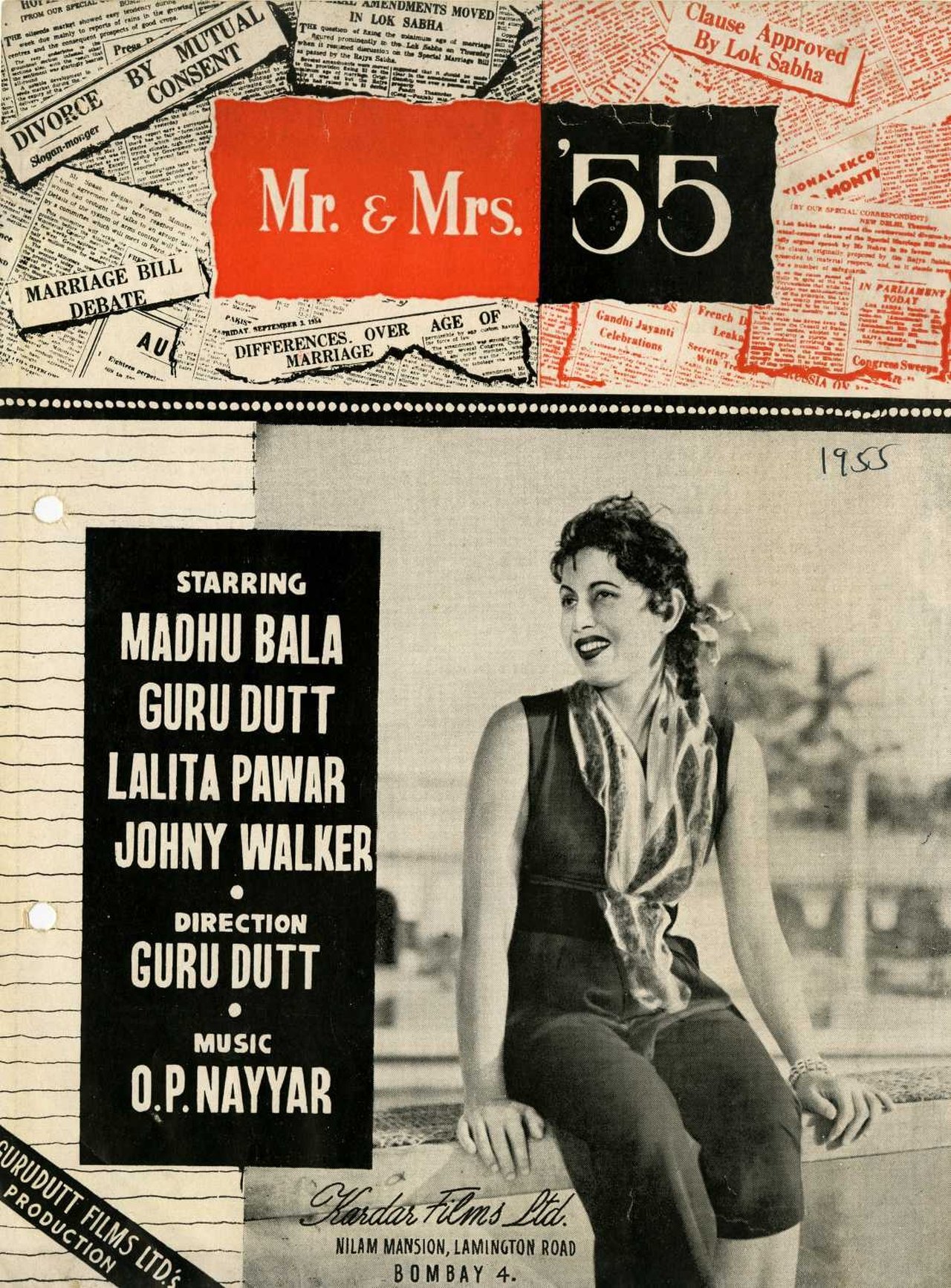 Mr. & Mrs. '551955 · as Anita VermaA Guru Dutt comedy that showed her lighter gifts.
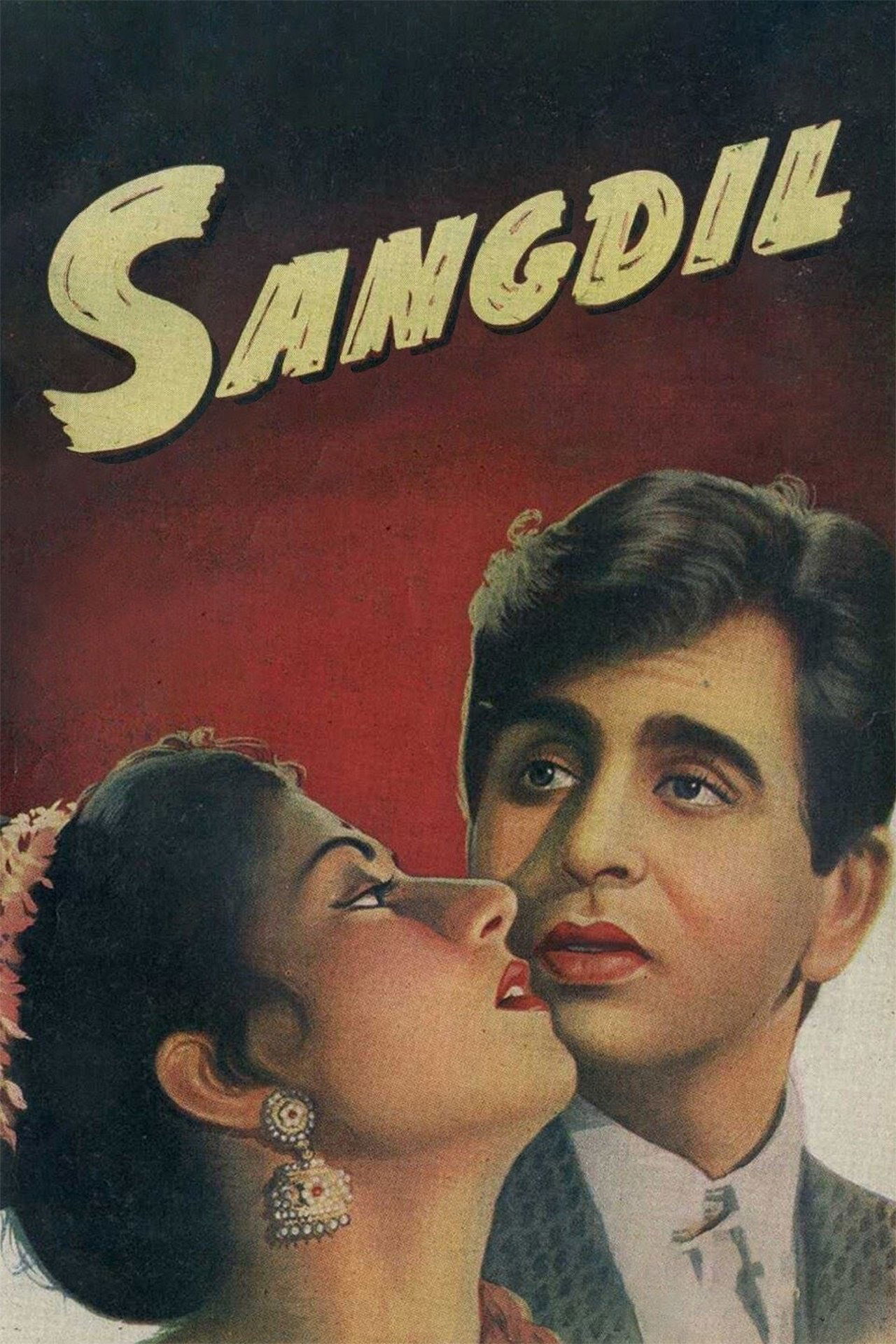 Sangdil1952 · as KamlaA romantic drama from the height of her fame.
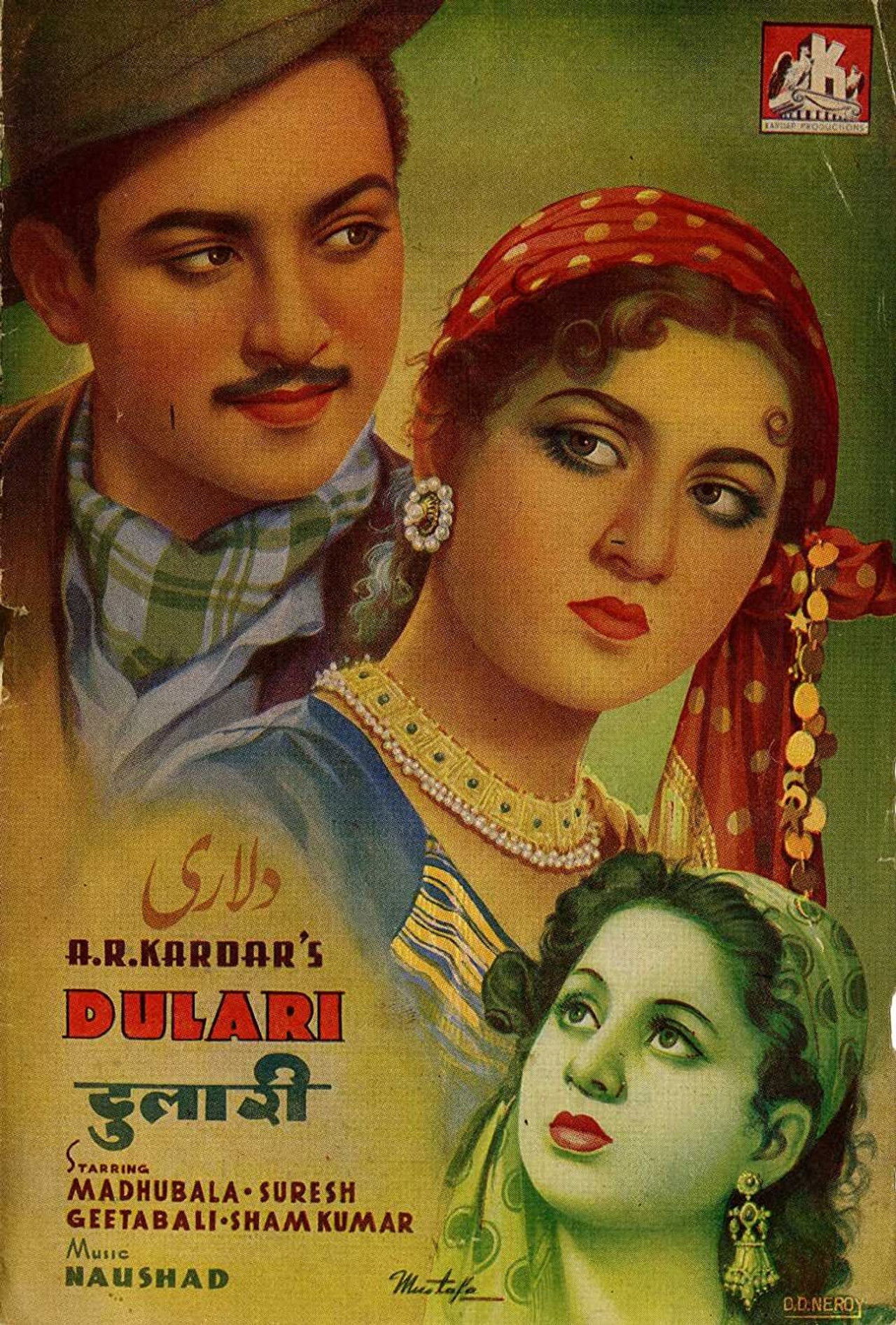 Dulari1949 · as Shobha / DulariAn early hit as she rose to stardom.
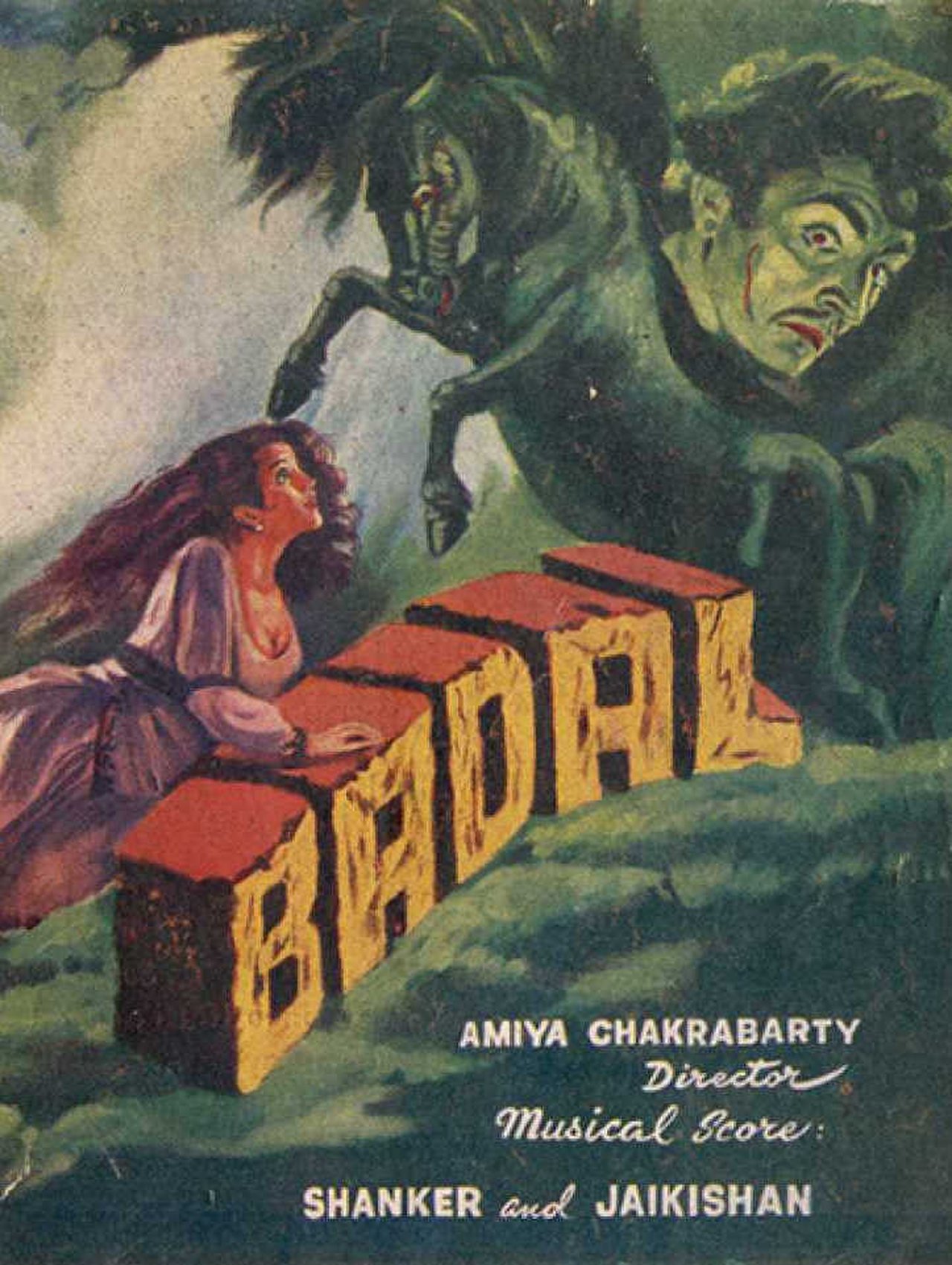 Badal1951 · as RatnaA costume adventure from her prolific early years.
In pictures
Madhubala — frequently asked questions
- What was Madhubala's real name?
- She was born Mumtaz Jehan Begum Dehlavi in Delhi on 14 February 1933, and worked as a child actor under the name 'Baby Mumtaz' before becoming Madhubala.
- What did Madhubala die of?
- She was born with a ventricular septal defect — a hole in the heart — that could not be corrected with the medicine of the era. After years of failing health she died on 23 February 1969, aged 36.
- Why is Mughal-e-Azam so associated with Madhubala?
- She played Anarkali, the doomed court dancer at the centre of K. Asif's 1960 epic — filmed over several years while her heart was quietly failing. It became one of the most celebrated films in Indian history.
- Who was Madhubala married to?
- She married the singer and actor Kishore Kumar in 1960. Her earlier, famous romance with co-star Dilip Kumar had ended after the two testified on opposite sides of a 1957 court case.
Sources
This page is an informational tribute drawn from public reporting and interviews. Sensitive or disputed incidents are described as alleged, and the canonical account always rests with the sources above.