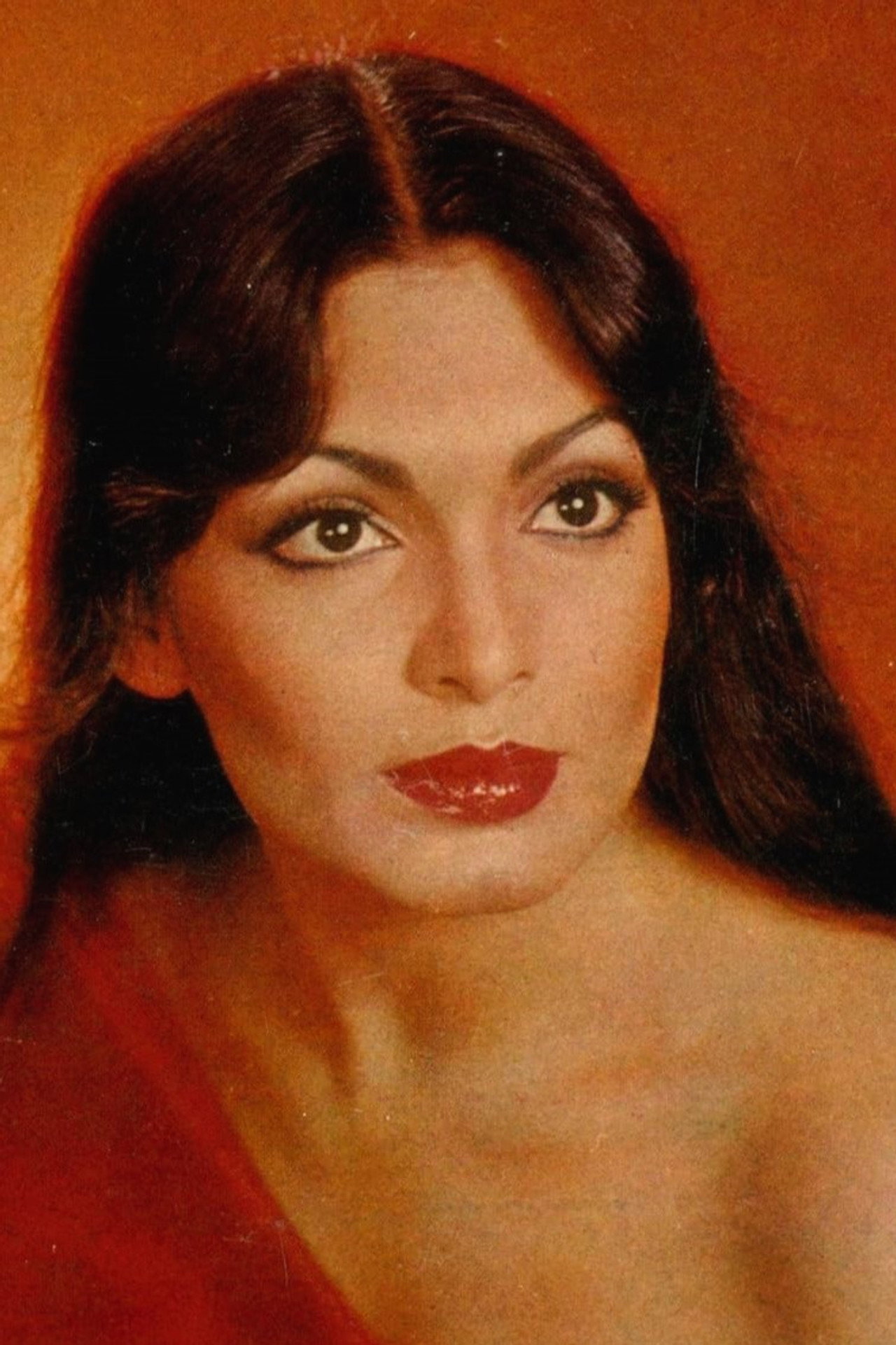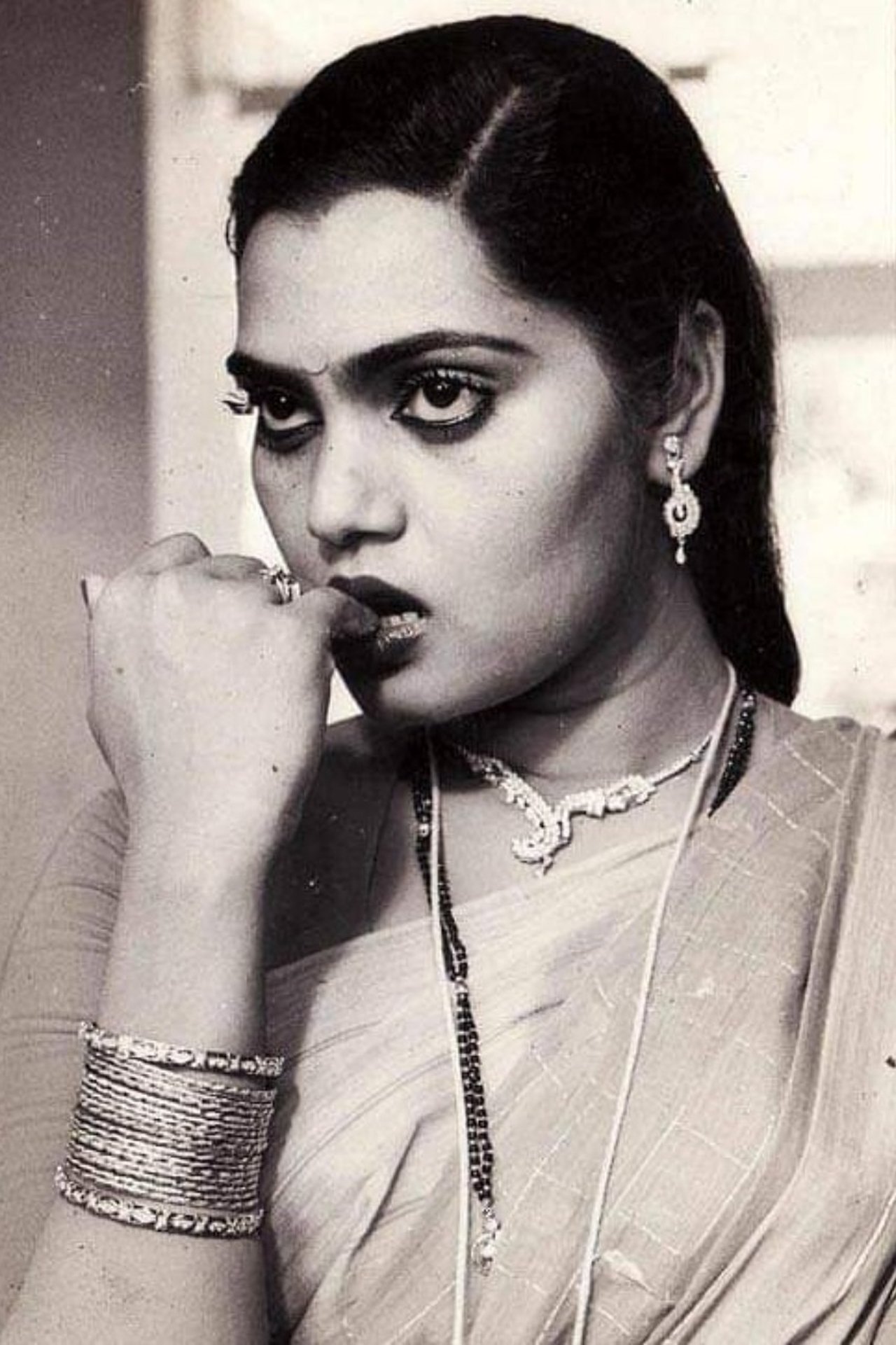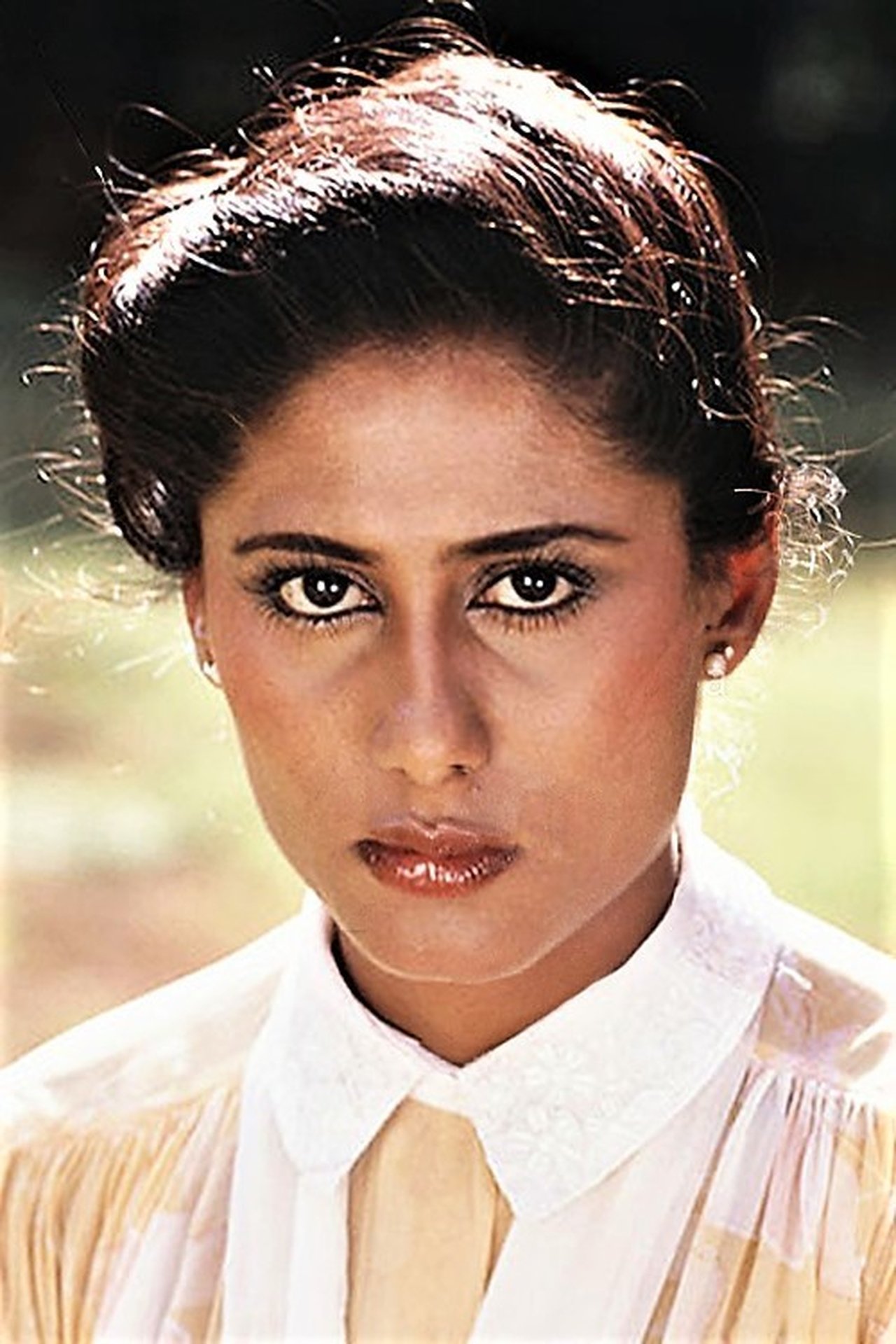
The Untold Story
Smita Patil
Actress · Hindi & Marathi cinema · 1955 – 1986
The fearless face of India's parallel cinema — two weeks after giving birth, at 31, she was gone.
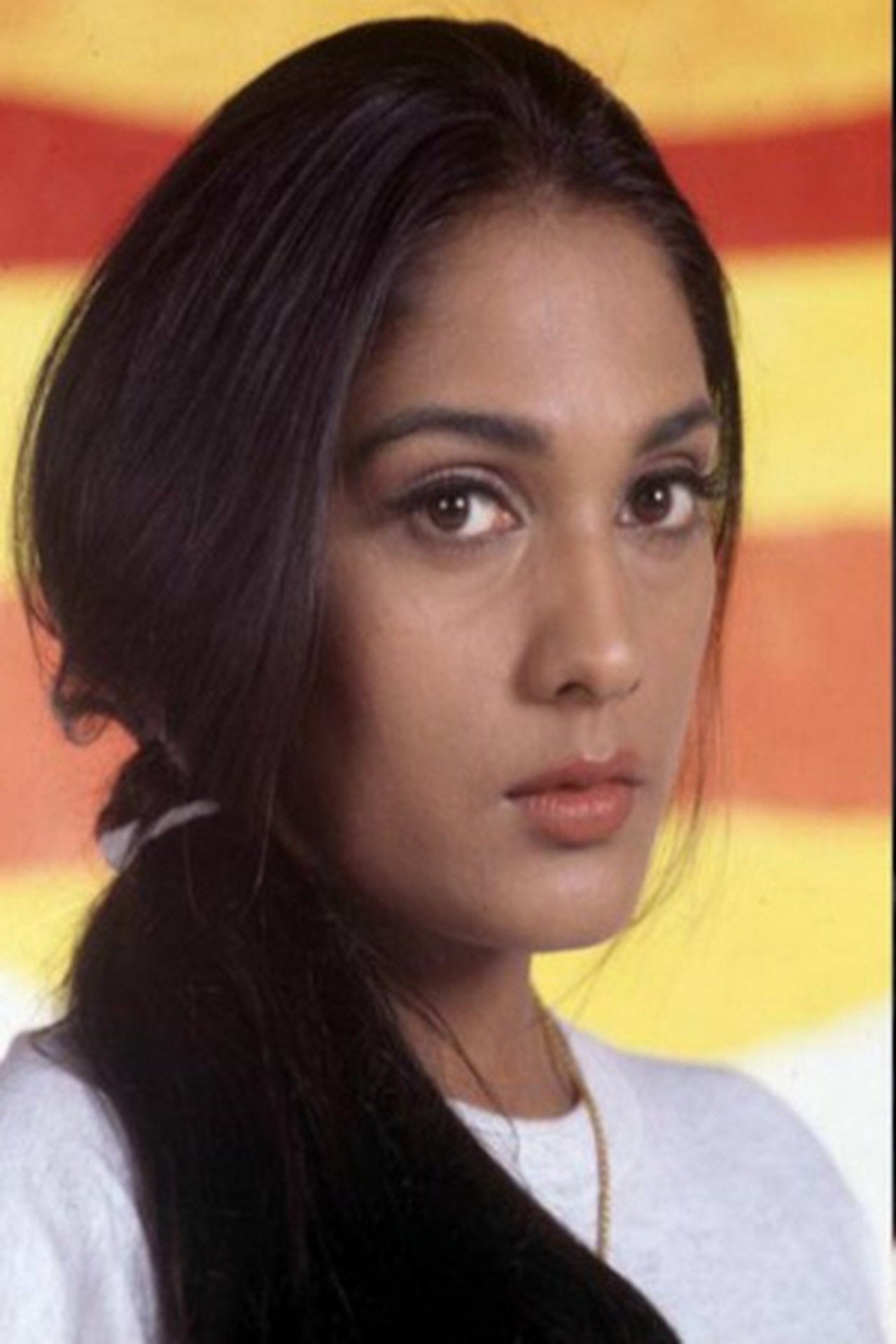
Smita Patil went from reading the Marathi news on Doordarshan to becoming one of the greatest actresses India has ever produced — the burning conscience of the country's parallel-cinema movement, with two National Awards before she was 27. Then, in December 1986, days after the birth of her son Prateik, she died at just 31, in a loss the industry has never stopped mourning or fully explaining.
- Parallel cinema
- National Award
- Tragedy
- 1980s
Watch the 90-second story
- Born
- 17 October 1955 · Pune, Maharashtra, India
- Died
- 13 December 1986 · aged 31 · post-childbirth complications
- Era
- 1975–86 · Parallel & mainstream cinema
- Known for
- Actress
From the news desk to the cinema
Smita Patil began not as an actress but as a newsreader, presenting the Marathi bulletin on Doordarshan in Bombay. It was there that filmmaker Shyam Benegal, a leader of India's new parallel-cinema movement, noticed her striking, un-glamorised presence and cast her in his films.
She made her debut in Benegal's Charandas Chor (1975) and quickly became the movement's defining female face — an actress who refused the gloss of mainstream heroines in favour of raw, rooted, often working-class women.
Two National Awards before 27
Her rise was extraordinarily fast. She won the National Film Award for Best Actress for Bhumika (1977), in which she played a complicated, real-life-inspired actress, and again for Chakra (1981), as a woman surviving in a Bombay slum — two of the highest honours in Indian cinema, both before she turned 27.
Across films like Manthan, Mandi, Bhavni Bhavai, Umbartha and Mirch Masala she built a body of work of remarkable fearlessness. She could also cross into the mainstream — as in Arth and Namak Halaal — but it was her parallel-cinema roles that made her a benchmark. In 1985 she was awarded the Padma Shri.
A death that shook the industry
Smita married actor Raj Babbar, and in November 1986 gave birth to their son, Prateik. Just days later, on 13 December 1986, she died — from complications following childbirth. She was only 31.
The suddenness and the circumstances provoked lasting anguish. The veteran director Mrinal Sen, who had worked with her, later publicly alleged gross medical negligence in her care. Whether her death was an unavoidable complication or a preventable failure has been argued ever since — a bitter coda to one of Indian cinema's brightest careers.
She had roughly a dozen films still awaiting release when she died. Her son Prateik Babbar would grow up to become an actor himself, carrying a name that, for a generation of film lovers, still means fearlessness.
Controversies & scandals
The episodes that defined — and sometimes derailed — the career, laid out with what was alleged, what was proven, and what stayed a rumour.
- Alleged1986
Allegations of medical negligence in her death
Smita Patil died days after childbirth at just 31; the veteran director Mrinal Sen later publicly alleged gross medical negligence in her care.
Read the full story → - Disputed1980s
Marrying Raj Babbar
Her relationship and marriage with actor Raj Babbar, who was already married to Nadira Babbar, drew 'other woman' criticism during her lifetime.
Read the full story →
Life & career timeline
- Born in PuneBorn into a politically active Maharashtrian family.
- 1970sDoordarshan newsreaderReads the Marathi television news in Bombay, where Shyam Benegal spots her.
- 1975Film debutDebuts in Benegal's Charandas Chor and joins the parallel-cinema movement.
- 1977National Award for BhumikaWins Best Actress for her role as a troubled actress.
- 1981Second National Award for ChakraWins again, aged just 26.
- 1985Padma ShriHonoured by the Government of India.
- 1986MotherhoodGives birth to her son, Prateik, with husband Raj Babbar in November.
- Death at 31Dies days after childbirth from complications; Mrinal Sen later alleges medical negligence.
Essential Smita films
The roles that defined the career — tap through for where to stream each in India.
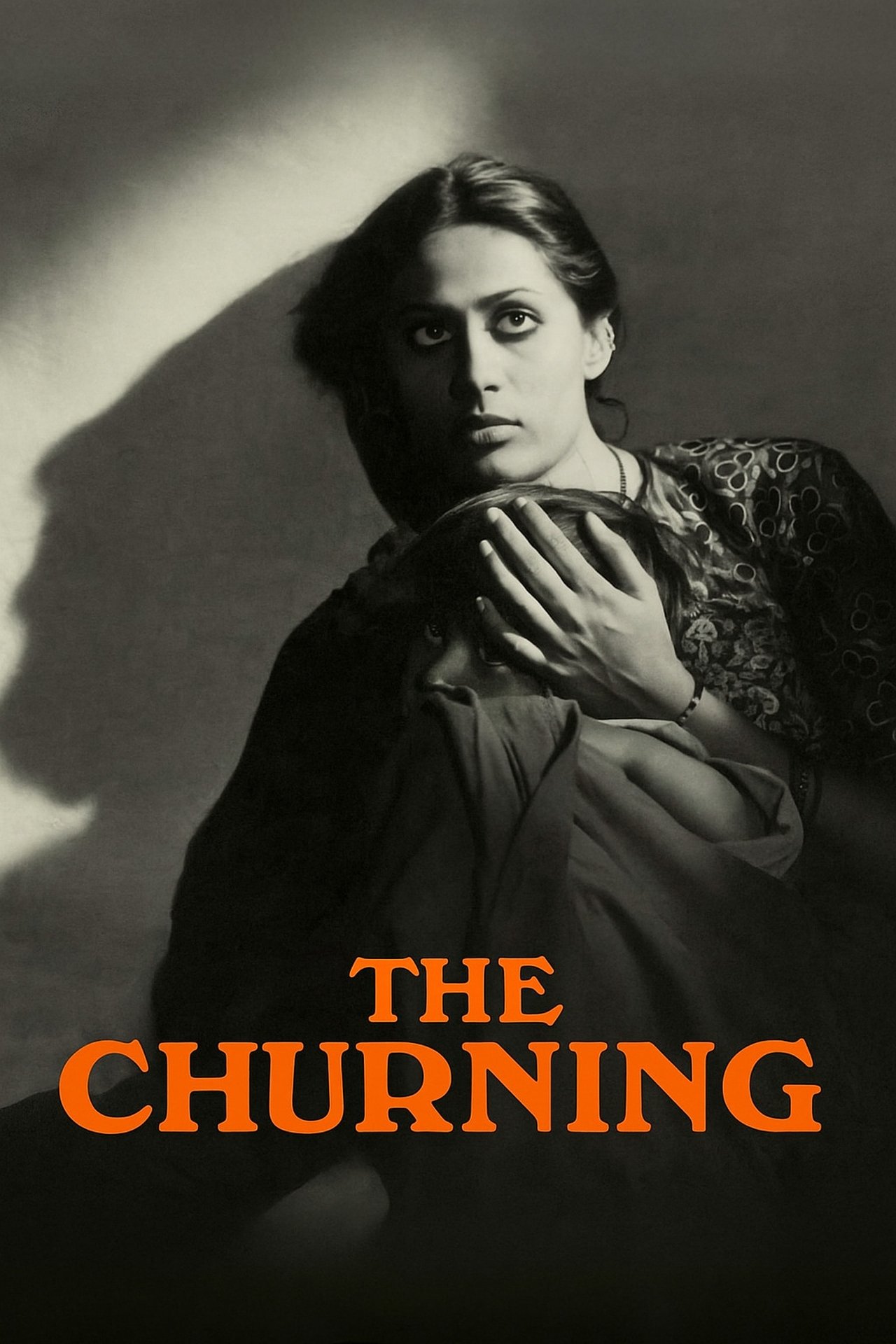 Manthan1976 · as BinduBenegal's landmark, crowd-funded by dairy farmers.
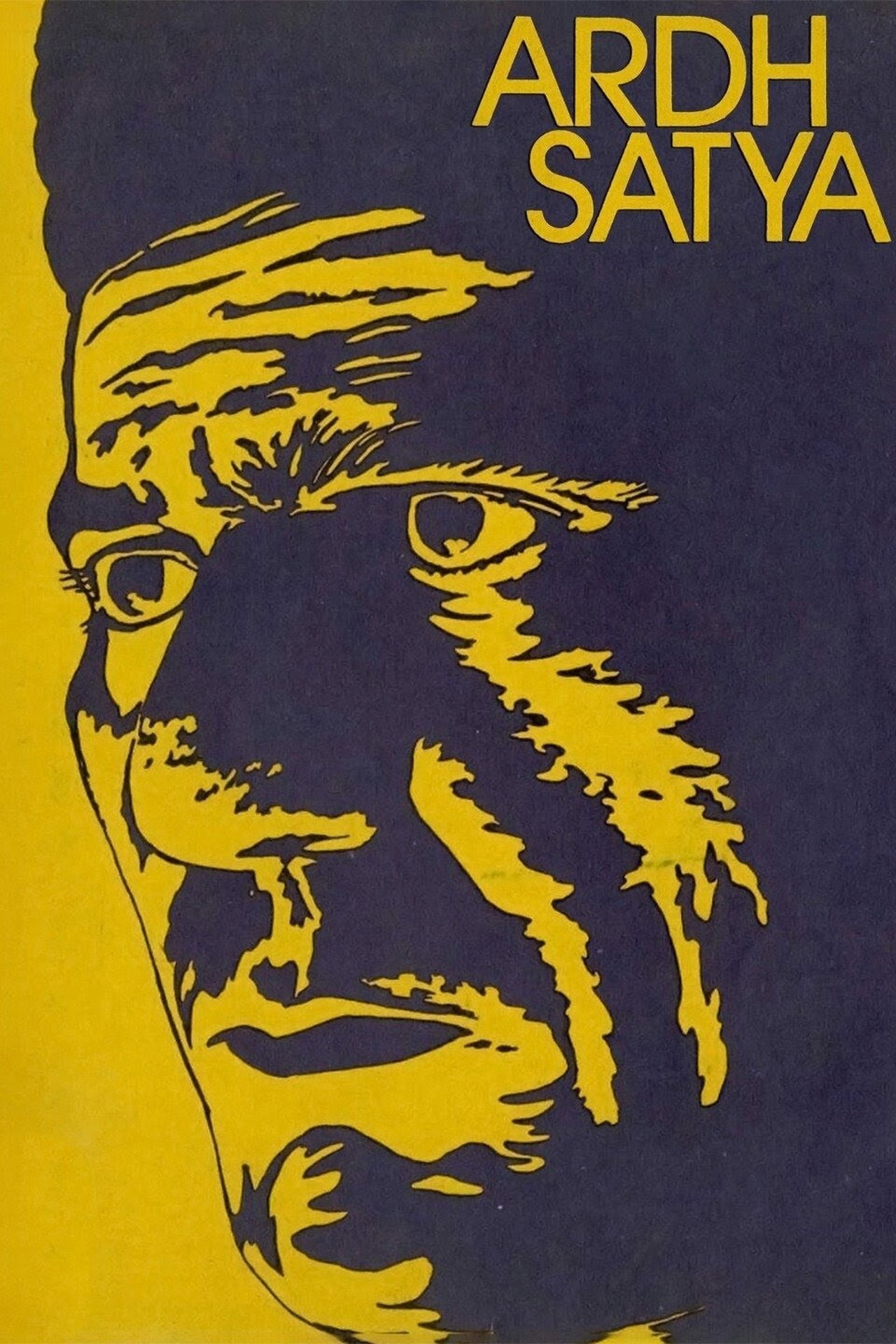 Ardh Satya1983 · as Jyotsna GokhaleGovind Nihalani's searing police drama.
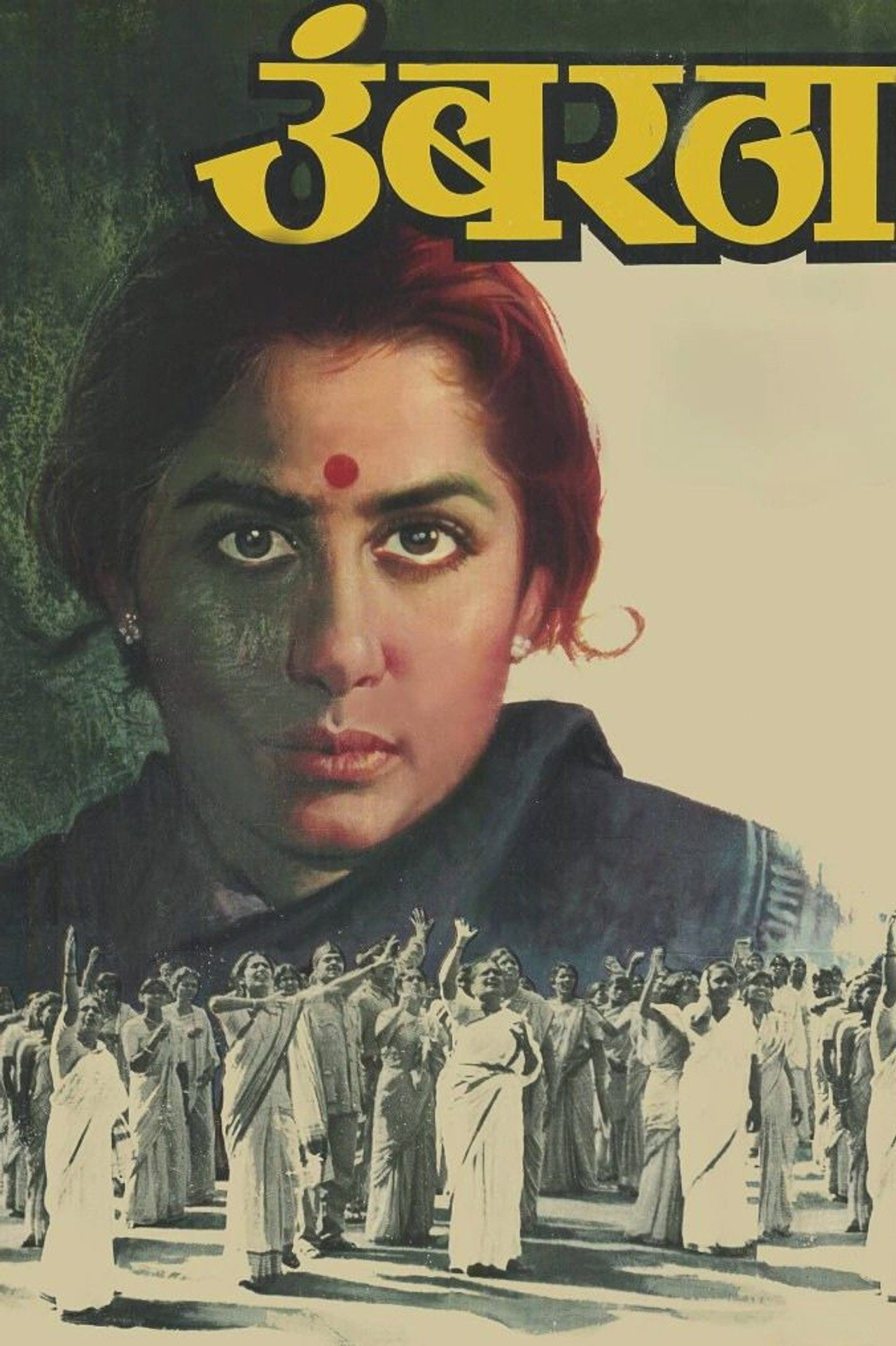 Umbartha1982 · as Sulabha MahajanA pioneering Marathi film about a woman's independence.
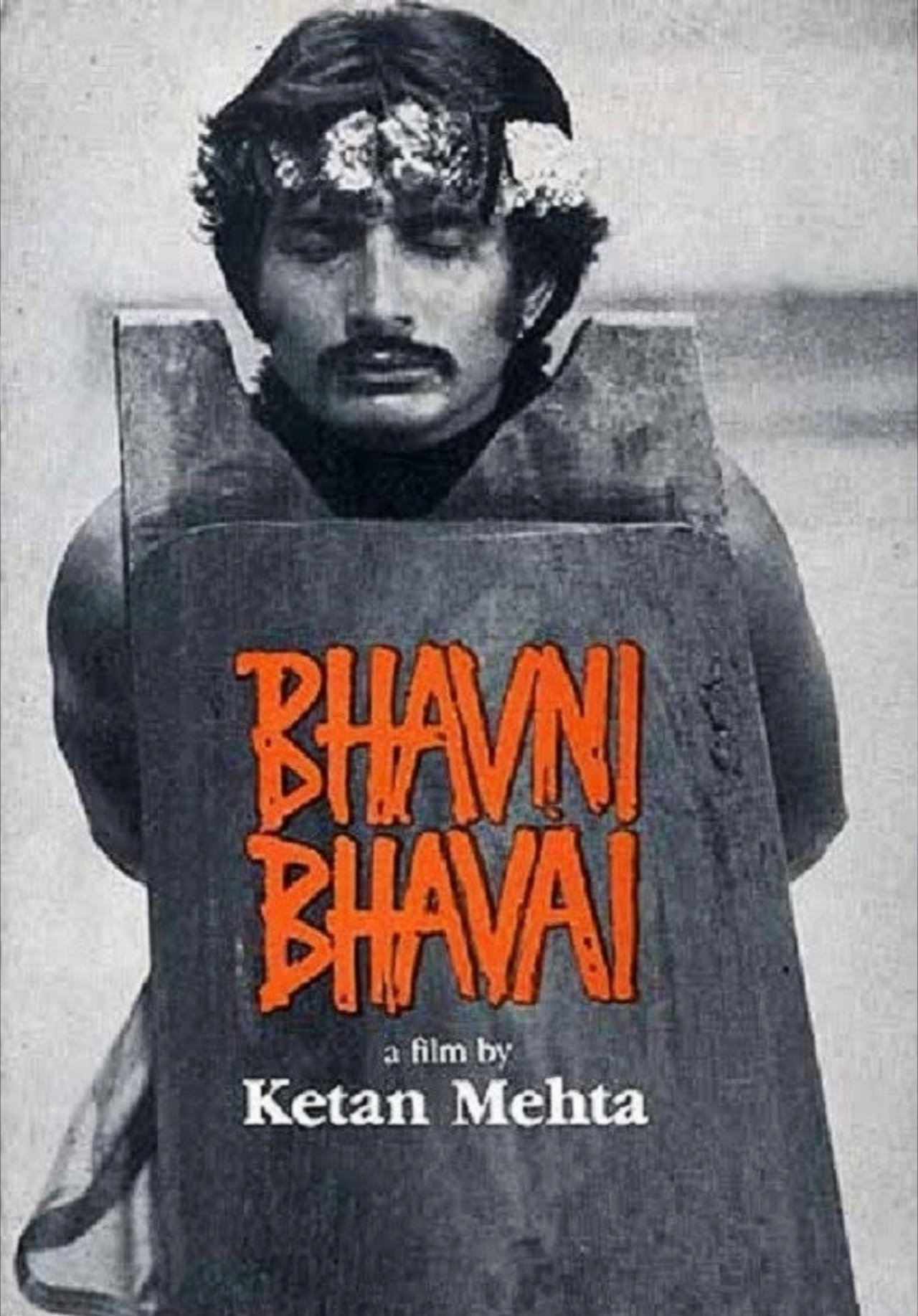 Bhavni Bhavai1981 · as UjamKetan Mehta's acclaimed folk allegory.
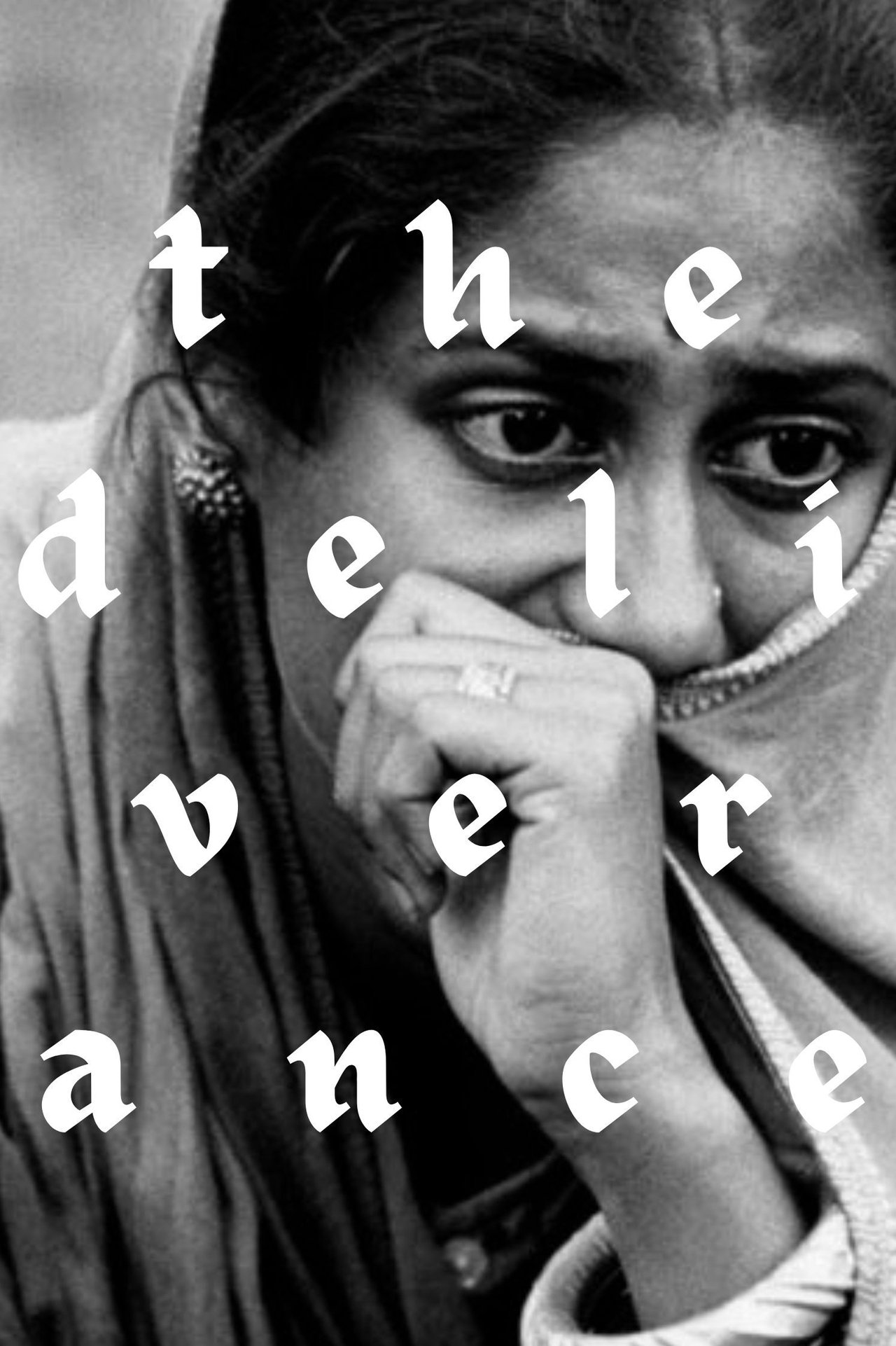 Sadgati1981 · as JhuriaSatyajit Ray's stark short based on Premchand.
 Giddh1984 · as HanumiOne of her intense later parallel-cinema roles.
In pictures
Smita Patil — frequently asked questions
- How did Smita Patil die?
- She died on 13 December 1986, days after giving birth to her son Prateik, from complications following childbirth. She was 31. Director Mrinal Sen later alleged gross medical negligence in her care.
- How many National Awards did Smita Patil win?
- She won two National Film Awards for Best Actress — for Bhumika (1977) and Chakra (1981) — both before she turned 27. She was awarded the Padma Shri in 1985.
- How did Smita Patil get into films?
- She was a Marathi news presenter on Doordarshan when filmmaker Shyam Benegal cast her; she debuted in his Charandas Chor (1975) and became the leading face of India's parallel-cinema movement.
- Is Smita Patil related to Prateik Babbar?
- Yes. Prateik Babbar, born just before her death in 1986, is her son with actor Raj Babbar. He went on to become an actor himself.
Sources
This page is an informational tribute drawn from public reporting and interviews. Sensitive or disputed incidents are described as alleged, and the canonical account always rests with the sources above.