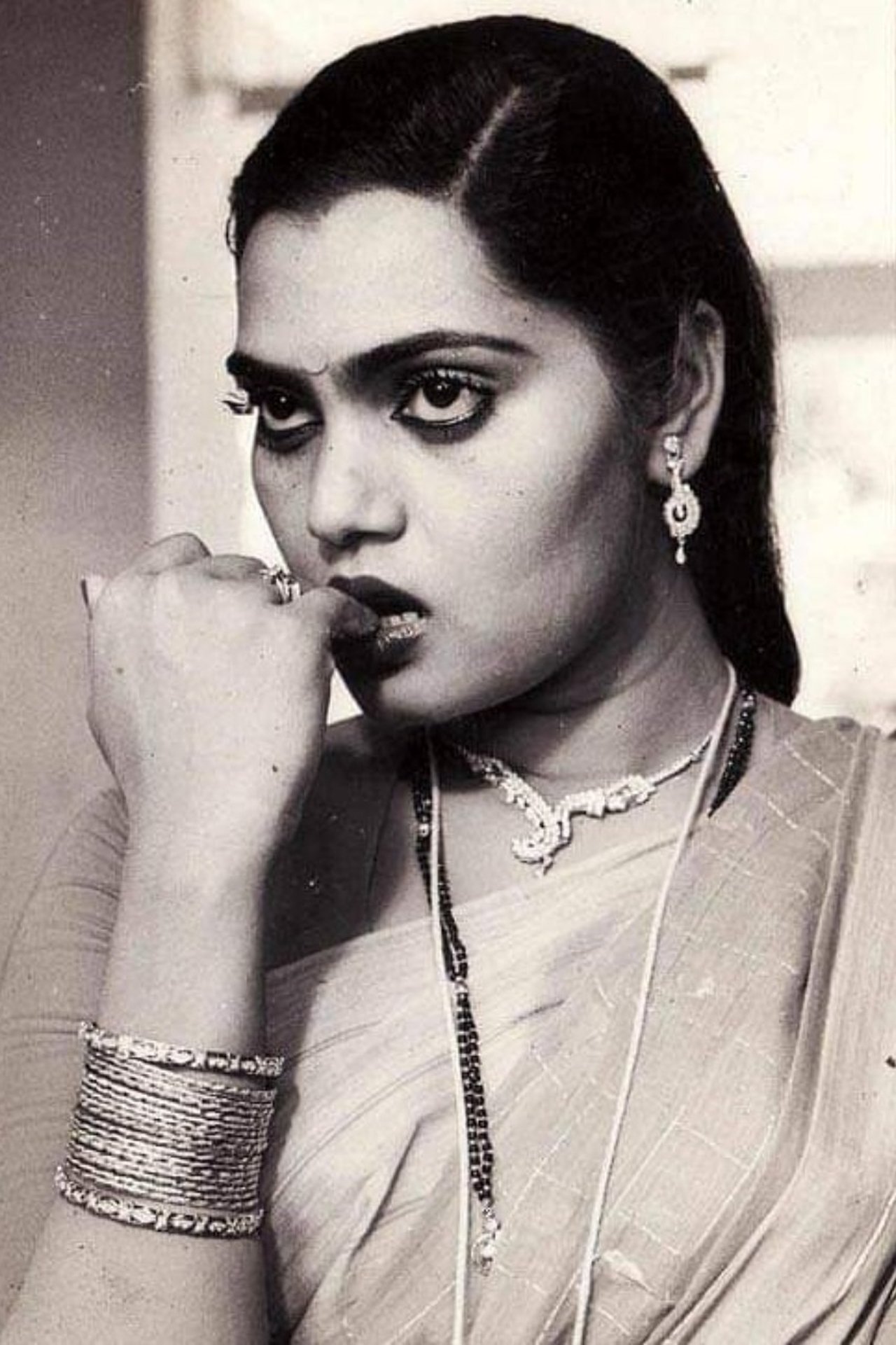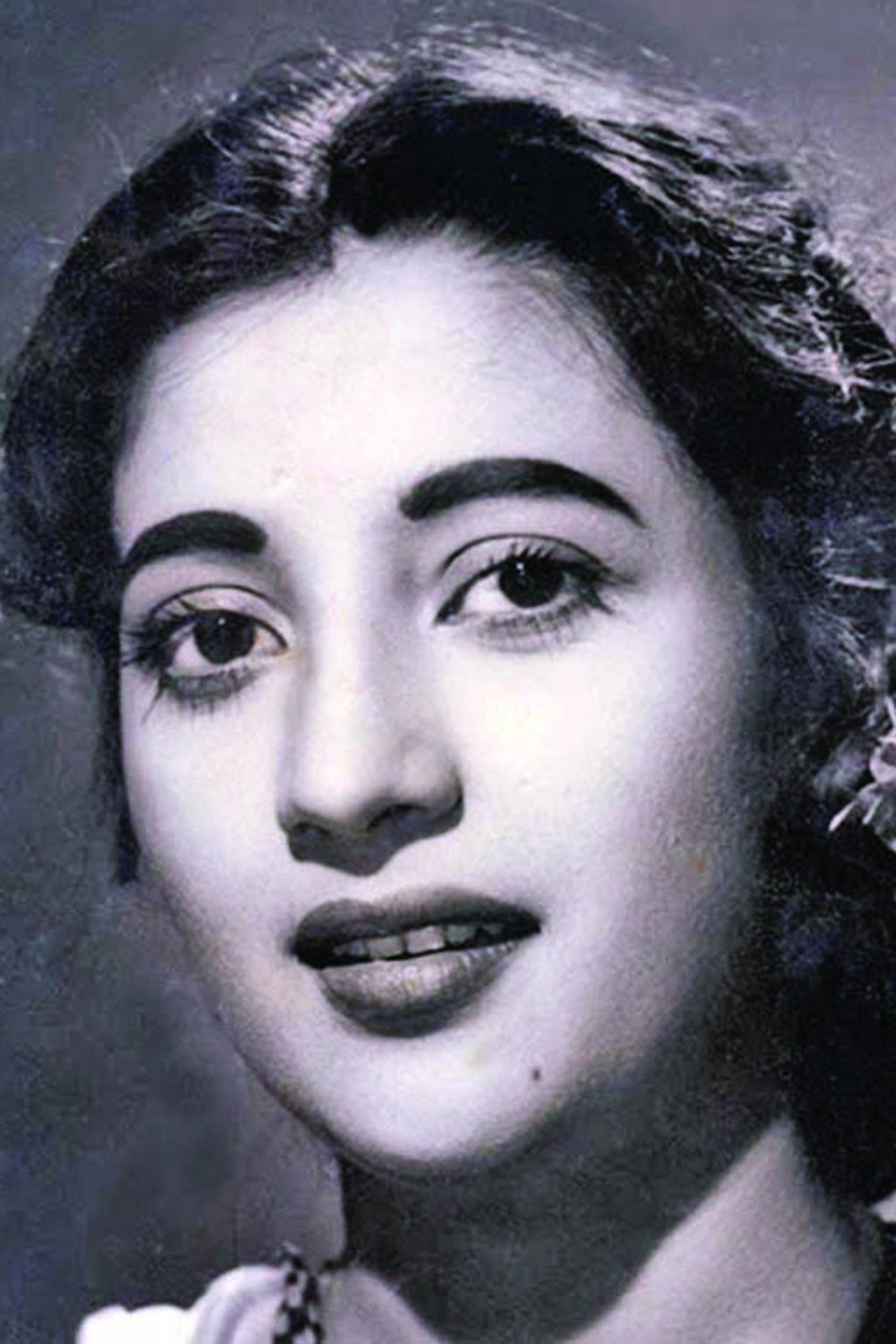
The Untold Story
Suchitra Sen
Born Rama Dasgupta
Actress · Bengali cinema · 1931 – 2014
Bengal's greatest screen queen walked away from fame in 1979 and was never photographed in public again — she even refused India's highest film honour rather than break her silence.
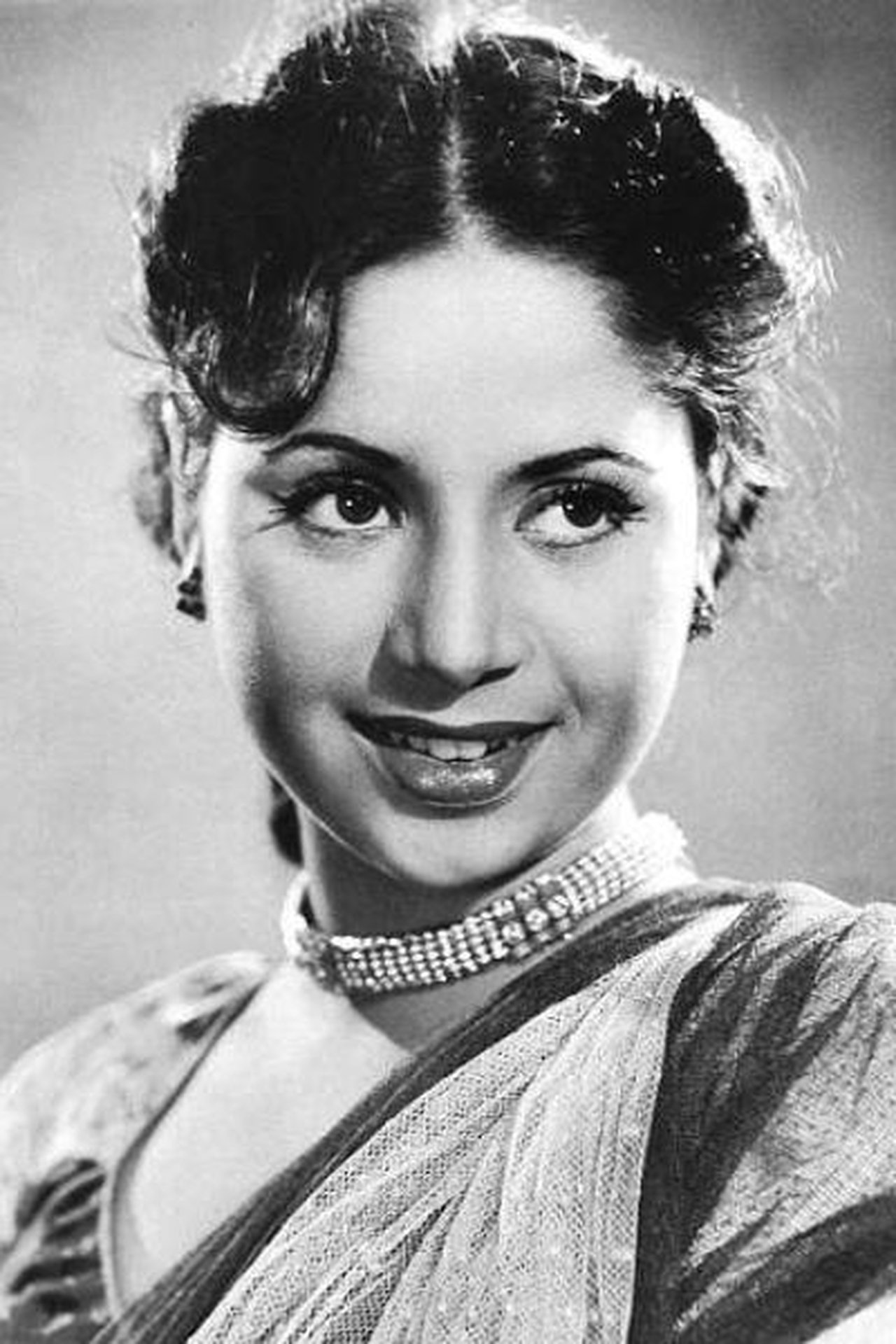
Suchitra Sen was the luminous queen of Bengali cinema — half of its most legendary screen pairing, with Uttam Kumar, and a rare regional star who broke through to national fame with the Hindi hit Aandhi. Then, in 1979, at just 48, she vanished. She retreated into the Ramakrishna Mission and complete seclusion, refusing all public appearances, interviews and photographs for the rest of her life. She reportedly even declined the Dadasaheb Phalke Award, India's highest film honour, rather than emerge from hiding. For 35 years she was the most famous recluse in Indian cinema, until her death in 2014.
- Bengali cinema
- 1950s
- The great recluse
- Uttam Kumar
- Aandhi
Watch the 90-second story
- Born
- 6 April 1931 · Pabna, British India (now Bangladesh)
- Died
- 17 January 2014 · aged 82 · cardiac arrest after prolonged illness
- Era
- 1950s–70s · Bengali & Hindi cinema
- Known for
- Actress
Rama Dasgupta becomes a star
She was born Rama Dasgupta in 1931 in Pabna, in what is now Bangladesh, and married into the well-known Sen family of Kolkata before entering films. She took the name Suchitra Sen, and from her earliest hits it was clear Bengali cinema had found a genuine star.
She had a face the camera adored and a presence that was at once regal and warm. Within a few years she was the leading lady of Bengali cinema and one of its defining icons.
Suchitra and Uttam: the immortal pair
Her partnership with Uttam Kumar became the most celebrated screen pairing in Bengali film history. Across a string of romances — Harano Sur, Saptapadi, Agni Pariksha and many more — 'Uttam-Suchitra' came to mean romance itself for Bengali audiences, a chemistry that has never been equalled in the industry.
She was equally powerful alone, in dramas like Saat Pake Bandha and Deep Jwele Jaai, roles that showed a depth beyond her glamour. She won admiration at home and abroad, becoming one of the first Indian actresses to be recognised at an international festival.
Aandhi and national fame
In 1975 she crossed over to Hindi cinema in Gulzar's Aandhi, playing a politician whose life echoed, in some viewers' minds, that of a real leader — a role that brought her national fame and some controversy. It proved she was more than a regional icon.
By then she had been a superstar for two decades. But even as her national profile rose, she was moving toward a decision that would astonish the country.
The vanishing
Around 1978 Suchitra Sen made her last film, and in 1979 she withdrew from public life entirely. Drawn to the Ramakrishna Mission and its spiritual world, she cut herself off from cinema and the press, refusing to be seen, interviewed or photographed. She kept that vow with almost total discipline for 35 years.
The most striking proof of her resolve came when she reportedly declined the Dadasaheb Phalke Award — India's highest film honour — because accepting it in person would have broken her seclusion. When she died on 17 January 2014 at 82, after a long illness, the country mourned a legend most living Indians had never once seen in public. She had turned her own disappearance into part of her legend.
Controversies & scandals
The episodes that defined — and sometimes derailed — the career, laid out with what was alleged, what was proven, and what stayed a rumour.
- Documented1979–2014
Three decades of total seclusion
After her last film, Suchitra Sen withdrew completely from public life in 1979 and refused for 35 years to be seen, interviewed or photographed — an extraordinary act of self-erasure by a major star.
Read the full story → - Reported2005
Reportedly refusing the Dadasaheb Phalke Award
Suchitra Sen is widely reported to have declined the Dadasaheb Phalke Award, India's highest film honour, because accepting it would have required breaking her vow of seclusion.
Read the full story →
Life & career timeline
- Born in PabnaBorn Rama Dasgupta in present-day Bangladesh.
- 1952Film debutEnters Bengali cinema and quickly rises to stardom.
- 1950s–60sThe Uttam-Suchitra eraHer pairing with Uttam Kumar becomes Bengali cinema's most beloved.
- 1963Saat Pake BandhaA powerful dramatic performance that wins international recognition.
- 1975AandhiCrosses over to Hindi cinema in Gulzar's acclaimed film.
- 1978Last filmMakes her final screen appearance.
- 1979WithdrawalRetreats into complete seclusion and the Ramakrishna Mission.
- Death at 82Dies in Kolkata after a long illness, still a recluse.
Essential Suchitra films
The roles that defined the career — tap through for where to stream each in India.
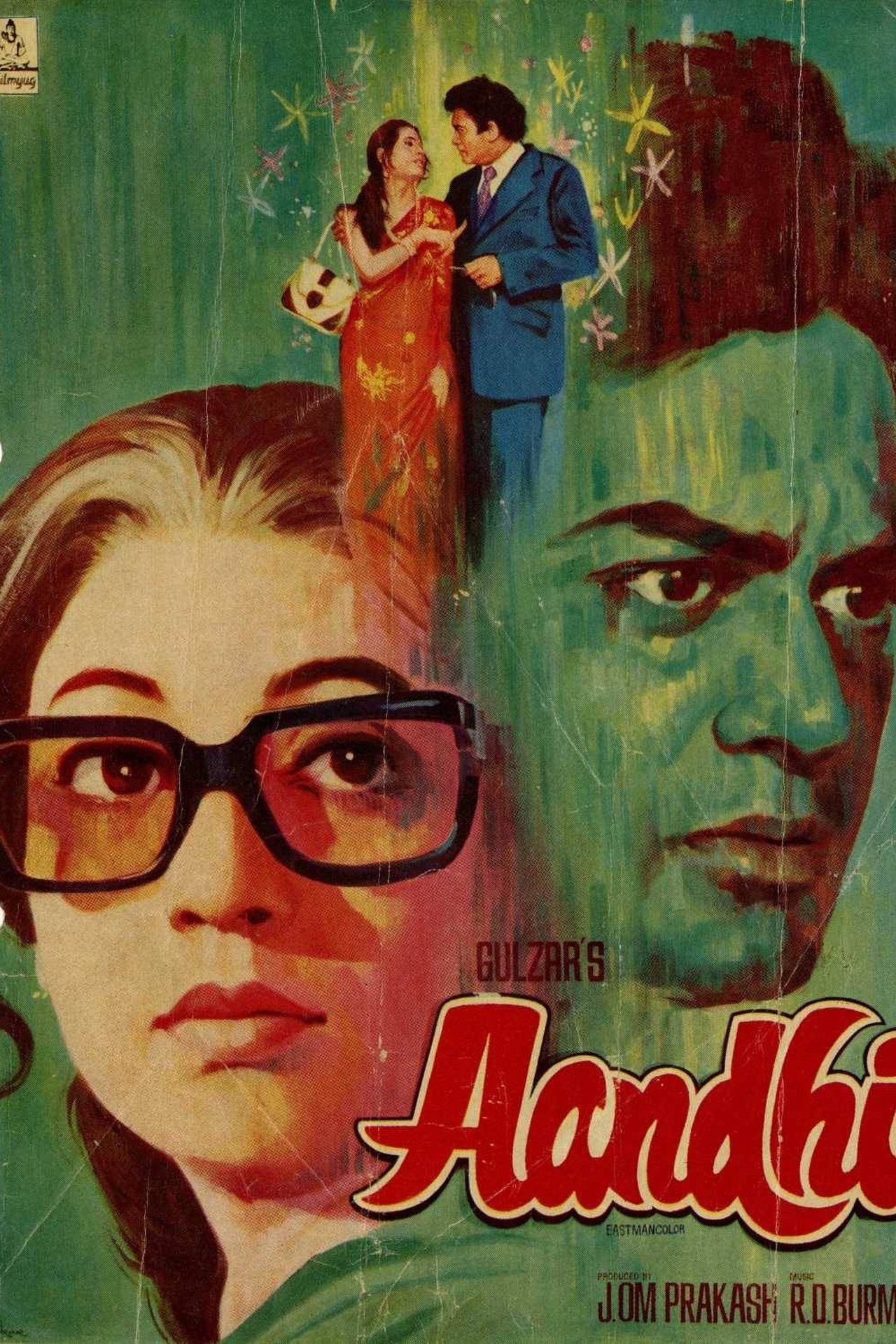 Aandhi1975 · as Aarti DeviGulzar's film that brought her national fame.
 Saat Pake Bandha1963 · as ArchanaAn award-winning dramatic performance.
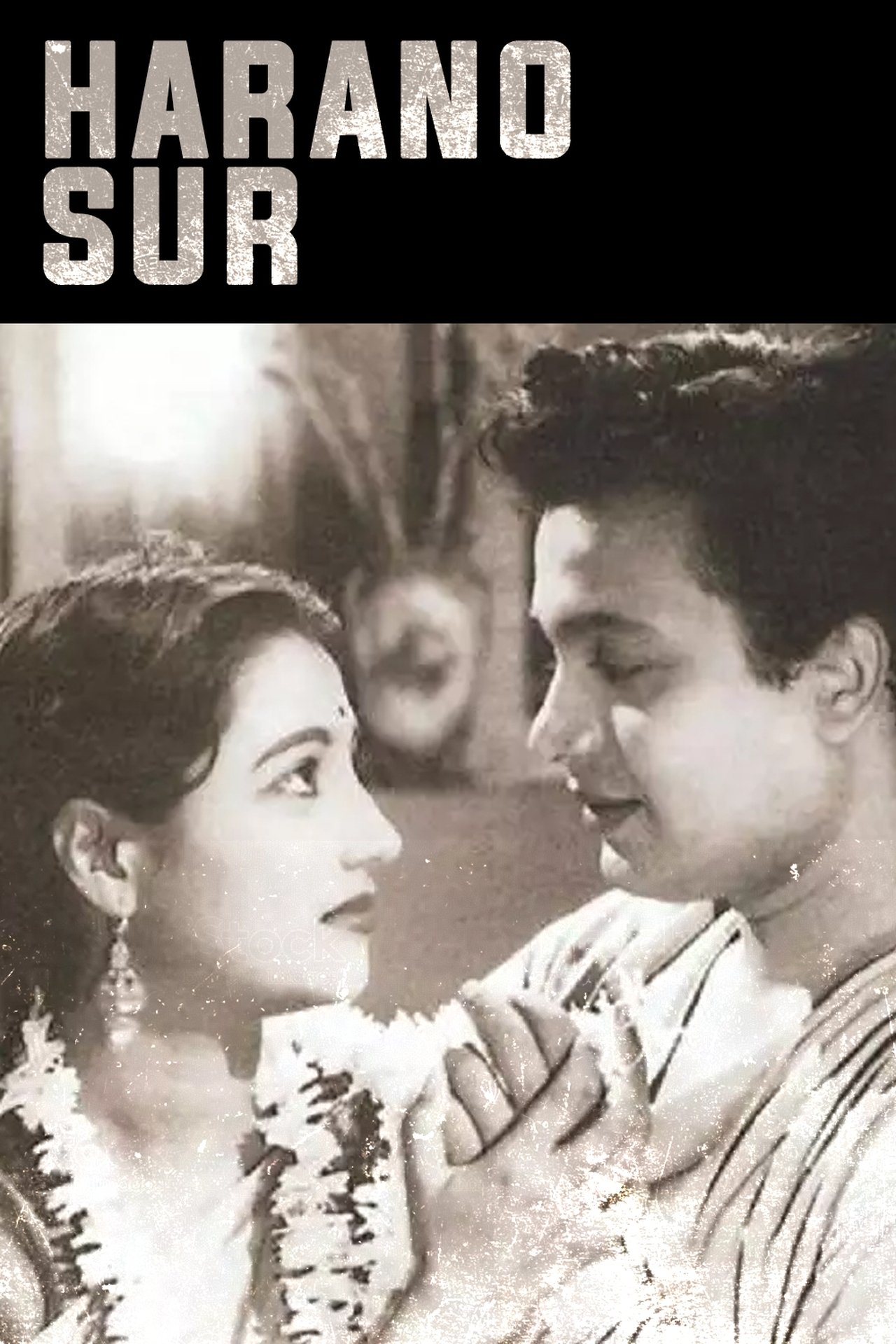 Harano Sur1957 · as Dr. Roma BanerjeeA beloved romance with Uttam Kumar.
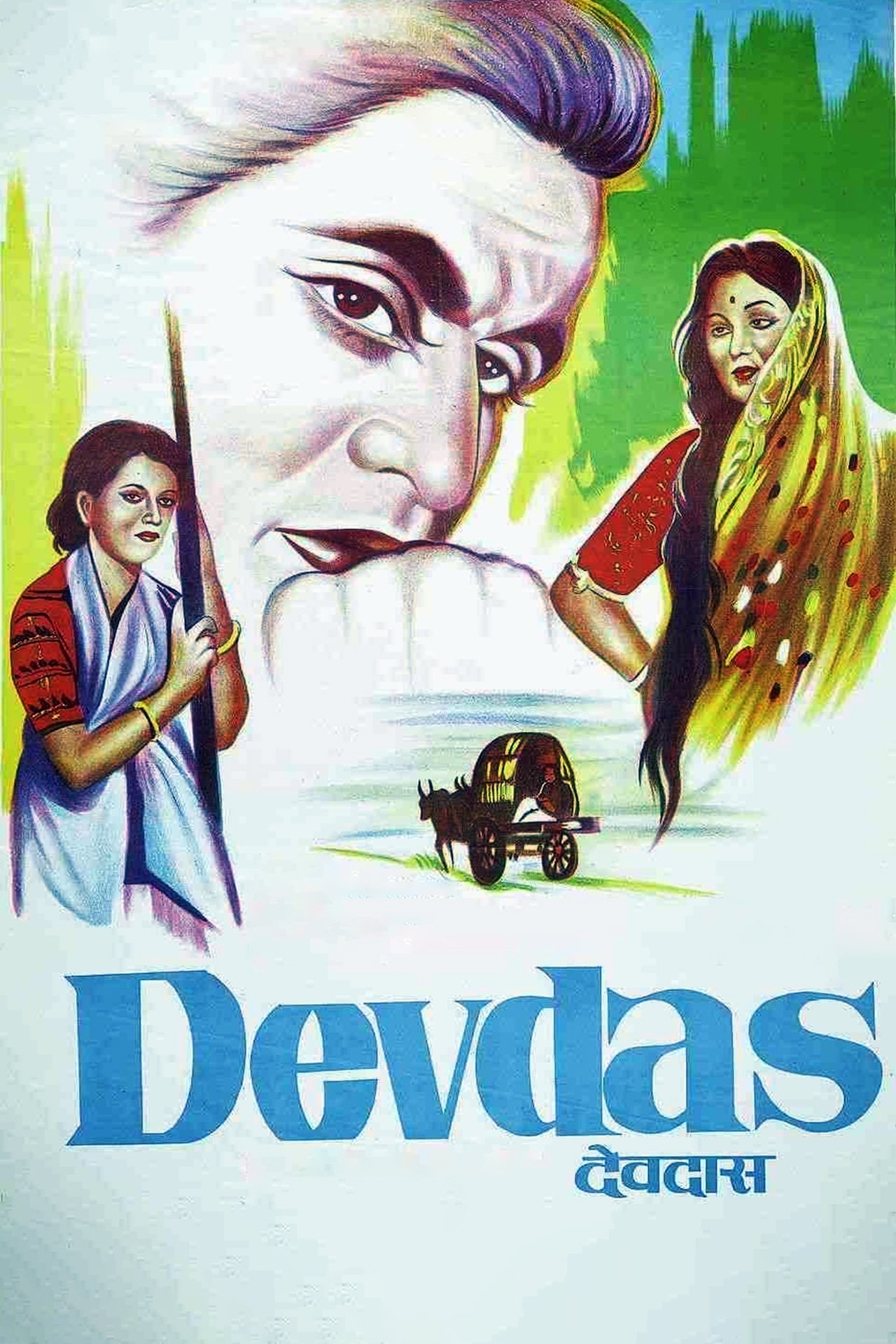 Devdas1955 · as Parvati (Paro)As Paro in the Hindi Devdas opposite Dilip Kumar.
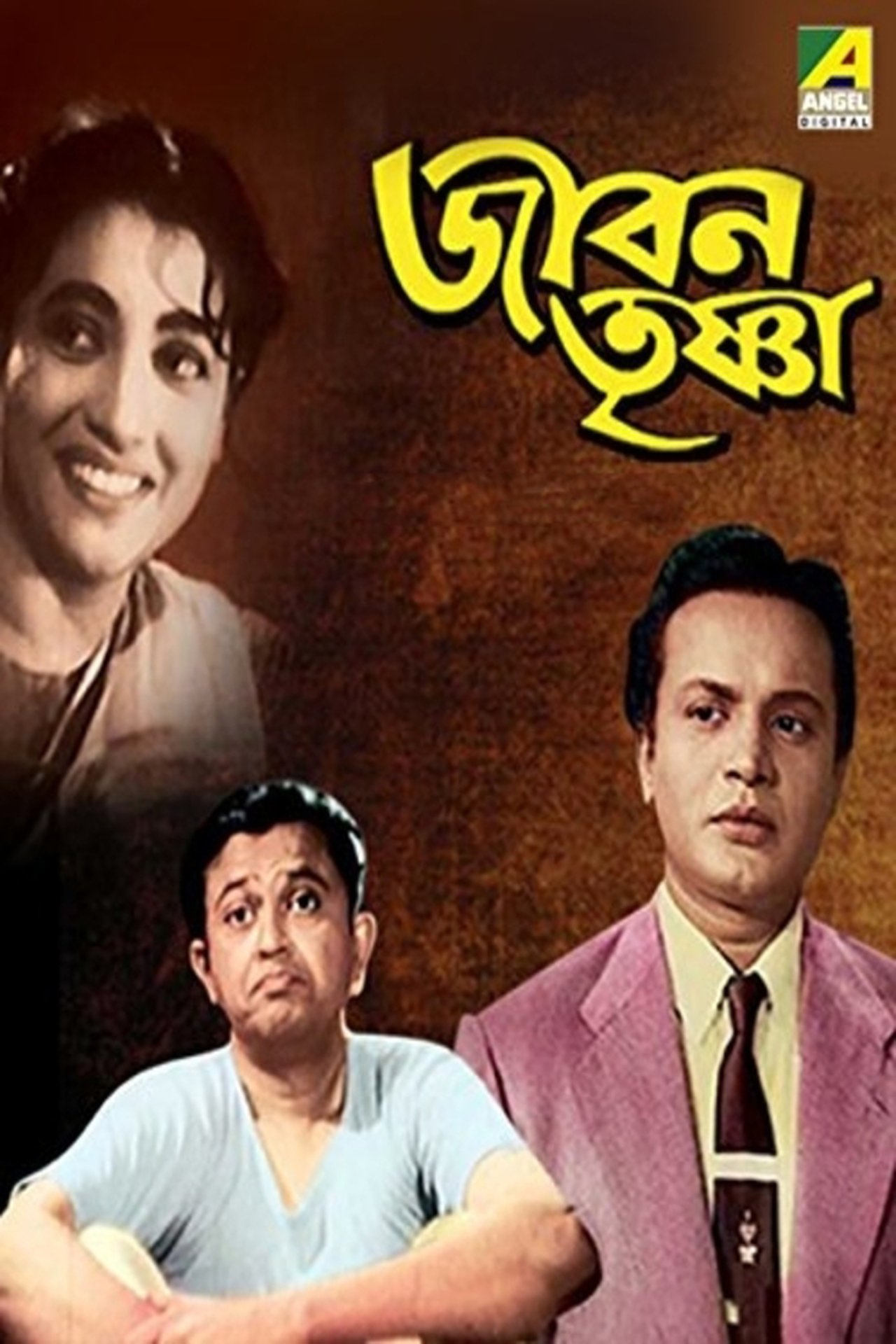 Saptapadi1961 · as Rina BrownOne of the most iconic Uttam-Suchitra romances.
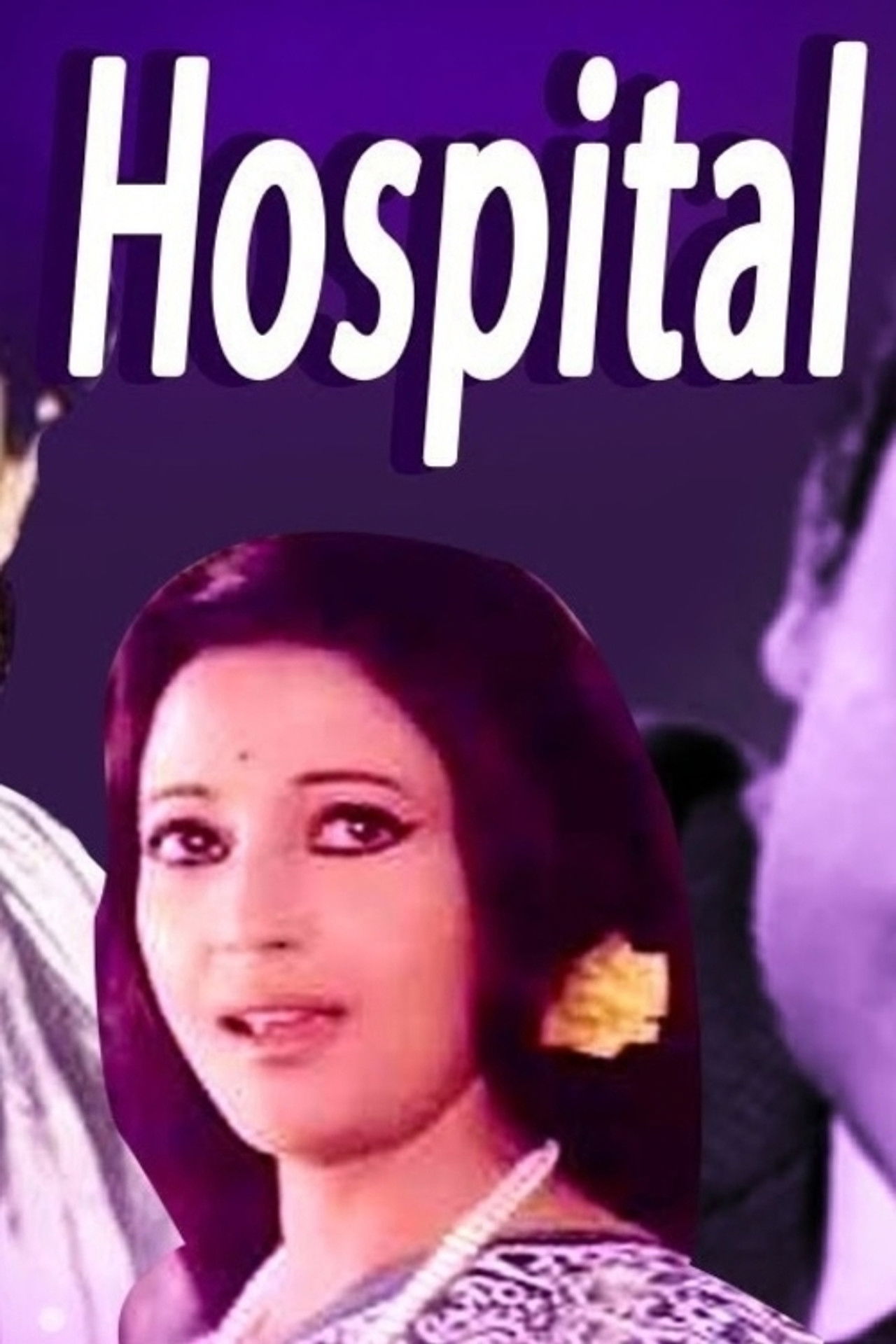 Deep Jwele Jaai1959 · as Radha / SarbariA landmark role as a nurse; later remade in Hindi.
In pictures
Suchitra Sen — frequently asked questions
- Why did Suchitra Sen become a recluse?
- After her last film around 1978, she withdrew from public life in 1979, drawn to the Ramakrishna Mission and spiritual seclusion. She refused to be seen, interviewed or photographed for the rest of her life — some 35 years.
- Did Suchitra Sen refuse the Dadasaheb Phalke Award?
- She is widely reported to have declined the award because accepting it in person would have meant breaking her vow of seclusion — an often-cited example of her extraordinary commitment to privacy.
- Who was Suchitra Sen's most famous screen partner?
- Uttam Kumar. The 'Uttam-Suchitra' pairing is the most celebrated in Bengali cinema, across romances like Harano Sur, Saptapadi and Agni Pariksha.
- What was Suchitra Sen's real name?
- She was born Rama Dasgupta in 1931 in Pabna, in present-day Bangladesh, and took the name Suchitra Sen after entering films.
Sources
This page is an informational tribute drawn from public reporting and interviews. Sensitive or disputed incidents are described as alleged, and the canonical account always rests with the sources above.