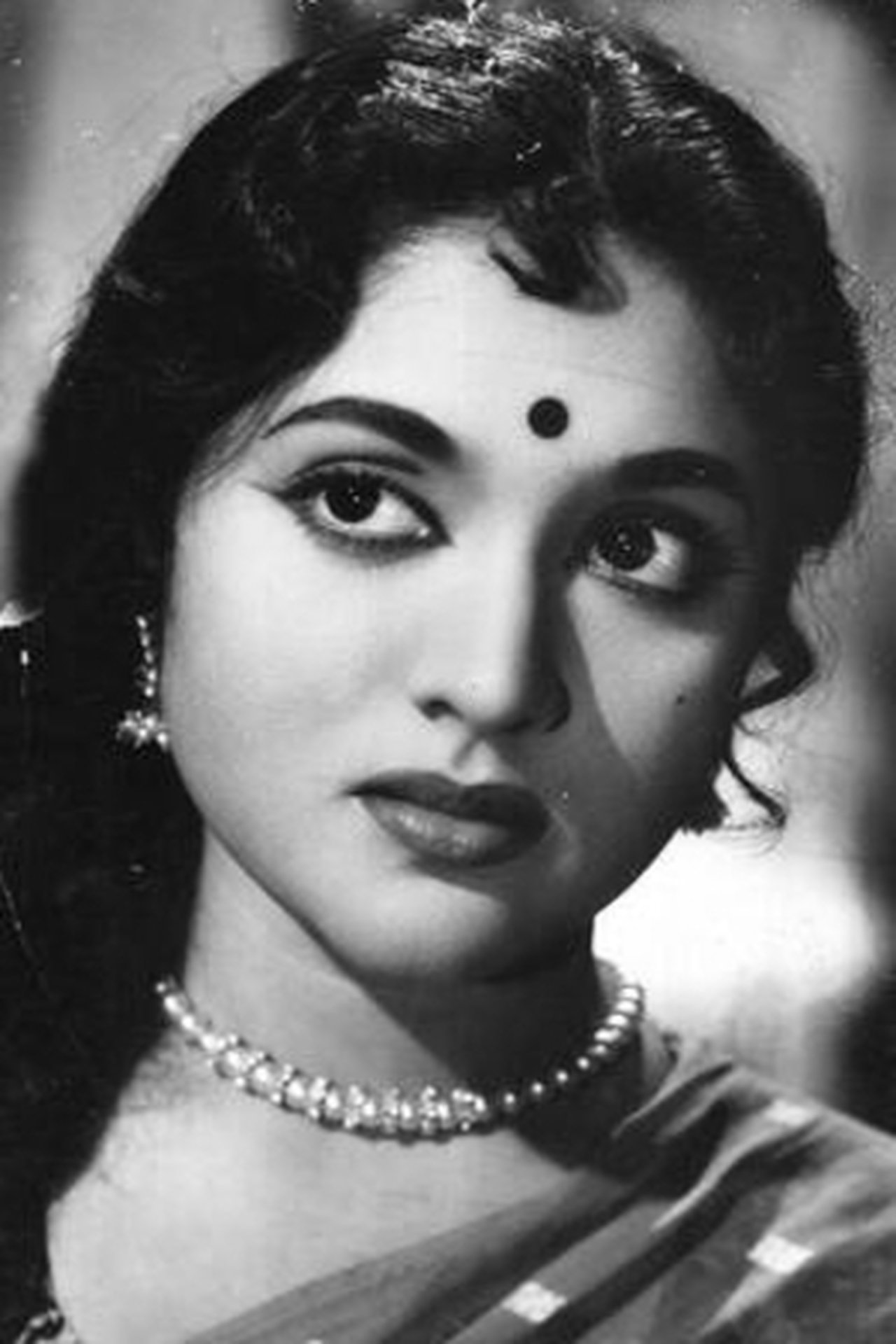
The Untold Story
Vyjayanthimala
Born Vyjayanthimala Bali
Actress · Dancer · Politician · Hindi & Tamil cinema · b. 1933
She was the first person ever to refuse a Filmfare Award — then, at the very peak of her stardom, she quit films altogether and simply never came back.
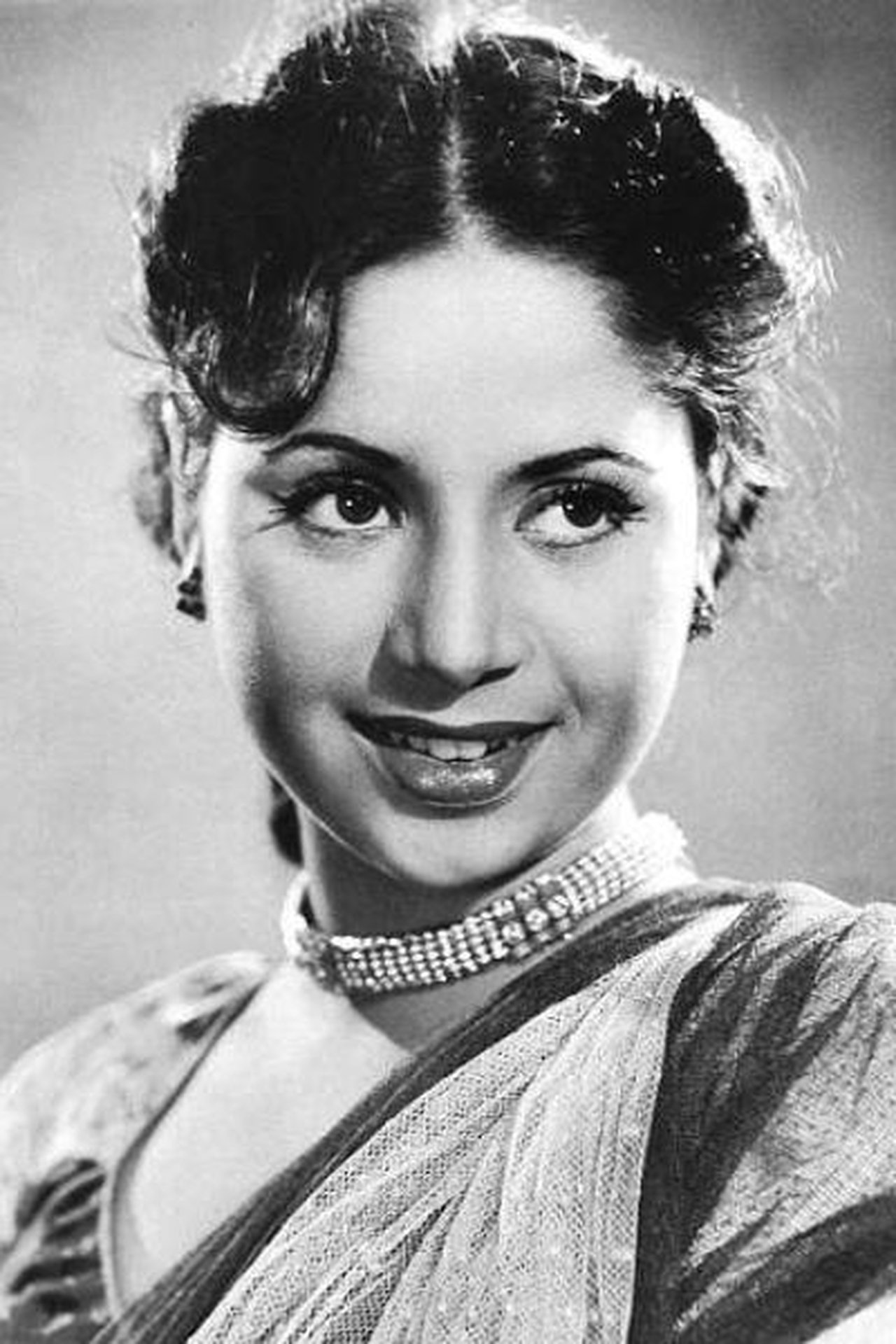
Vyjayanthimala was India's first female superstar of the dance-drama era — a classically trained Bharatanatyam virtuoso who became one of Hindi cinema's biggest and most graceful stars across the 1950s and 60s, from Madhumati to Naya Daur to Sangam. She was also its most independent-minded: she famously became the first person to refuse a Filmfare Award, and then, still reigning at the box office after her 1968 marriage, she walked away from films entirely and never returned to acting. She reinvented herself as a celebrated dancer and, later, a Member of Parliament.
- Bollywood
- 1950s
- Bharatanatyam
- Sangam
- Independent
Watch the 90-second story
- Born
- 13 August 1933 · Madras, British India
- Era
- 1950s–60s · Hindi & Tamil cinema
- Known for
- Actress, Dancer, Politician
The dancer who conquered cinema
Born in Madras in 1933 and raised largely by her grandmother, Vyjayanthimala was a prodigious Bharatanatyam dancer from childhood, performing publicly while still very young. That classical grounding would set her apart from every star of her generation.
She entered Tamil films as a teenager and crossed to Hindi cinema with Bahar, but it was her dance-driven roles that made her a phenomenon. In an industry that prized song and movement, she brought the real thing: technique, discipline and expressiveness rooted in a serious classical tradition.
The reigning star of an era
Through the 1950s and 60s she was among the biggest stars in the country. Madhumati (1958) was a landmark hit; Naya Daur (1957) paired her memorably with Dilip Kumar; Gunga Jumna (1961) let her play a rustic heroine with earthy power; and Sangam (1964), Raj Kapoor's Technicolor epic, made her a pan-Indian sensation.
She won and was celebrated for a string of performances, and her dance sequences remain some of the most admired ever filmed in India. She could carry a big-budget spectacle and a serious dramatic role with equal command.
The star who said no
Vyjayanthimala's independence was as notable as her talent. When she was offered the Filmfare Award for Best Supporting Actress for Devdas (1955) — for her role as Chandramukhi — she declined it, arguing that hers was a leading role, not a supporting one. In doing so she became the first person ever to refuse a Filmfare Award, a startling act of self-respect in a deferential industry.
It was of a piece with how she carried her whole career: on her own terms, unafraid to challenge the industry's conventions and its hierarchies.
Walking away, and a second life
In 1968 she married Dr. Chamanlal Bali, and — while still one of the top heroines in the country — she chose to leave films almost entirely, all but ending her acting career at its peak rather than fading slowly from it.
She did not disappear, though. She returned fully to Bharatanatyam, performing and teaching for decades and becoming one of its most respected figures, and later entered public life as a Member of Parliament in both houses. The star who refused an award and quit at her height built an entire second and third life beyond the screen — proof that leaving on your own terms can be its own kind of triumph.
Controversies & scandals
The episodes that defined — and sometimes derailed — the career, laid out with what was alleged, what was proven, and what stayed a rumour.
- Documented1955
The first person to refuse a Filmfare Award
Vyjayanthimala declined the Filmfare Best Supporting Actress award for Devdas, insisting her role as Chandramukhi was a lead — becoming the first person ever to refuse the honour.
Read the full story → - Documented1968
Quitting films at her peak
After her 1968 marriage, Vyjayanthimala left acting almost entirely while still one of the industry's top stars, rather than winding down gradually — a rare choice that surprised the industry.
Read the full story →
Life & career timeline
- Born in MadrasA child prodigy in Bharatanatyam dance.
- 1949Film debutEnters Tamil cinema as a teenager with Vaazhkai.
- 1955Devdas & the refused awardDeclines the Filmfare Best Supporting Actress award for Devdas.
- 1957Naya DaurA landmark hit opposite Dilip Kumar.
- 1958MadhumatiOne of the biggest successes of the decade.
- 1961Gunga JumnaA powerful rustic role in the Dilip Kumar classic.
- 1964SangamRaj Kapoor's Technicolor epic makes her a pan-Indian sensation.
- 1968Marriage and retirementMarries Dr. Chamanlal Bali and leaves films at her peak.
Essential Vyjayanthimala films
The roles that defined the career — tap through for where to stream each in India.
 Sangam1964 · as RadhaRaj Kapoor's Technicolor epic; a pan-Indian blockbuster.
 Madhumati1958 · as Madhumati / Madhavi / RadhaBimal Roy's landmark reincarnation drama.
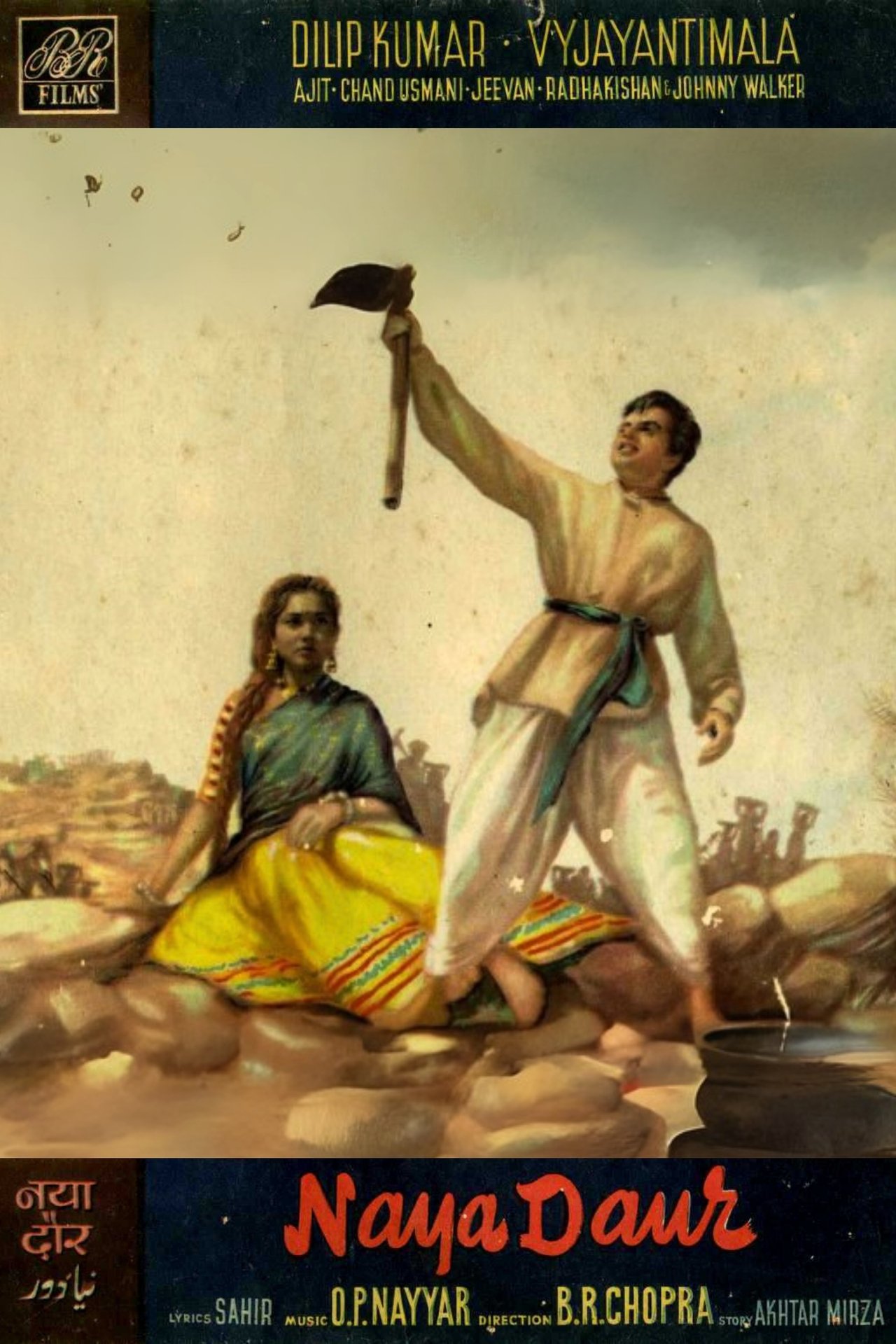 Naya Daur1957 · as RajniA celebrated hit opposite Dilip Kumar.
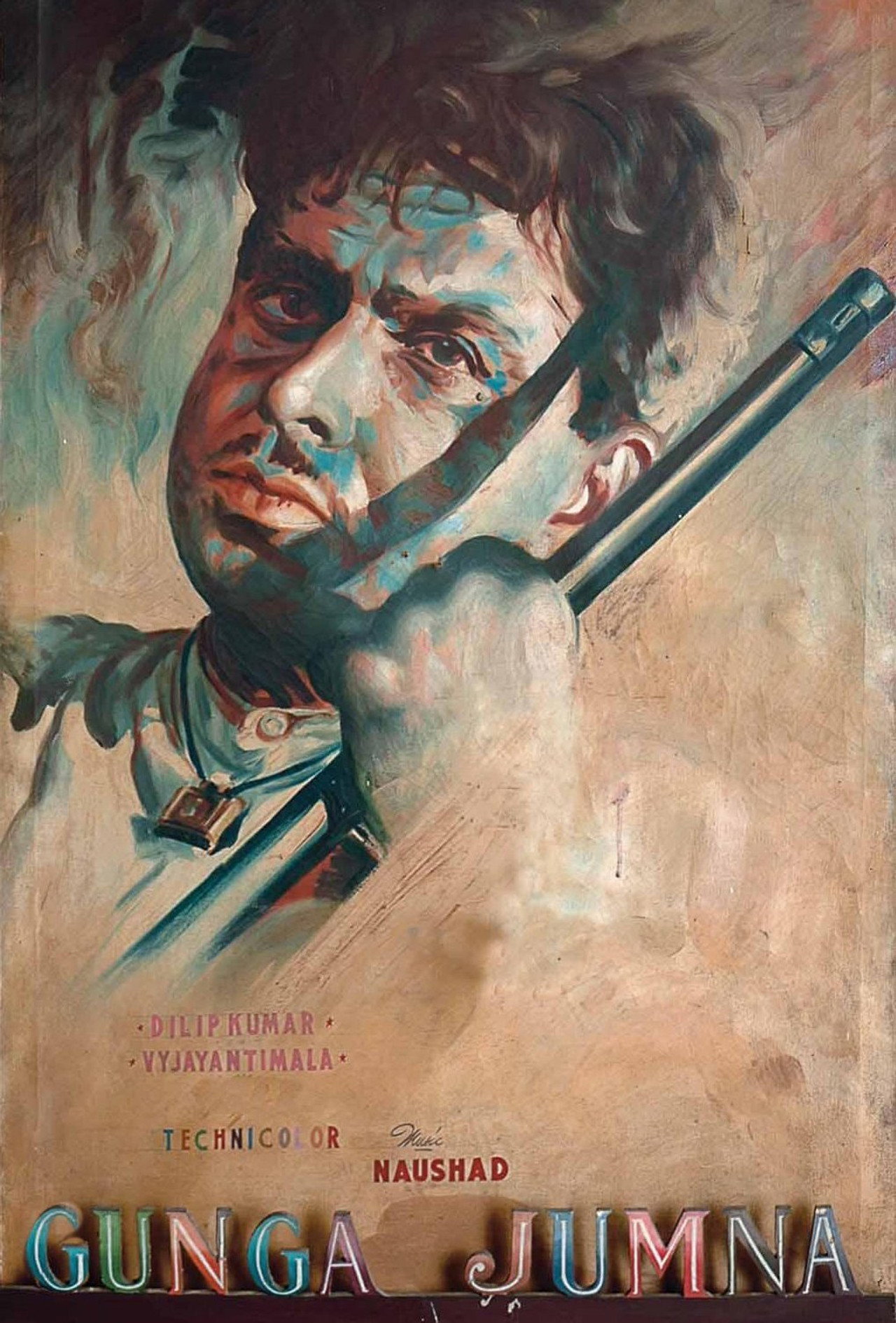 Gunga Jumna1961 · as DhannoA powerful rustic heroine in the Dilip Kumar classic.
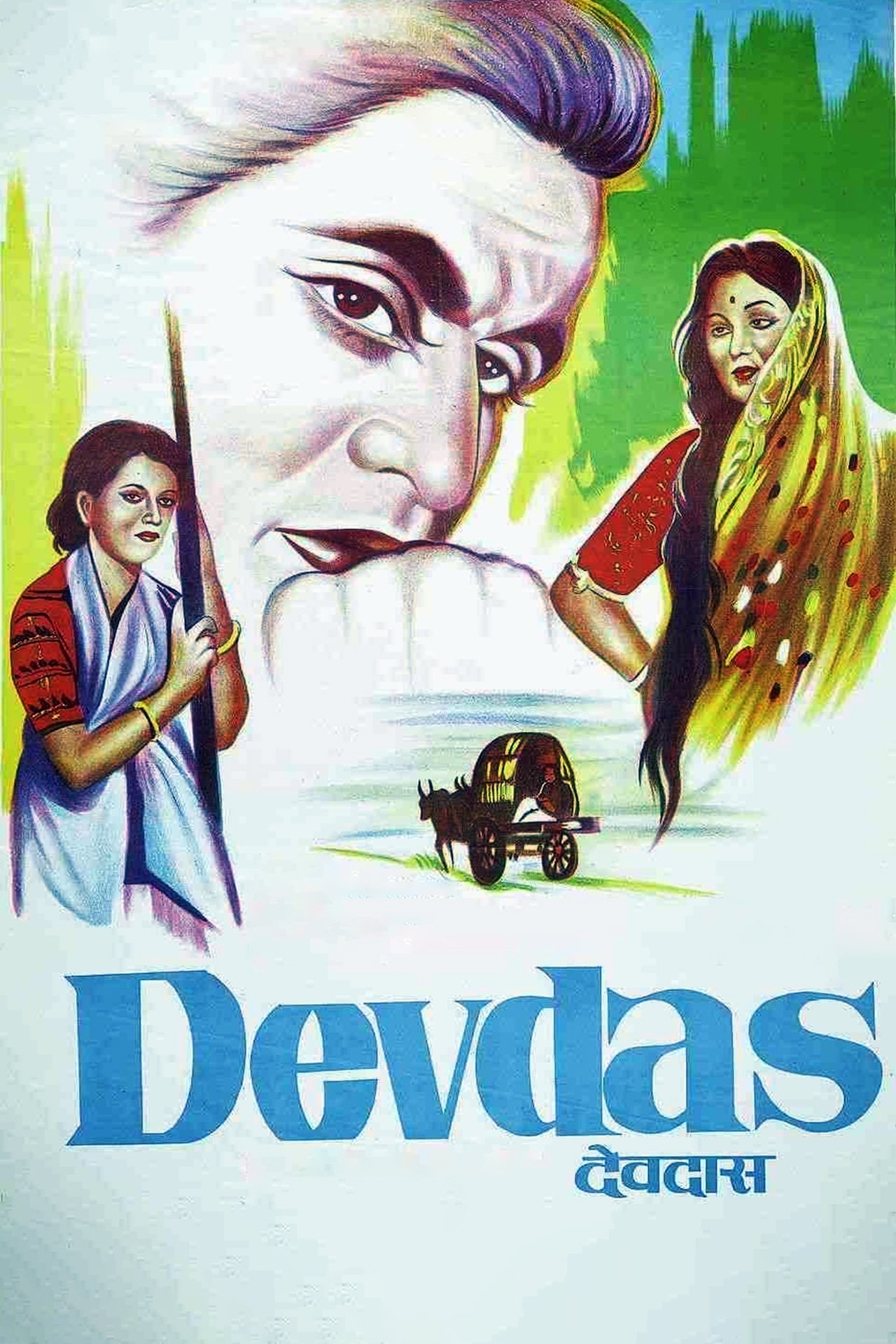 Devdas1955 · as ChandramukhiThe role whose Filmfare Award she famously refused.
 Vaazhkai1949 · as MohanaHer Tamil debut as a teenager.
In pictures
Vyjayanthimala — frequently asked questions
- Why did Vyjayanthimala refuse a Filmfare Award?
- She declined the Best Supporting Actress award for Devdas (1955), arguing her role as Chandramukhi was a leading part, not a supporting one — making her the first person ever to refuse a Filmfare Award.
- Why did Vyjayanthimala quit films?
- After marrying Dr. Chamanlal Bali in 1968, she left acting almost entirely while still one of the industry's top stars, choosing to exit at her peak and devote herself to classical dance.
- What did Vyjayanthimala do after films?
- She returned fully to Bharatanatyam as a leading performer and teacher, and later entered politics, serving as a Member of Parliament in both houses.
- What are Vyjayanthimala's most famous films?
- Madhumati (1958), Naya Daur (1957), Gunga Jumna (1961) and Sangam (1964) are among her biggest and most acclaimed, along with her turn as Chandramukhi in Devdas (1955).
Sources
This page is an informational tribute drawn from public reporting and interviews. Sensitive or disputed incidents are described as alleged, and the canonical account always rests with the sources above.